



No More Failed Transfers? How CBN’s New Rules Could Change Banking in Nigeria

- June 2, 2026
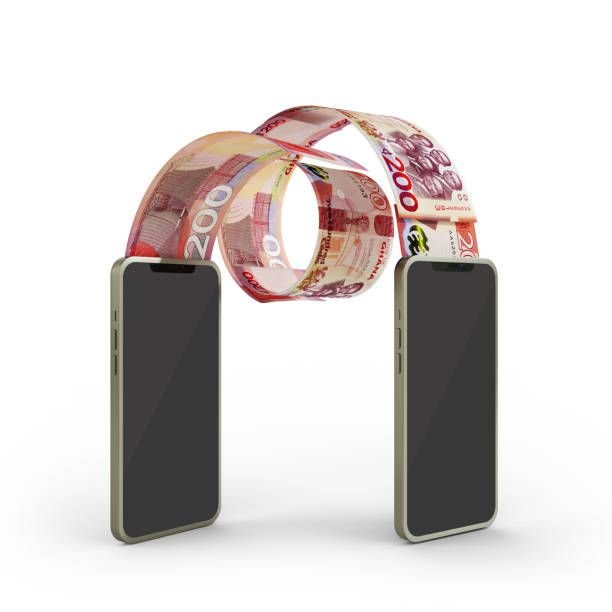
If you’ve ever sent money and watched it disappear without reaching the recipient, you’re not alone. Failed transfers, delayed reversals, network issues, and unexplained debits have become part of everyday banking frustrations for many Nigerians. Whether you’re paying a customer, sending money to family, or making a quick purchase, a failed transaction can instantly ruin your day.

Now, the Central Bank of Nigeria, CBN, is introducing new measures aimed at making digital payments faster, safer, and more reliable.
• The CBN has introduced new rules to reduce failed transfers and banking delays.
• The reforms aim to make digital payments faster, safer, and more reliable.
• Nigeria is targeting 95% financial inclusion by 2028.
• About 50 million more Nigerians could gain access to formal financial services.
• More QR payment points and stronger fraud protection are planned.
• The goal is a smoother, safer, and more cashless banking experience for Nigerians.
Why the New Rules Matter
Nigeria has become one of Africa’s largest digital payment markets. Millions of transactions are completed daily through bank apps, USSD codes, POS terminals, and fintech platforms.
As digital payments continue to grow, so have complaints about failed transactions, fraud, and delayed refunds. The CBN says its latest reforms are designed to improve customer confidence and strengthen the country’s payment ecosystem.
The latest reforms are also tied to the Central Bank of Nigeria’s newly launched Payment System Vision 2028, a long-term roadmap designed to transform how Nigerians send, receive, save, and spend money.
According to CBN Governor Olayemi Cardoso, the vision aims to increase financial inclusion to 95 percent of Nigeria’s adult population by 2028. If achieved, it could bring an estimated 50 million additional Nigerians into the formal financial system, including market women, farmers, small business owners, and young people who currently lack access to banking services.
The initiative seeks to ensure that more Nigerians can own bank accounts or digital wallets protected by their Bank Verification Number, BVN, while enjoying easier access to financial services.
ALSO READ:
WHO Raises Concern As Ebola Cases Increase In DRC And Uganda
23 million Kids, only 3 million Move Forward… Nigeria’s New Student ID Might Finally Explain Why
8 Creative Solutions to Nigeria’s Naira Crisis
What Could Change for Nigerians?
One of the biggest changes focuses on reducing transaction failures. POS terminals are expected to become more reliable through improved network connectivity. This means fewer situations where customers are debited without merchants receiving payment.
Banks and payment providers are also being directed to improve fraud monitoring systems and respond more quickly to suspicious transactions.
Customers may also benefit from faster refunds and reversals when transactions fail.
Stronger Security Measures
The new framework places greater emphasis on account security.
Financial institutions will be required to introduce stricter authentication processes, especially when customers attempt to access banking services from new devices. Additional verification measures are expected to reduce cases of identity theft, account takeovers, and unauthorized transactions.
For customers, this may mean a few extra security checks, but it could also mean better protection for their money.
Beyond reducing failed transfers and improving security, the CBN’s ambitions stretch much further. Under the Payment System Vision 2028, the apex bank plans to reduce the amount of cash circulating outside the banking system to below 40 percent of total currency in circulation. The strategy also includes deploying more than 10 million QR code and tap to pay acceptance points across markets, transport hubs, rural communities, and commercial centres nationwide.
The CBN is also targeting a dramatic reduction in fraud losses through the use of artificial intelligence, advanced identity verification systems, and stronger transaction monitoring tools.
Nigeria’s payment infrastructure is already among the fastest in Africa. According to the Nigeria Inter Bank Settlement System, NIBSS, millions of instant transactions are processed daily, with many completed in less than 10 seconds. The new vision aims to make transactions even faster, safer, and more reliable over the coming years.
The Bigger Picture
The CBN’s goal is not just to reduce failed transfers. The broader objective is to build trust in Nigeria’s digital economy by making electronic payments safer, faster, and more dependable.
If successfully implemented, the reforms could encourage more Nigerians to embrace cashless transactions and reduce the frustrations that have long plagued digital banking.
Another important issue raised during the launch was the cost of digital transactions. NIBSS Chief Executive Officer, Premier Oiwoh, noted that transfer charges and mobile data costs remain barriers for some Nigerians who want to embrace digital payments.
As the country pushes toward a more cashless economy, industry stakeholders are calling for lower transaction costs to encourage wider adoption of electronic payments, especially among low income earners and small businesses.
The success of the Payment System Vision 2028 will ultimately depend on implementation. While the roadmap presents an ambitious future for digital banking in Nigeria, many Nigerians will judge its success by one simple measure: whether transfers become faster, safer, and more dependable in everyday life.
Final Thoughts
Failed transfers have become one of the most common complaints among Nigerian bank customers. While the success of these reforms will depend on how effectively banks and payment providers implement them, the CBN’s latest moves signal a serious attempt to improve the digital payment experience.
For millions of Nigerians, the hope is simple: fewer failed transactions, faster refunds, and greater confidence every time they press the send button.
MORE ARTICLES:
What Can We Learn from Billionaire Rasaq Okoya?
What Are the Most Popular African Languages?
How Updated Are You on Nigeria’s Gist Today?
5 Most Googled Questions in Nigeria This Year

Desauce Magazine is more than a blog, it is a cultural journal capturing the rhythm of Nigeria. From music and film to lifestyle and social issues, we tell stories that reflect the energy, struggles, and brilliance of our people.