



Ayra Starr’s Starr Girl: The Album That Finally Shows Us Who She Is Becoming

- August 19, 2026
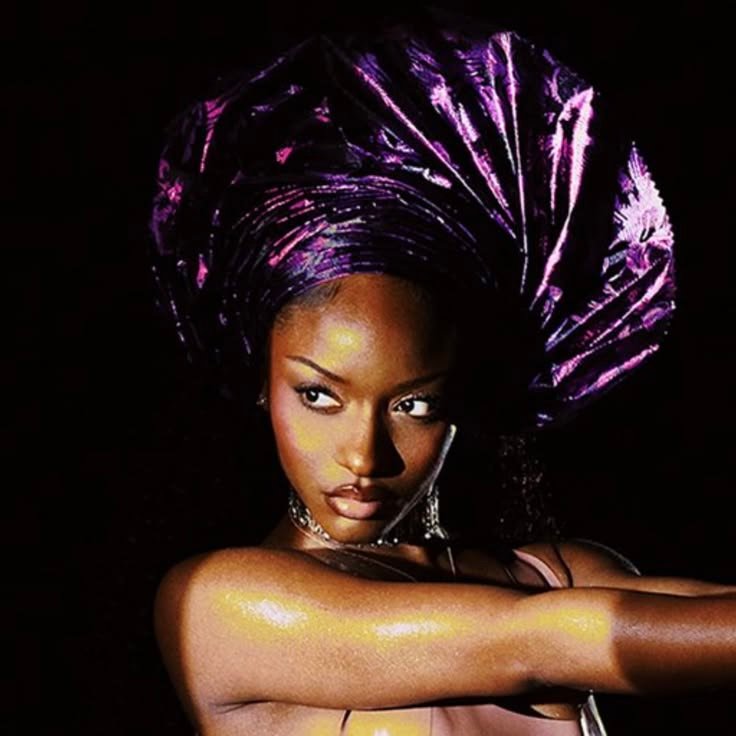 Ayra Starr has spent the past few years telling us who she is. On “19 & Dangerous”, she introduced herself with the confidence of an artist who knew she had something special. On “The Year I Turned 21”, she gave listeners a more personal picture of the woman behind the rising star.

Now, with “Ayra Starr Starr Girl”, something feels different.
Her third studio album, released on August 14, 2026, does not feel like another attempt to prove that Ayra Starr belongs in the conversation. It feels more like an artist who has become increasingly comfortable with the conversation happening around her.
Across 16 tracks, “Starr Girl” moves between Afropop, R&B, pop and dance influences, while bringing together an unusually international collection of collaborators, including ZAYN, Wizkid, Rema, Leon Thomas, kwn, Danny Ocean and Theodora.
The result is an album that sounds ambitious without sounding like Ayra Starr is desperately trying to become somebody else.
If anything, “Ayra Starr Starr Girl” is about becoming more of herself. The album is about growth, not reinvention. There is an important difference between reinvention and growth. Reinvention says, “I want to become someone new.” Growth says, “I have discovered more of who I already am.”
ALSO READ;
AYRA STARR’S NEW SOUND: GROWTH OR DISCONNECT?
Ayra Starr “Where Do We Go”, The Afrobeats Song About Situationships
Ayra Starr Set to Drop a New Album in 2026 as Fans Anticipate Her Next Era
That distinction matters when listening to Starr Girl.
Ayra Starr has spoken openly about wanting to make music from her current experiences rather than feeling disconnected from the life she was actually living. In an Apple Music interview, she explained that she wanted her music to reflect her personal growth, including becoming a woman, building businesses and developing a stronger sense of herself.
That perspective gives the album a different emotional foundation. The confidence is still there, the sensuality is still there, the dance records are still there. But there is also a greater willingness to experiment.
During her Teen Vogue Fest appearance, Starr explained that making the album gave her room to experiment with R&B, pop and Afrobeats while embracing the different cultural influences that shaped her. She described the project as an expression of self-acceptance, power and her multifaceted identity.
That is perhaps the clearest way to understand “Starr Girl”.
Ayra Starr is not abandoning the sound that introduced her to millions of listeners. She is showing how much more that sound can become when the artist behind it keeps growing.
There is something interesting about the decision to call the album “Starr Girl”. While it sounds like a name, it also feels like a character. The confident girl, the ambitious girl, the romantic girl, the Nigerian girl, the global pop star. The woman figuring things out while millions of people watch.
All of those versions of Ayra Starr can exist within the same project. Even the official “Starr Girl” merchandise describes the album as a combination of confidence, vulnerability and global pop star energy, while presenting the project as a reflection of Ayra’s evolution. That makes the album title feel less like branding and more like a statement.
Ayra Starr is effectively saying that the girl we have been watching since her breakthrough is still here. She has simply grown. She Sounds More Comfortable with Her Ambition
One of the most noticeable qualities surrounding the album is confidence. But this is not necessarily the same youthful confidence we heard earlier in her career. There is a greater sense of ownership.
The album’s opening track, “Dangerous,” immediately establishes that attitude. OkayAfrica described the record as a confident introduction in which Starr makes it clear who she believes she is and the level of artist she sees herself becoming.
That confidence matters because Ayra Starr is now operating at a completely different level of visibility. She is no longer simply a promising young artist from a Nigerian label. She is an international recording artist with a growing global audience, major collaborations and a sound that increasingly travels beyond the traditional boundaries of Afrobeats.
“Starr Girl” does not hide that ambition. It embraces it.
But Confidence Is Not the Whole Story This is where the album becomes more interesting. If “Starr Girl” were sixteen tracks of confidence, money talk and dancefloor energy, it would eventually become predictable.
Instead, Ayra allows vulnerability into the project.
“Pressure,” featuring Leon Thomas, expands the album’s emotional range, while “Heaven Baby,” featuring ZAYN, moves into a much more intimate R&B and pop space. The ZAYN collaboration is particularly notable because the song strips away much of the rhythmic emphasis associated with Afrobeats and allows the two vocalists to occupy a softer, more atmospheric space. That contrast is important.
One moment, Ayra Starr sounds completely in control. The next, she sounds exposed. That is closer to real adulthood than the carefully packaged idea of a pop star who always knows exactly what she is doing.
And perhaps that is the real evolution happening here. Ayra Starr Is expanding her sound without losing her Nigerian identity There is always a risk when an African artist begins moving deeper into the global pop market.
How far can you experiment before people start asking whether you have lost the sound that made you special? “Starr Girl” appears to answer that question by refusing to choose.
The album stretches across Afropop, R&B, contemporary pop and dance influenced sounds, but its center remains connected to Ayra Starr’s African identity. Current reviews from NME and OkayAfrica have both highlighted the album’s genre range and its ability to expand her musical world without completely abandoning her roots.
That balance may become one of the most important parts of Ayra Starr’s career going forward. Global does not have to mean disconnected from home. It can mean taking home with you. The Collaborations Tell Their Own Story. The guest list on “Starr Girl” is not random.
Wizkid brings another major Nigerian superstar into the picture on “Gimme Dat.” Rema appears on “Who’s Dat Girl,” connecting two of the biggest young names in contemporary Nigerian pop. Leon Thomas brings another dimension to the album’s R&B side. ZAYN introduces an entirely different international pop audience. Theodora, kwn and Danny Ocean further widen the album’s global reach.
That range says something about where Ayra Starr currently sits in the industry. She can collaborate within Nigeria. She can work across Africa. She can enter contemporary R&B spaces. She can work with major international pop artists. And she can still sound like Ayra Starr. That last part is perhaps the most important.
“Heaven Baby” Shows Just How Far She Can Stretch. Among the album’s collaborations, “Heaven Baby” deserves particular attention.
Working with ZAYN could easily have resulted in a song that felt like an obvious attempt at international crossover. Instead, the collaboration leans into intimacy. The production is comparatively restrained, allowing Ayra Starr’s voice and ZAYN’s falsetto to carry much of the emotional weight. The result is a song that sits comfortably closer to R&B and pop than the more rhythm driven side of her catalogue.
It is the kind of record that makes the argument for Ayra Starr’s versatility without requiring her to announce that she is versatile. She simply does it.
There Is Still Plenty of “Ayra Starr” Here For all the experimentation, “Starr Girl” does not sound like an artist running away from her identity. The dance records are still important. The attitude is still there. The sensuality is still there. The melodies still carry the accessibility that helped turn Ayra Starr into one of the most recognizable voices of her generation.
Songs such as “Hot Body,” “Tornado,” “Gimme Dat” and “Who’s Dat Girl” also show how much of the album’s rollout was built around different sides of her personality and sound.
This is why the album works better when viewed as a collection of different versions of Ayra Starr rather than one attempt to define her. She does not have to choose between the confident Ayra and the vulnerable Ayra. Both are real.
The Purple Era Is Part of the Story. Music is no longer just about the songs. For major pop artists, an album is increasingly an entire visual world.
“Starr Girl” has embraced that idea through its purple themed aesthetic, from its campaign imagery to the album’s physical presentation. Ayra Starr’s official store describes the album as capturing her evolution “in full color,” while the vinyl edition is presented with a purple swirl design.
That visual identity matters because Ayra Starr has always understood the relationship between music, fashion and image. The “Starr Girl” era feels like a continuation of that instinct, but on a bigger scale.
The music says growth. The fashion says confidence. The colour says identity. The collaborations say global ambition. Together, they create a much larger picture.
So, Is Ayra Starr Finally Becoming the Artist She Has Been Promising Us? Perhaps that is the real question behind “Starr Girl”. Not whether she has made a hit album. Not whether every song will become a massive single. Not even whether this is her best project yet.
The more interesting question is whether we are watching an artist become fully comfortable with the scale of her own ambition. The answer increasingly appears to be yes.
Ayra Starr has spent the early part of her career proving that she could make hits. Now she seems more interested in proving that she can build a world around them. That is a different challenge. It requires confidence, experimentation and the willingness to disappoint people who want you to remain exactly as they first discovered you. And “Starr Girl” feels like Ayra Starr taking that risk.
The Final Verdict. Ayra Starr Starr Girl is not simply another album in Ayra Starr’s discography. It is a snapshot of an artist in transition.
She is still connected to the Nigerian and African sounds that established her. She is still interested in making records that people can dance to. She is still confident, stylish and unapologetically ambitious.
But she is also allowing herself to be softer. More experimental, more international, more vulnerable and more grown. That is what makes “Starr Girl” interesting.
Ayra Starr does not sound like she is trying to convince us that she has become someone else. She sounds like she finally understands that she does not have to. She can be the girl from Lagos. The artist with global ambitions. The woman discovering new versions of herself. The pop star. The songwriter. The performer. The “Starr Girl.”
And perhaps that is the biggest evolution of all. Ayra Starr is no longer asking the world to discover who she is. She is showing the world who she is becoming.
7 New African Songs & Music Videos You Should Watch This Weekend
Davido Reveals Plans to Go Into Acting and Film Production as He Expands His Entertainment Empire
From TikTok to Streaming Money, How Nigerian Artists Are Rewriting the Rules of Fame
Can Asake’s New Tour Match The Energy Of The Lungu Boy Era? From Record Breaking M$NEY To A New Identity

Desauce Magazine is more than a blog, it is a cultural journal capturing the rhythm of Nigeria. From music and film to lifestyle and social issues, we tell stories that reflect the energy, struggles, and brilliance of our people.