


Rotary Clubs Hit the Streets of Ikeja in Powerful Push to Keep Lagos Polio Free

- October 28, 2026

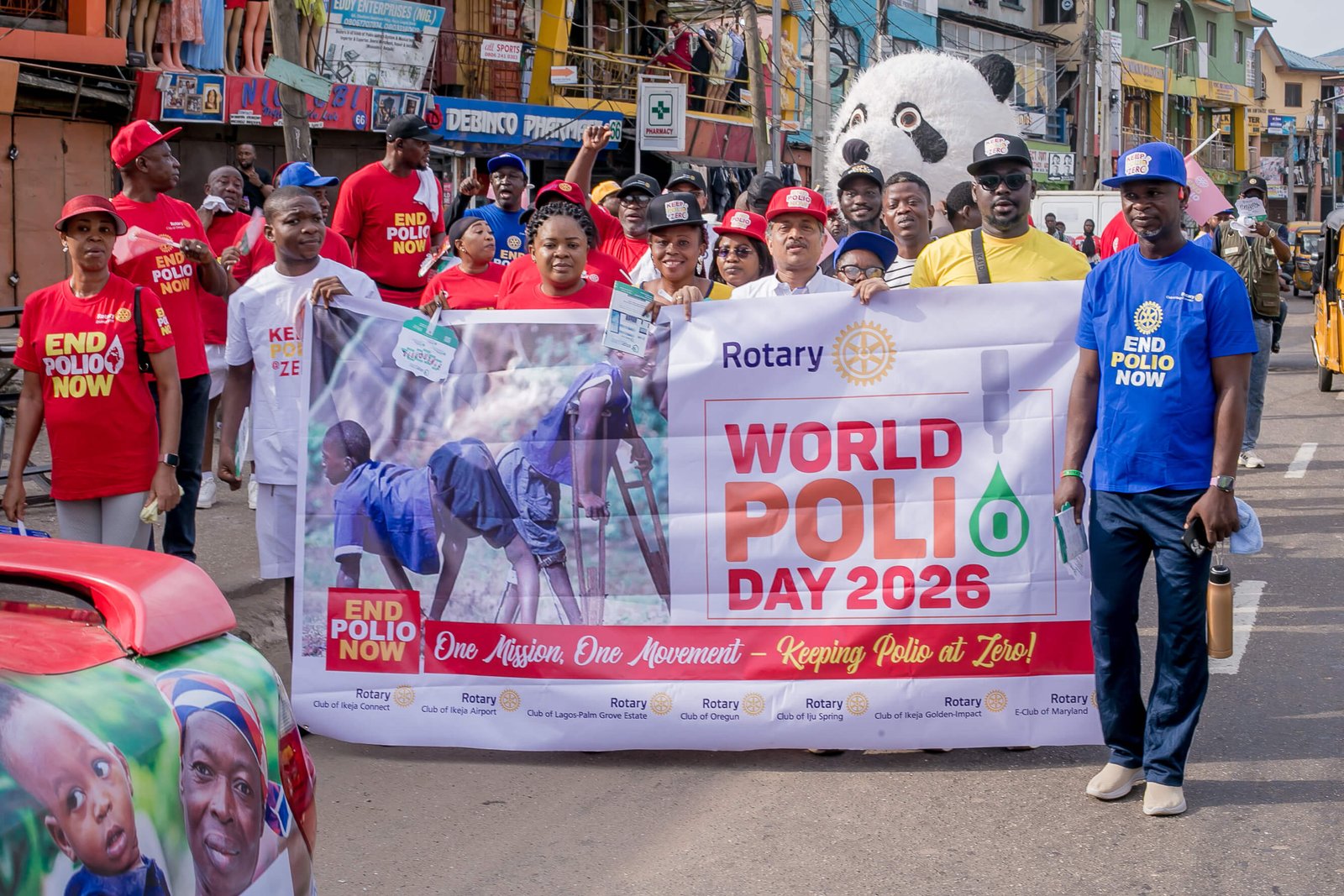
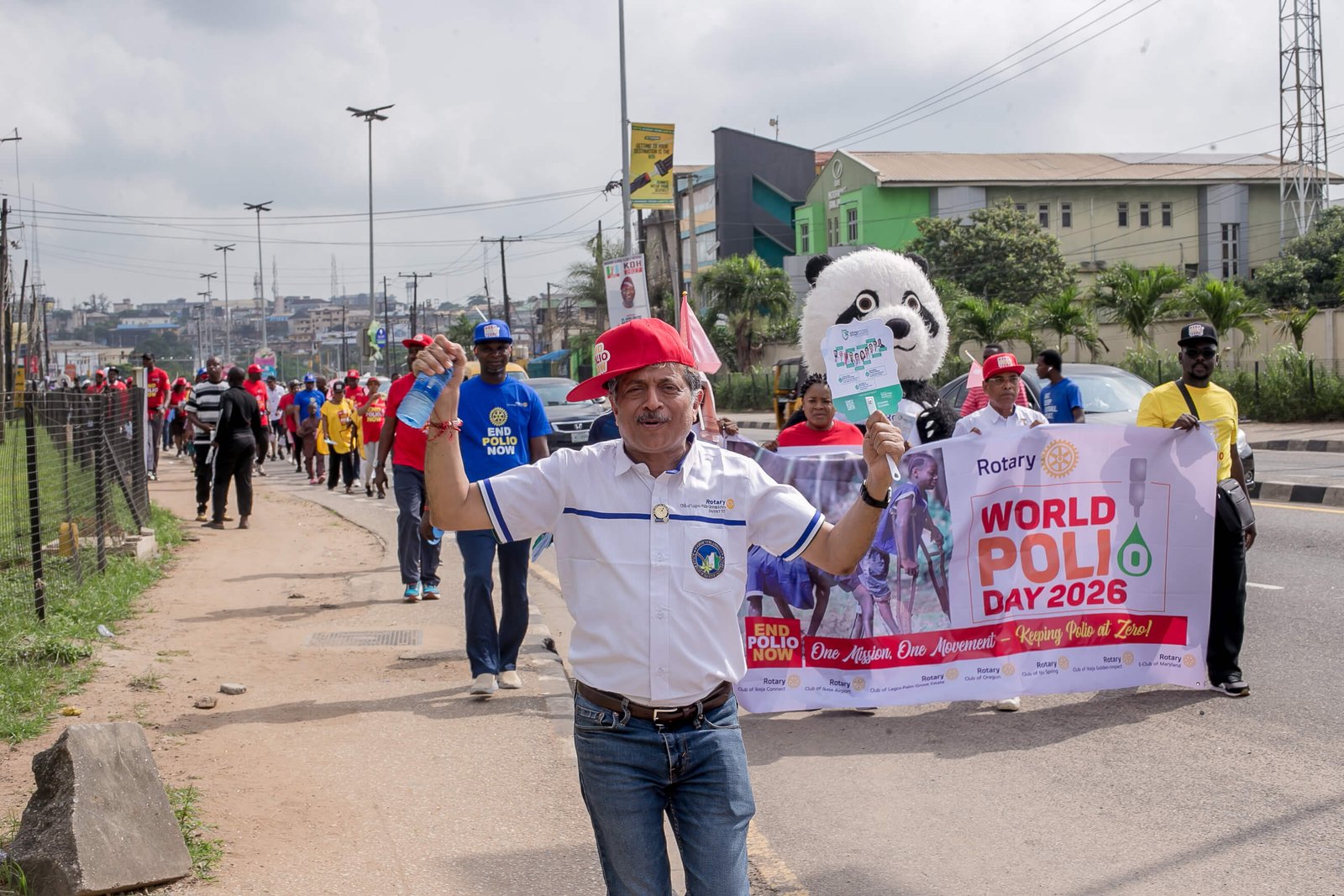
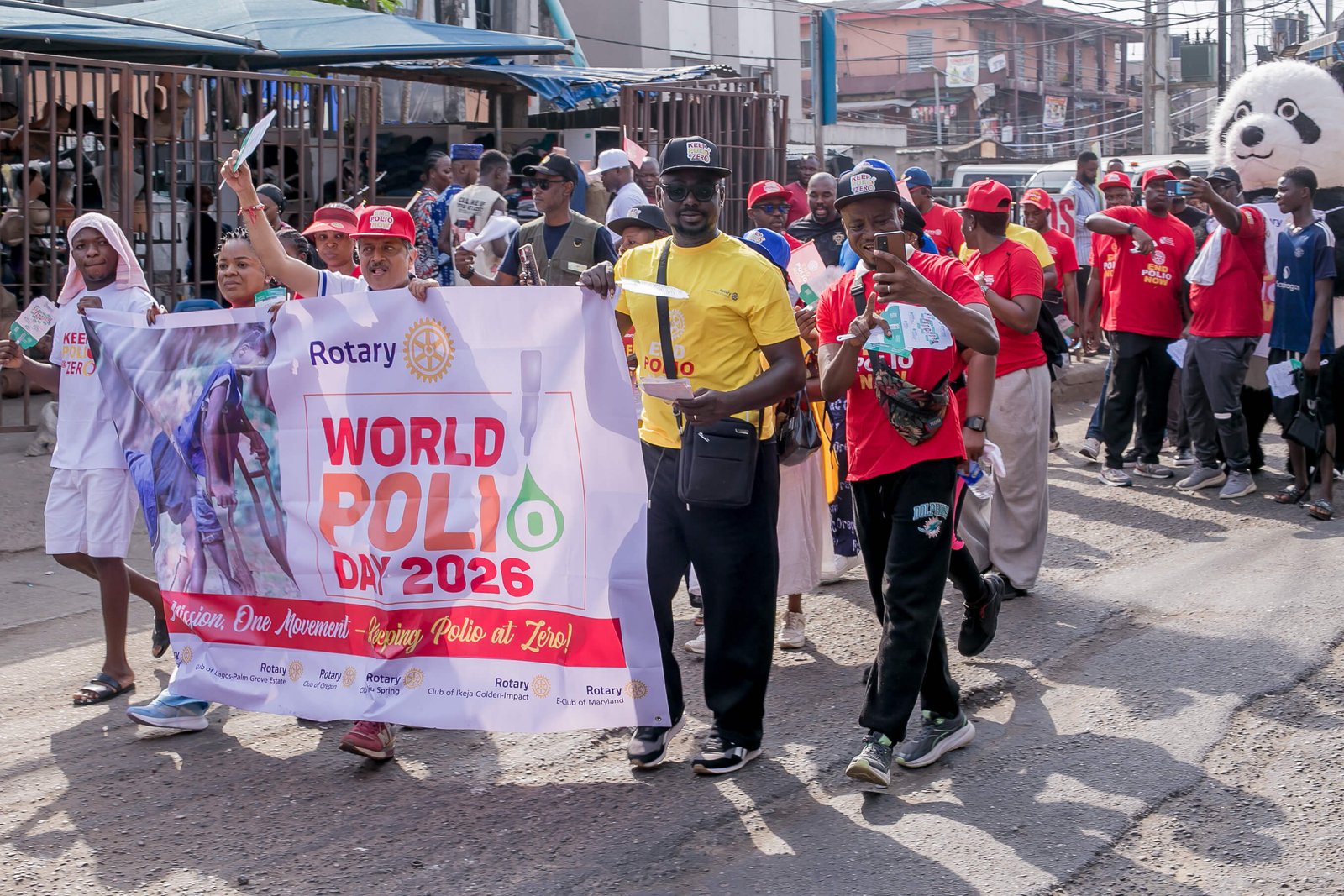
From Airport Hotel through the streets of Ikeja, members of six Rotary clubs took their message directly to the people on Saturday, October 24, 2026. Their mission was clear, protect children, promote immunization and ensure polio remains a disease of the past in Lagos.
Imagine a child who has never had the opportunity to run freely, play football with friends or take those first confident steps without assistance. Now imagine that a simple, safe and effective preventive measure could help protect that child from a disease capable of causing lifelong paralysis.

That is why the fight against polio cannot be left to health authorities alone. It requires communities, parents, healthcare professionals, governments and organizations willing to take the message beyond hospital walls and into the streets where people live and work.
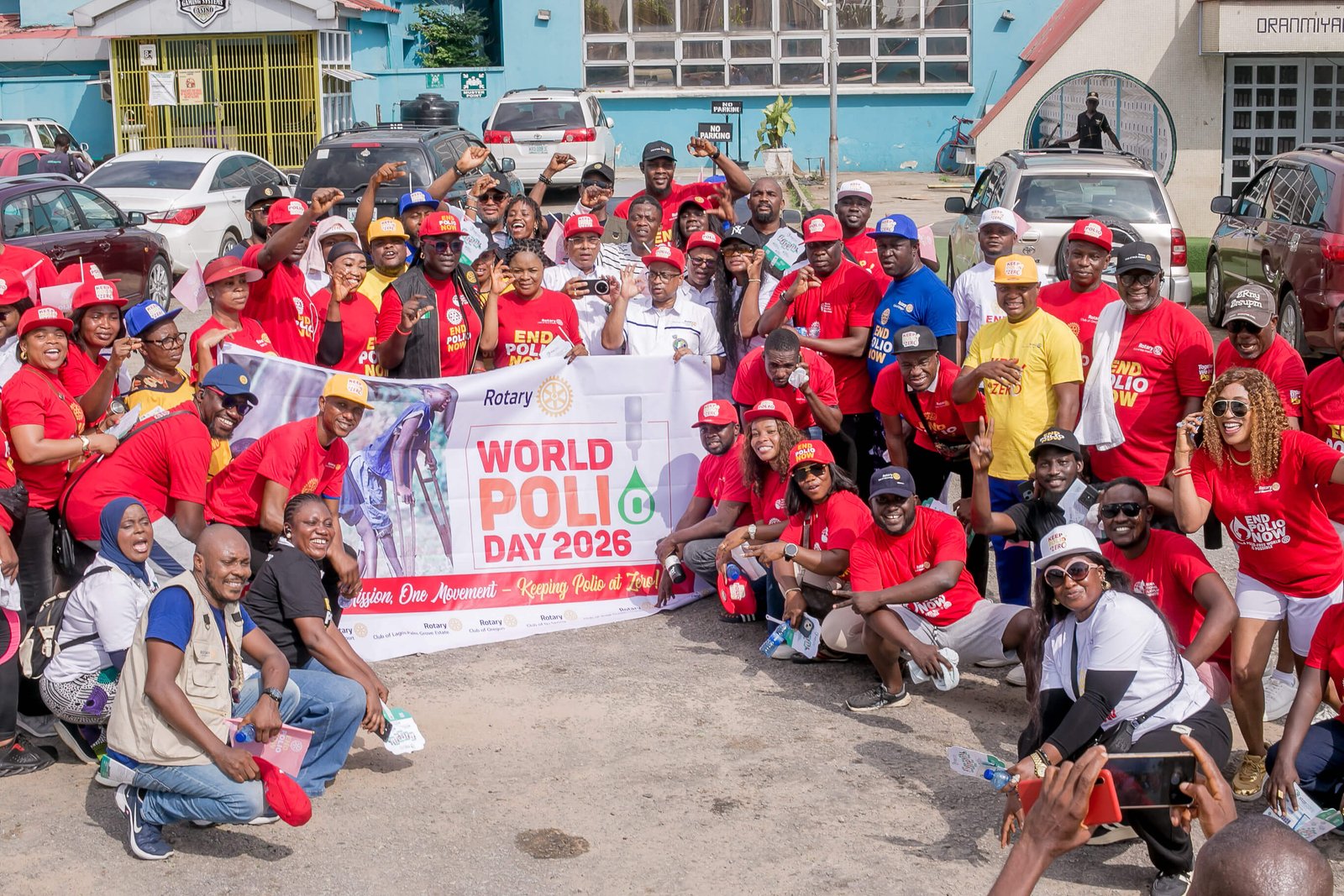
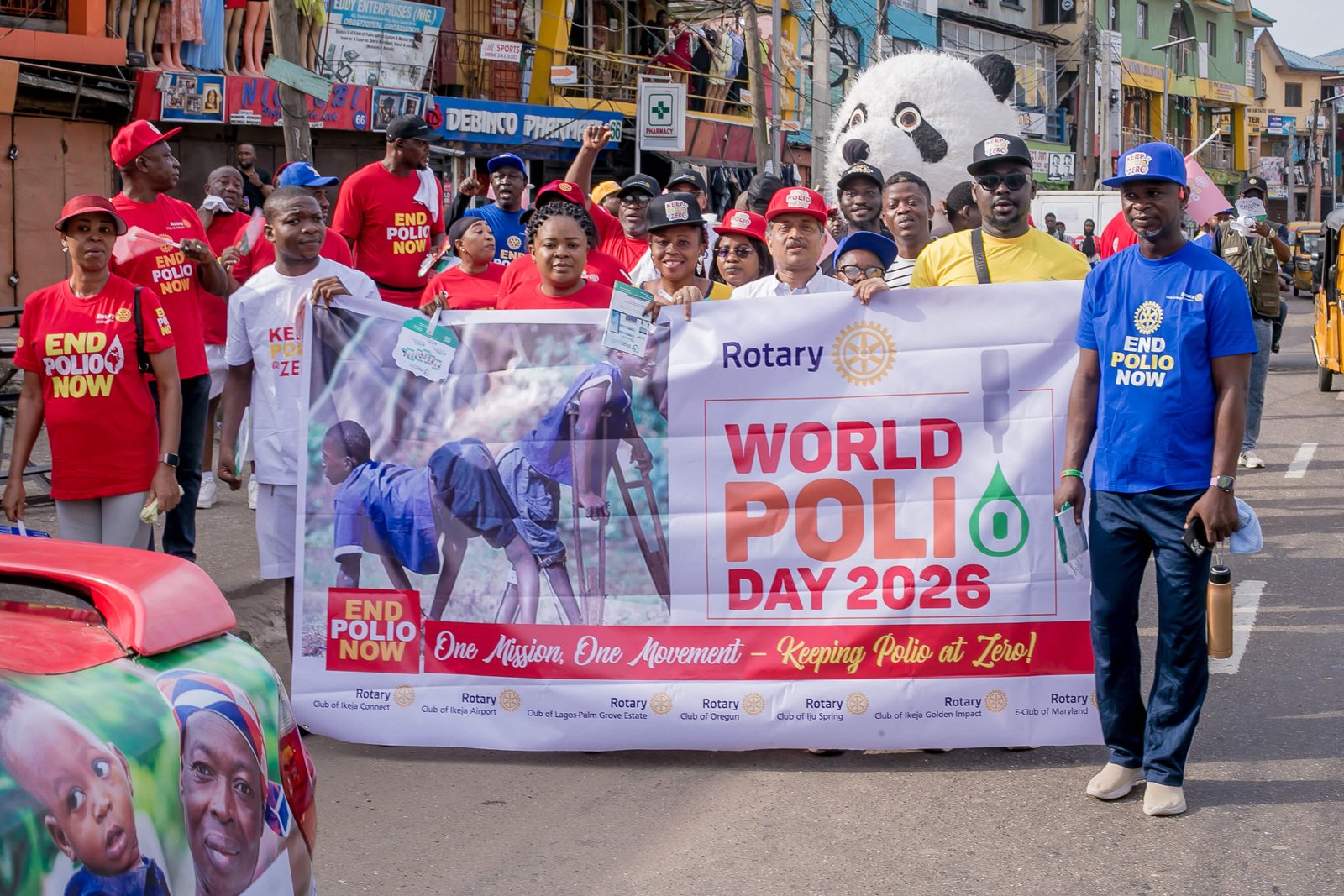
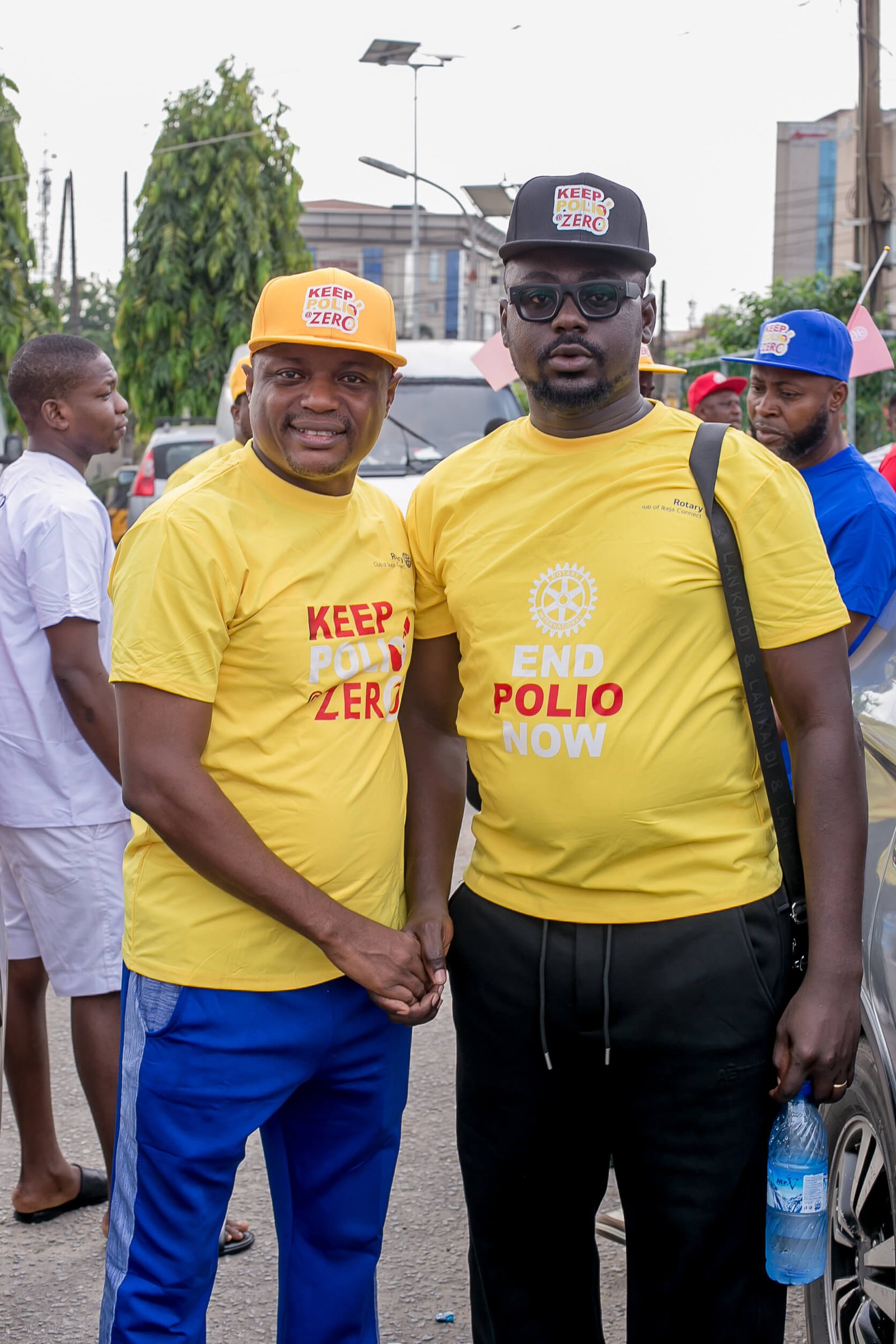
On Saturday, October 24, 2026, the Rotary Club of Ikeja Connect and five collaborating Rotary clubs brought that message directly to the streets of Ikeja, Lagos, as they marked World Polio Day with a public awareness walk aimed at sustaining the fight against the disease.
The campaign brought together the Rotary Club of Ikeja Connect, Rotary Club of Iju Spring, Rotary Club of Palmgrove Estate, Rotary Club of Ikeja Airport, Rotary Club of Ikeja Golden Impact and Rotary Club of Oregun, all working together within their Rotary district.
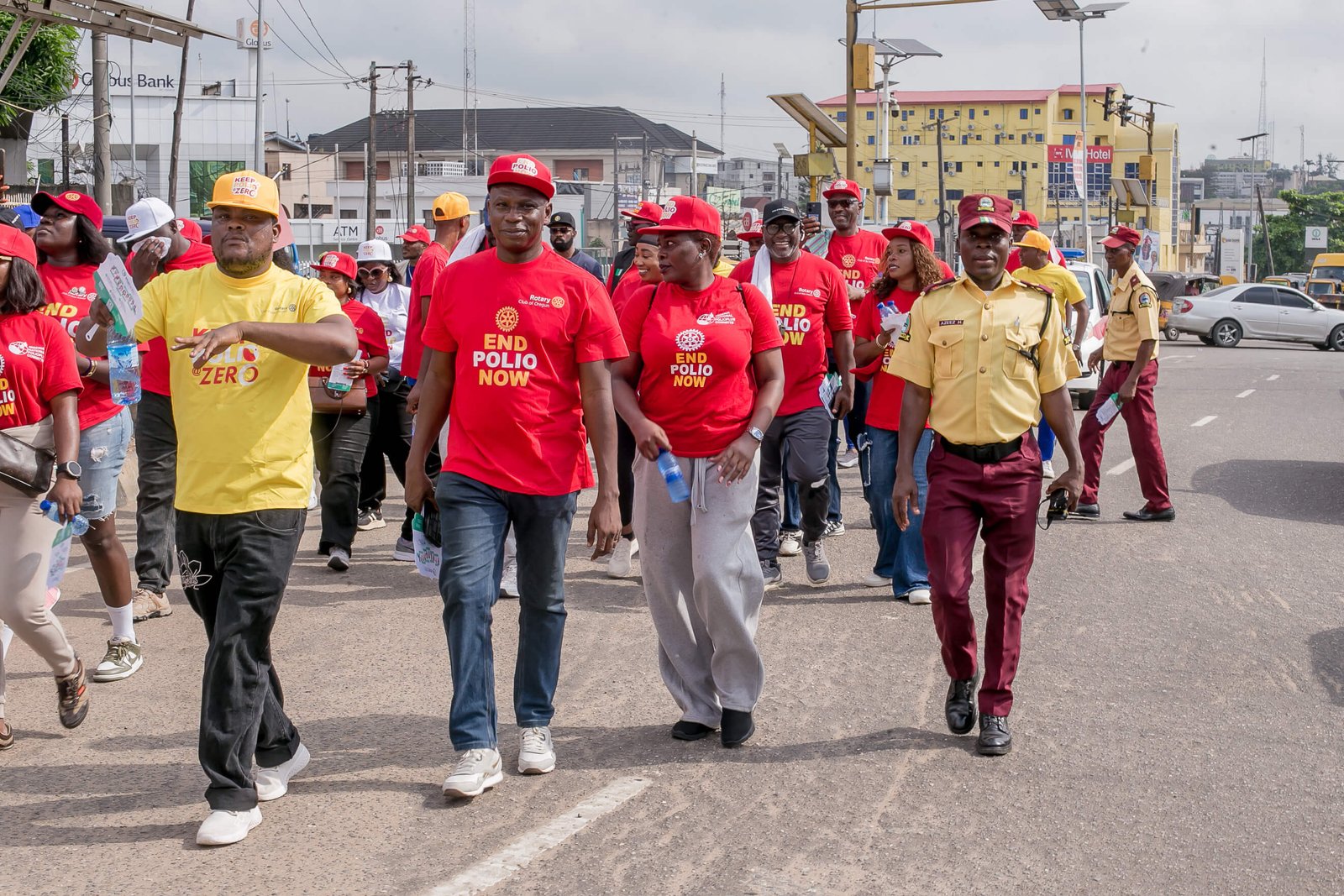
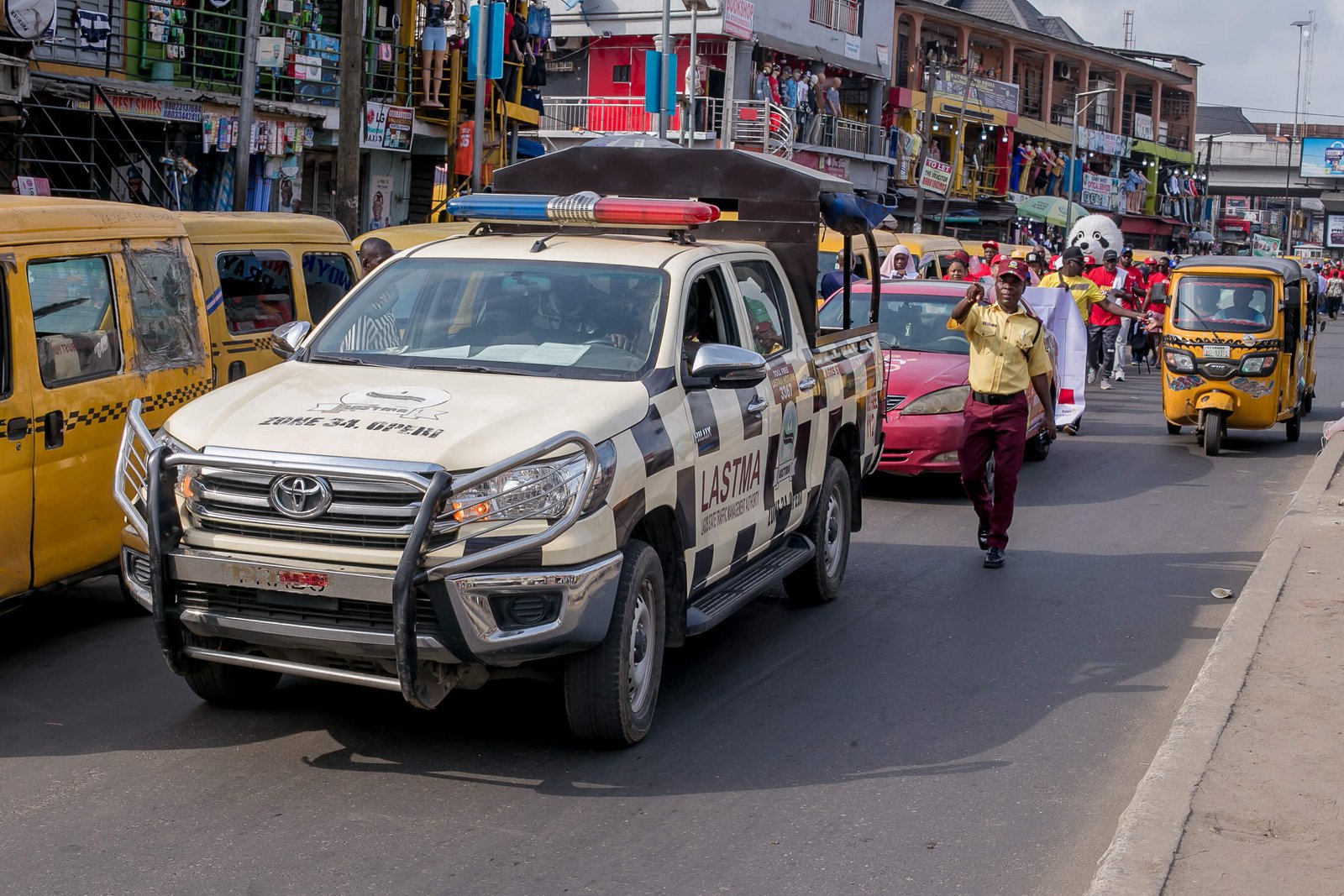
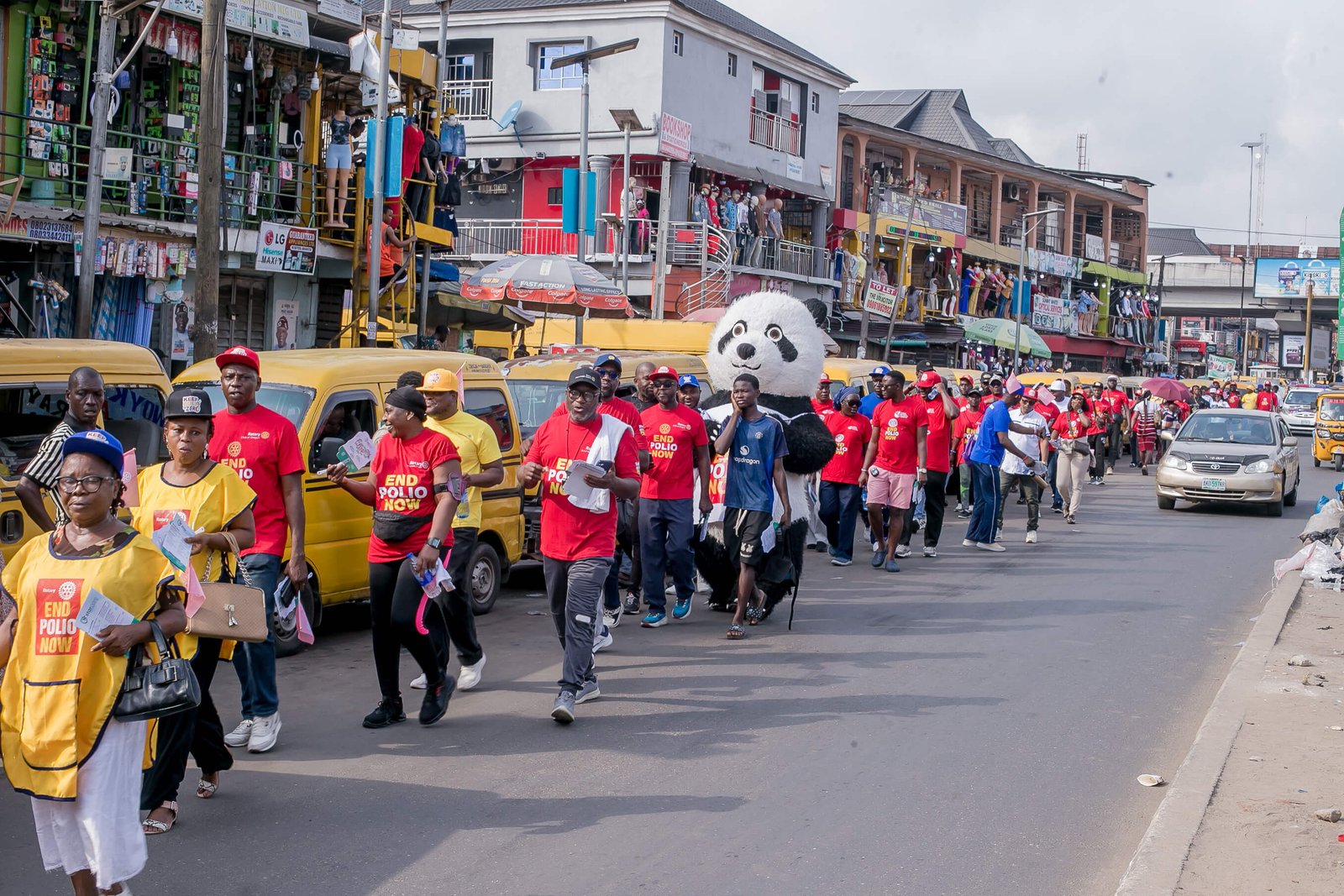
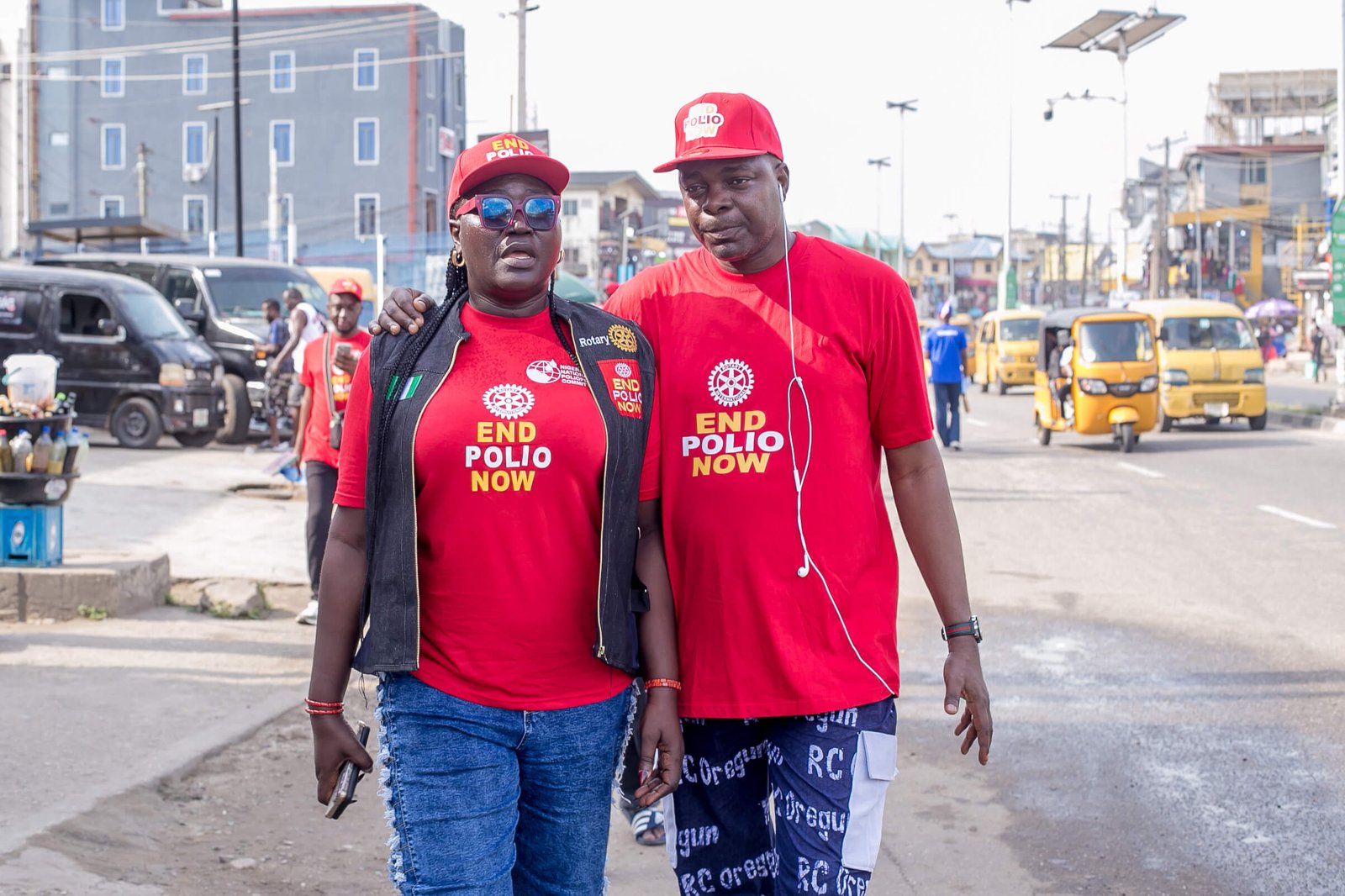
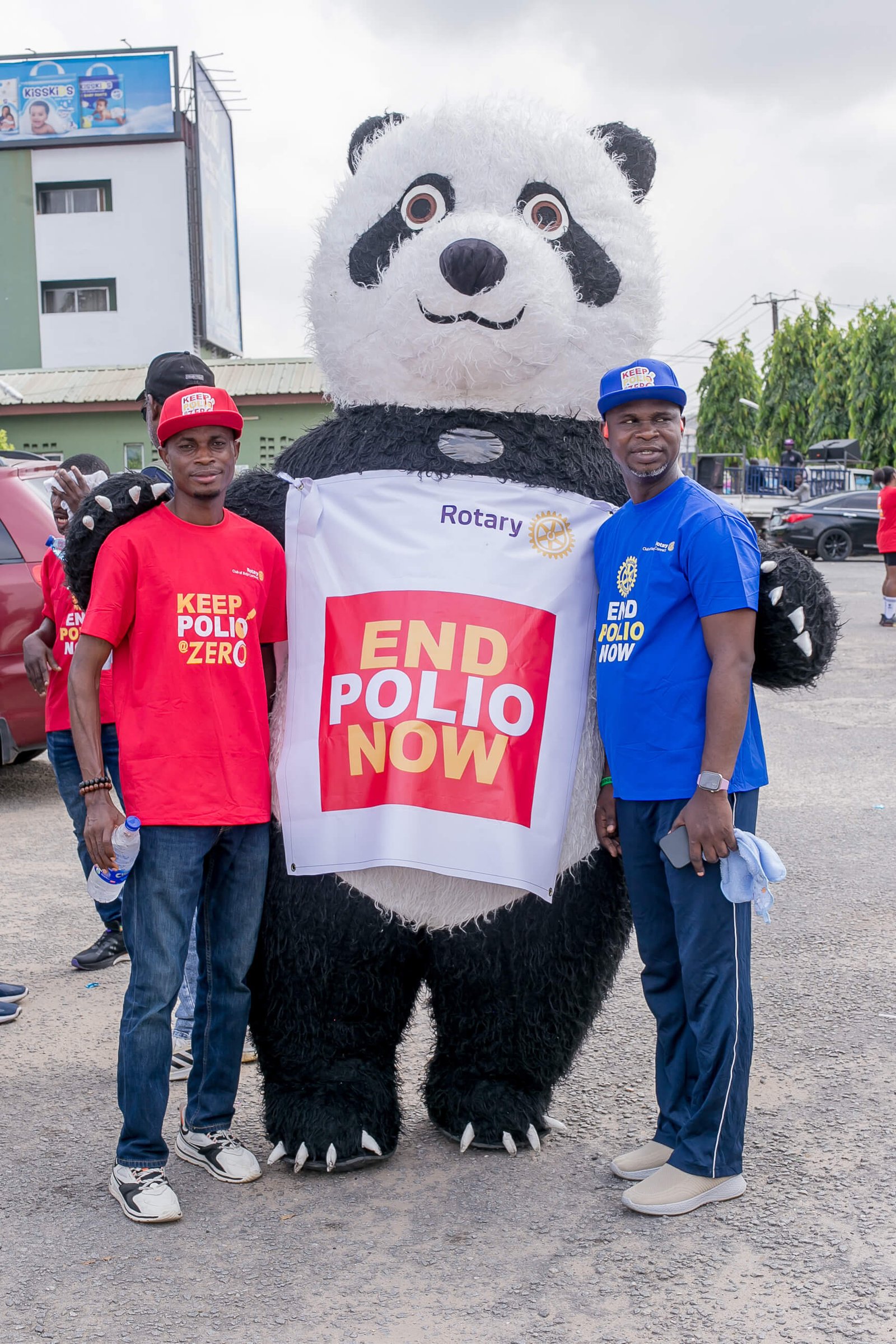
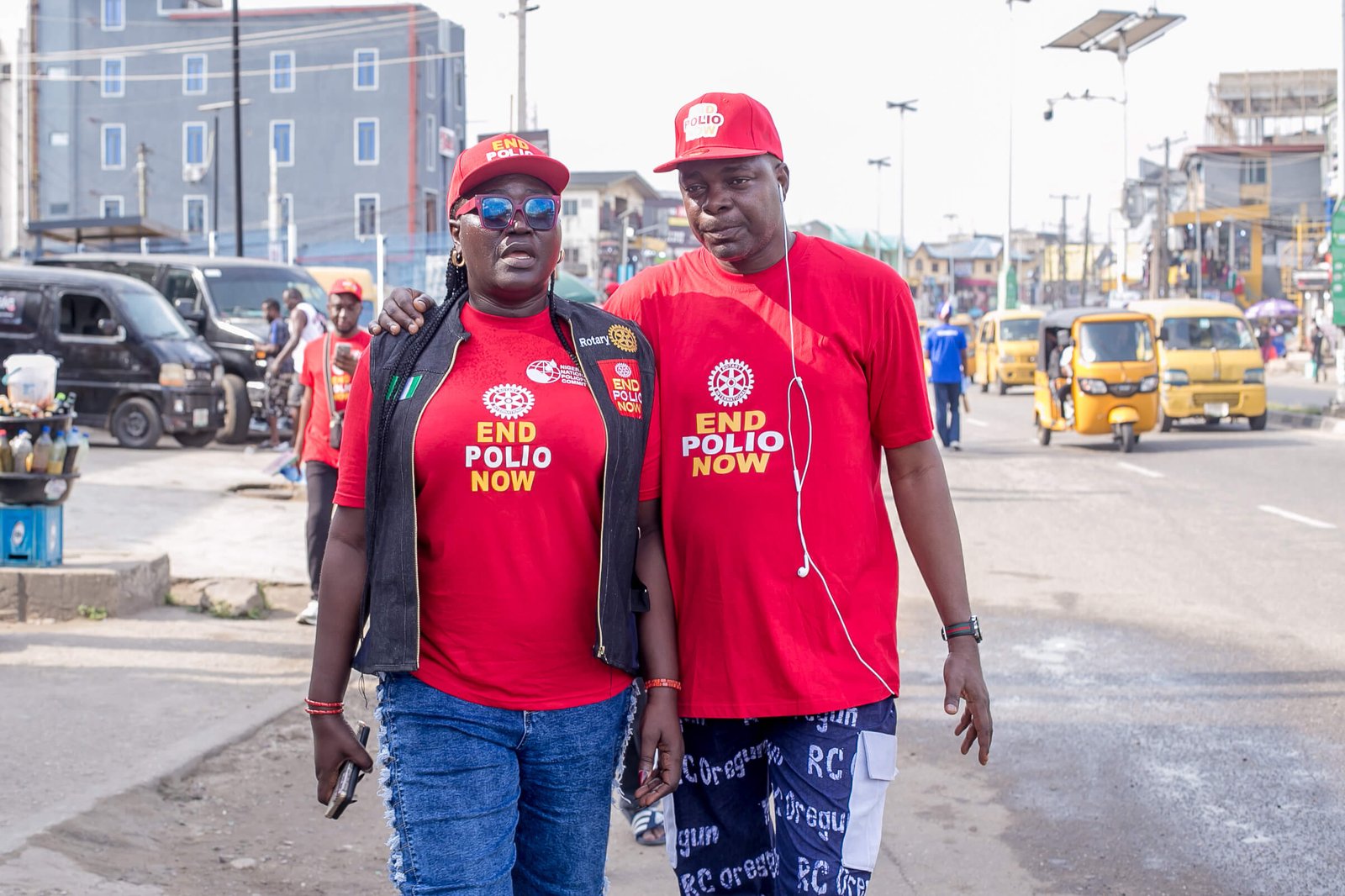
With members dressed in branded Rotary T shirts and face caps, carrying banners bearing messages of awareness, the Rotarians turned the streets into a moving campaign ground. Starting from Airport Hotel, the walk proceeded through Ikeja, reaching commuters and members of the public with a message that could help protect an entire generation.
Their objective was not merely to mark a date on the international health calendar. It was to remind Nigerians that the work of eradicating polio is not finished until every child is protected.
ALSO READ:
Adekunle Gold Foundation Provides Care for 400 Sickle Cell Patients in Lagos
Jerry Eze Foundation Gives ₦1 Billion in Grants to 240 Nigerian Entrepreneurs: No Loan, No Collateral

Why the Fight Against Polio Still Matters
Polio, short for poliomyelitis, is a highly infectious viral disease that primarily affects children under five. The virus attacks the nervous system and can cause irreversible paralysis. In severe cases, it can affect the muscles responsible for breathing and lead to death.
Although there is no cure for paralytic polio, vaccination can prevent the disease.
A child who develops paralysis from polio may require lifelong assistance with mobility and daily activities. Families can face years of emotional, physical and financial challenges, while the affected child may lose opportunities that other children take for granted.
The troubling reality is that polio can spread even when an infected person shows no obvious symptoms. This makes vaccination particularly important, because the absence of visible illness does not necessarily mean a community is free from the virus. That is why public awareness and routine immunization remain essential, even in places where wild polio virus transmission has been interrupted.
Nigeria was certified free of indigenous wild polio virus in 2020, an important public health achievement. However, the global fight continues, and the risk of polio virus importation and circulating vaccine derived polio virus means vaccination coverage and surveillance must remain strong.
For Lagos, keeping children protected requires sustained attention, reliable immunzation services and cooperation between health authorities and the communities they serve.
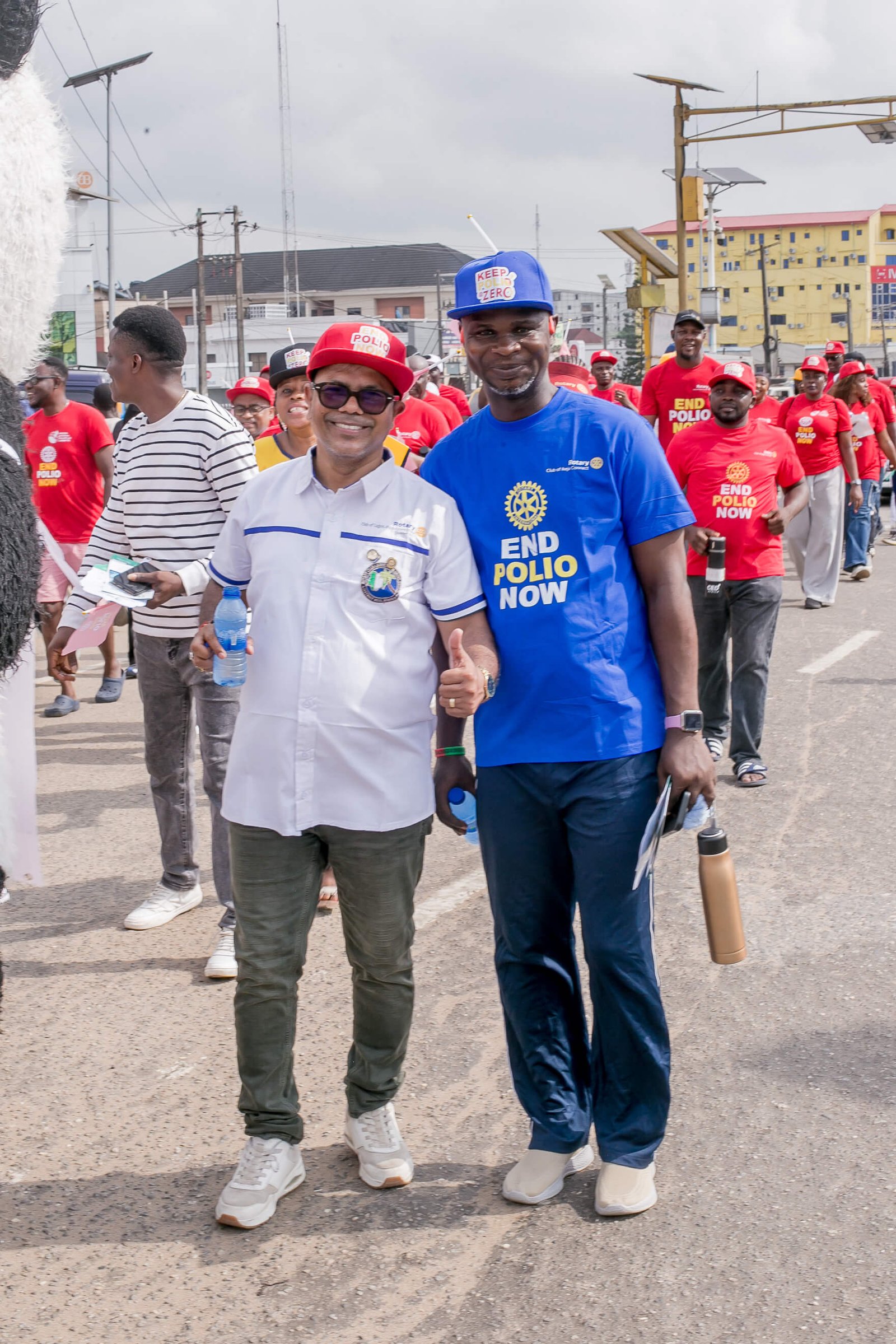

Rotarian Abayomi Shobowale: The Fight Requires Everyone’s Commitment
Speaking on behalf of the Rotary Club of Ikeja Connect and the participating clubs, the chartered president, Rotarian Abayomi Shobowale, emphasised the importance of collective responsibility in the global effort to eradicate polio. His message was directed at Nigerians from every walk of life, particularly parents and caregivers whose decisions about childhood immunization can help determine whether children remain protected against the disease.
The campaign underscored the need for parents to ensure that their children receive the recommended polio vaccines and complete their immunization schedules. It also highlighted the importance of public cooperation with vaccination teams and the need to address misinformation that may discourage families from accessing essential vaccines.
For Shobowale and the Rotarians who participated in the walk, the mission goes beyond creating awareness for one day. It is about building a society in which protecting children against preventable diseases becomes a shared responsibility.
Further contributions came from the presidents of the participating Rotary clubs, Rotarian Oluwafunmilayo Bickesteth, Rotarian PrasanKumar Jena, Rotarian Okponyia Pearl, Rotarian Jide Fashola and Rotarian Olamide Tinuoye, who joined the collective call for stronger public participation in the fight against polio.
They urged parents to ensure that their children receive polio vaccinations, while reinforcing the importance of community awareness and continued vigilance.
The message from the participating Rotarians was consistent: immunization is not a responsibility that should rest on mothers alone, nor should the protection of children be treated as an issue for government agencies alone. Fathers, guardians, community leaders and the wider public all have a role to play.
The message is simple but important: no child should be left vulnerable to a disease that vaccination can prevent.

Rotary’s Global Fight Against Polio
Rotary International has played a major role in the global polio eradication campaign, helping to mobilize funding, volunteers, public awareness and partnerships with international health organizations.
Through the Global Polio Eradication Initiative, Rotary works alongside partners including the World Health Organization, UNICEF, the US Centers for Disease Control and Prevention, the Gates Foundation and Gavi, the Vaccine Alliance, to support vaccination and eradication activities.
The effort has contributed to a dramatic reduction in wild polio virus cases worldwide since the global eradication initiative began in 1988.
Yet, the final stages of eradication can be especially challenging. The virus must be stopped from circulating wherever it remains, vaccination coverage must be maintained, and health authorities must continue monitoring for possible cases.
This is why activities such as the Ikeja awareness walk remain relevant. They connect a global health mission to the people whose participation is necessary to sustain its progress.
Rotary’s contribution is not limited to the funding of programmes. Its members also use their community networks to encourage participation, communicate health messages and support initiatives designed to improve lives.
The six clubs that participated in Saturday’s walk brought that service tradition into the streets of Lagos.



What Nigerians Can Do to Help Keep Polio Away
While Rotary continue to support eradication efforts, members of the public also have practical steps they can take to protect children and their communities.
1. Ensure children receive recommended polio vaccines.
Parents and caregivers should take children for routine immunization and participate in approved supplementary vaccination campaigns. They should follow the advice of qualified healthcare workers on the vaccines and doses their children need.
2. Do not miss vaccination appointments.
Children should receive their vaccines according to the recommended schedule. If a dose has been missed, parents should contact a healthcare provider to determine how to catch up.
3. Support vaccination teams.
When authorized health workers conduct immunization campaigns, families should seek reliable information and cooperate with the programme. If they have concerns, they should discuss them with qualified healthcare professionals rather than relying on rumours.
4. Practice good hygiene.
Polio virus can spread through the faecal oral route, including through contaminated hands, food and water. Washing hands with soap after using the toilet or changing a child’s nappy, maintaining safe sanitation and drinking safe water can reduce the spread of infections. However, good hygiene does not replace polio vaccination.
5. Report unusual symptoms and health concerns.
Sudden weakness or floppiness of a limb, particularly in a child, requires urgent medical assessment. Health workers should also be informed about suspected acute flaccid paralysis so that public health authorities can investigate possible polio cases promptly.
6. Share accurate information.
False claims about vaccines can undermine public confidence and leave children vulnerable. Nigerians can help by sharing information from qualified healthcare professionals and recognized public health authorities, including the World Health Organization and UNICEF.
These steps may appear simple, but they form part of the broader effort to stop polio virus transmission and protect future generations.




The Goal Is Not Simply to Celebrate Progress, but to Protect It
Nigeria’s achievement in interrupting indigenous wild polio virus transmission was a major milestone, but maintaining that progress requires continued effort.
A disease does not disappear permanently simply because a country has celebrated an important victory. Immunization gaps, population movement and the continued circulation of polio virus elsewhere can create fresh risks.
The responsibility, therefore, is to protect the gains already made while ensuring that children who remain vulnerable are reached. For the Rotary Club of Ikeja Connect and its collaborating clubs, the October 24 walk was an opportunity to renew that commitment publicly.
The message was carried through the streets of Ikeja, but its significance reaches every household where a child depends on adults to make decisions about healthcare and protection.
That is why Rotarians continue to carry out sensitization campaigns. When it comes to polio, the real victory is not simply reaching zero cases. It is keeping every child safe enough for that victory to last forever.
MORE ARTICLES:
Want to Slow Your Aging? These Healthy Aging Tips Could Help You Live Longer
Father’s Health Checks: 10 Essential Screenings Every Dad Should Do Yearly
Life After 40: 7 Simple Habits That Could Help You Live Longer and Healthier

Desauce Magazine is more than a blog, it is a cultural journal capturing the rhythm of Nigeria. From music and film to lifestyle and social issues, we tell stories that reflect the energy, struggles, and brilliance of our people.