



Seun Kuti and Wizkid’s Banter, A Clash of Ideology in Nigerian Music

- January 21, 2026
Artist banter has always been part of music’s DNA. Long before social media timelines turned opinions into weapons, musicians were already clashing over relevance, respect, ideology, and legacy. Some rivalries matured into legendary collaborations. Others hardened into lifelong silence. But every once in a while, a clash appears that forces a deeper question, not about who is right, but about what responsibility really looks like at the top.
Artist banter is not new. Long before timelines, blogs, and viral screenshots, musicians have always sparred, subtly or loudly. Sometimes it is jealousy dressed up as critique. Other times it is rivalry fueled by charts, fans, or ego. And sometimes, it is simply two strong personalities refusing to bend.

Over the years, Nigerian music has seen it all. We have watched artists trade bars, throw verbal jabs, and later shock everyone with collaborations that healed divided fanbases. The most famous example remains MI Abaga and Vector, a rivalry that split hip hop fans down the middle before maturity, time, and perspective brought both men into the same room again.
We have also seen the opposite. Clashes that never healed. Beef that hardened into permanent distance. Fanbases turned into digital armies, defending their heroes like blood relatives.
In recent years, a new suspicion has entered the conversation. Many people now assume these public disagreements are calculated PR stunts, engineered to stay relevant in noisy social media spaces, especially when a new project is about to drop. Whether true or not, the audience has become more cynical, less trusting, and quicker to dismiss real ideological disagreements as marketing.
This is the background against which the Seun Kuti and Wizkid banter landed.
Seun Kuti has always positioned himself as the conscience of Nigerian music. Son of Fela, raised on rebellion, allergic to celebrity worship. To him, music is duty before luxury. So when he made comments implying that modern Nigerian superstars, Wizkid included, were not politically vocal enough or socially committed, it wasn’t personal in his eyes. It was ideological. Almost like a disappointed older brother shouting from the balcony.
In professional terms, Seun’s position is consistent with his lifelong brand. He operates from a belief system where cultural relevance must be tied to activism, where influence without confrontation feels incomplete. His critique was not framed as an attack on talent or success, but as a moral question. What should power sound like in a broken country.
ALSO READ:
Wizkid and Asake’s New Era, Why Their Joint EP Feels Bigger Than Just Music
Felabration 2025: Shakara for Days – A Silver Jubilee of Fire, Identity & Legacy
Feature Fever: How Wizkid, Asake & Gunna Are Rewriting Afrobeats in 2025
Wizkid sets an all time record with his new single
The impact of that stance was immediate. Supporters applauded his courage and ideological purity. Critics accused him of gatekeeping activism and measuring today’s artists by yesterday’s struggles. The banter forced a familiar Nigerian argument back into the spotlight, should artists be social commentators, or is their only obligation to their craft.
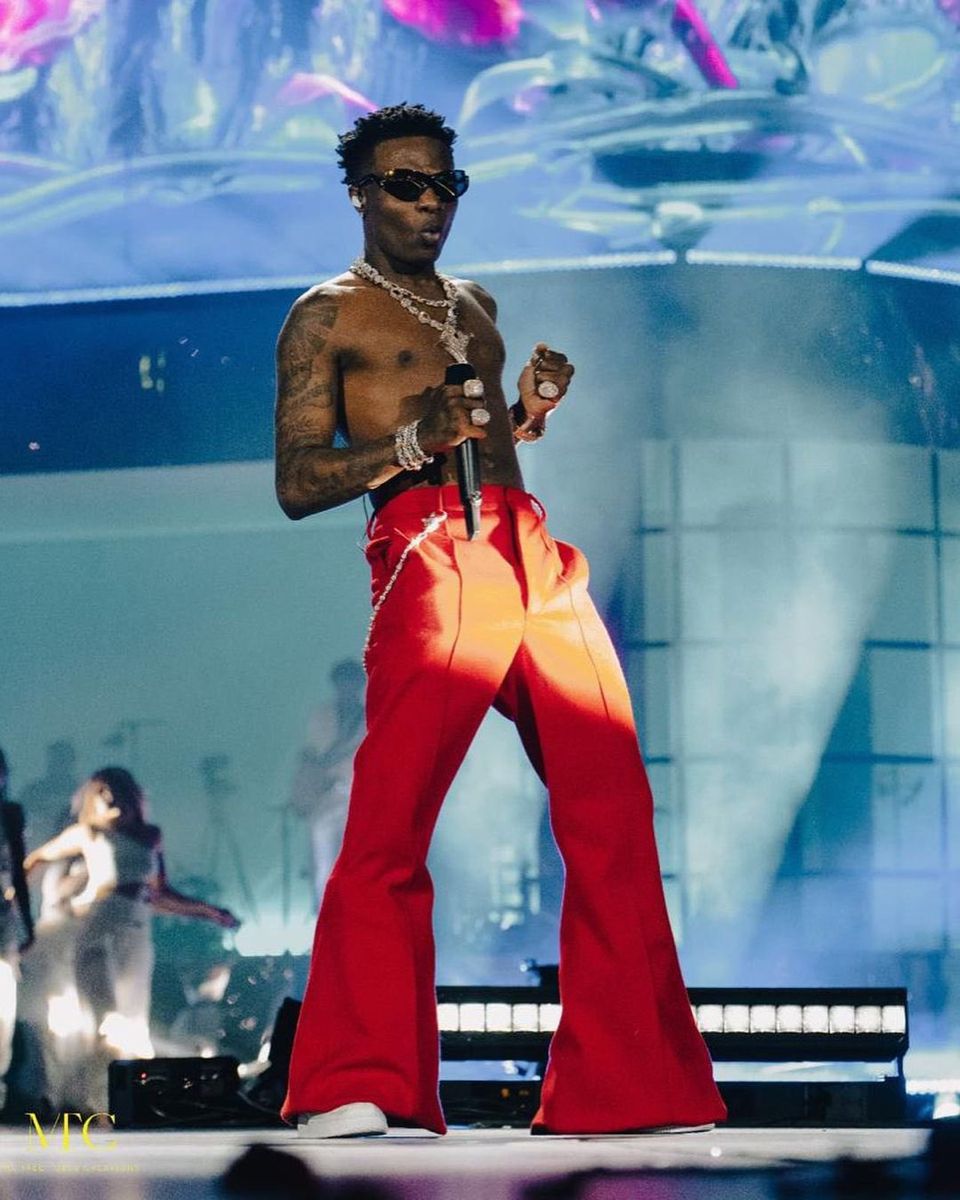
Wizkid, on the other hand, represents a different Nigerian dream. Global success, quiet power, influence without shouting. Wizkid doesn’t preach. He moves softly, drops music, posts sparingly, helps privately, and lets the results speak. When Seun’s comments started circulating, Wizkid’s response, subtle jabs, sarcasm, and online shade, felt less like anger and more like, “You don’t get to define my impact.”
That response mattered. It highlighted a generational shift in how influence is expressed. Wizkid embodies a model where global presence itself becomes a statement. For his supporters, silence is not cowardice, it is strategy. Visibility is power. Access is leverage. And not every contribution needs a megaphone.
But banter like this is never harmless.
On the positive side, it sparks conversation. It forces fans to interrogate their expectations. It reminds the industry that success and responsibility are not neutral ideas. On the darker side, it deepens divisions. It turns nuance into tribalism. It encourages fans to pick sides without understanding the philosophy behind each position.
The danger is not the disagreement itself. The danger is reduction. Reducing Seun to bitterness. Reducing Wizkid to apathy. Both narratives are lazy, and both miss the point.
What this moment really exposed was not beef, but tension between two valid worldviews. One rooted in protest and confrontation. The other rooted in global navigation and soft power. Nigeria is big enough to need both, even if they never fully agree.
The Seun Kuti and Wizkid banter will pass, as all online storms do. But the question it raised will linger. In an era where success is louder than struggle, what do we expect from the people who sit at the top.
Maybe the uncomfortable truth is this. Impact does not have one language. And neither rebellion nor silence has a monopoly on meaning.
FAQs, People Also Ask
What caused the Seun Kuti and Wizkid banter
The banter began after Seun Kuti made comments suggesting that modern Nigerian superstars were not politically or socially vocal enough. Wizkid’s subtle online responses turned the conversation into a wider public debate.
Was the Seun Kuti and Wizkid banter a PR stunt
While some fans believe artist banter is often used for promotion, this particular exchange appeared rooted in ideology rather than marketing, reflecting deeper beliefs about influence and responsibility.
What does the Seun Kuti and Wizkid banter represent
It represents a clash between two worldviews, one grounded in activism and confrontation, the other in quiet global influence and soft power.
Have Nigerian artists clashed like this before
Yes. Nigerian music has a long history of artist rivalries, some ending in collaboration and others in permanent division, making banter a recurring cultural pattern.
Did Wizkid respond directly to Seun Kuti
Wizkid did not issue a formal statement but responded through subtle online posts and sarcasm, signaling resistance to having his impact defined by others.
Tiwa Savage, Tems, Ayra Starr, or Tyla, Who Truly Ruled African Music in 2025?
Davido and Chris Brown Are Finally Making an Album Together, And the Timing Says Everything
AFRIMA 2026 Didn’t Just Celebrate Stars, It Reflected Where African Music Truly Is
Which Afrobeat Album Truly Rocked 2025? Why Davido’s 5ive Still Won
Why Old Nigerian Music Still Hits Harder Than Therapy, The Songs That Raised Us and Still Hold Us Together

Desauce Magazine is more than a blog, it is a cultural journal capturing the rhythm of Nigeria. From music and film to lifestyle and social issues, we tell stories that reflect the energy, struggles, and brilliance of our people.