


Tiwa Savage, Tems, Ayra Starr, or Tyla, Who Truly Ruled African Music in 2025?
-

- January 17, 2026
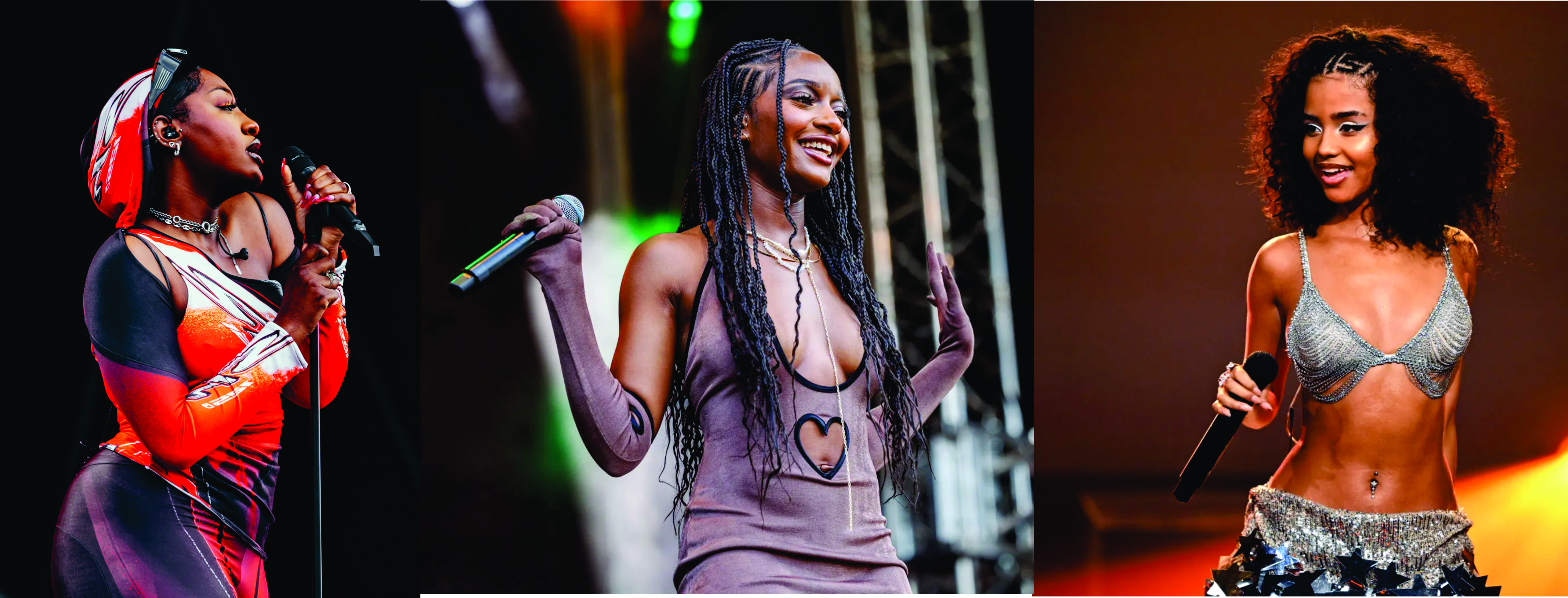
The African music industry has always been a battleground dominated by male voices. For decades, men controlled the charts, the stages, the industry decisions, and the global narratives around African sound. Women were present, but rarely centered. Only once in a while did powerful figures like Chaka Chaka, Angélique Kidjo, and Brenda Fassie break through the noise, not just to participate, but to demand space, to pull their share of the spotlight alongside their male counterparts.
For a long time, those moments felt exceptional, almost symbolic. The throne remained firmly guarded.
That reality, however, has shifted dramatically in recent years. With the global rise of Afrobeats and the renewed attention on African sound, female artists are no longer guests in the conversation. They are architects of it. Women are now standing toe to toe with the men, headlining major festivals, dominating streaming platforms, shaping fashion culture, and conquering territories that once felt inaccessible. What was once a male stronghold has become a shared empire.
As these women continue to rack up milestones, global recognition, and cultural influence, a new debate has quietly grown louder among fans, critics, and industry insiders alike. With 2025 recording some of the most impressive achievements ever seen from African female artists, the question has shifted from admiration to authority, from celebration to comparison.
ALSO READ:
-
Which Afrobeat Album Truly Rocked 2025? Why Davido’s 5ive Still Won
-
Tems Just Built Her Own Kingdom, and This EP Feels Like the Key
-
Tiwa Savage Returns With This One Is Personal: A Diary in Sound
-
Ayra Starr Breaks Records at 2025 MOBO Awards, Wins Big for Nigeria and African Women in Music
-
Tems Honoured with Billboard Diamond Award at Global Power Players Event in London
So, the question everyone keeps asking is simple, but dangerous.
Who truly ruled African music in 2025?
Before we rush into names and fan loyalties, we need to be honest about something. Ruling music today is no longer about a single chart position, one award night, or a viral moment. Power has layers now. Influence moves differently. Legacy competes with momentum. Presence battles mystique.
And that is where this conversation truly begins.
What Does It Really Mean to Rule African Music?
Ruling African music in 2025 means more than owning the biggest song. It means shaping how people feel, move, dress, love, and remember moments. It means being unavoidable in conversation, or unforgettable in silence.
Four crowns defined dominance this year. Cultural ownership, global visibility, consistency, and legacy.
Each crown landed on a different head.
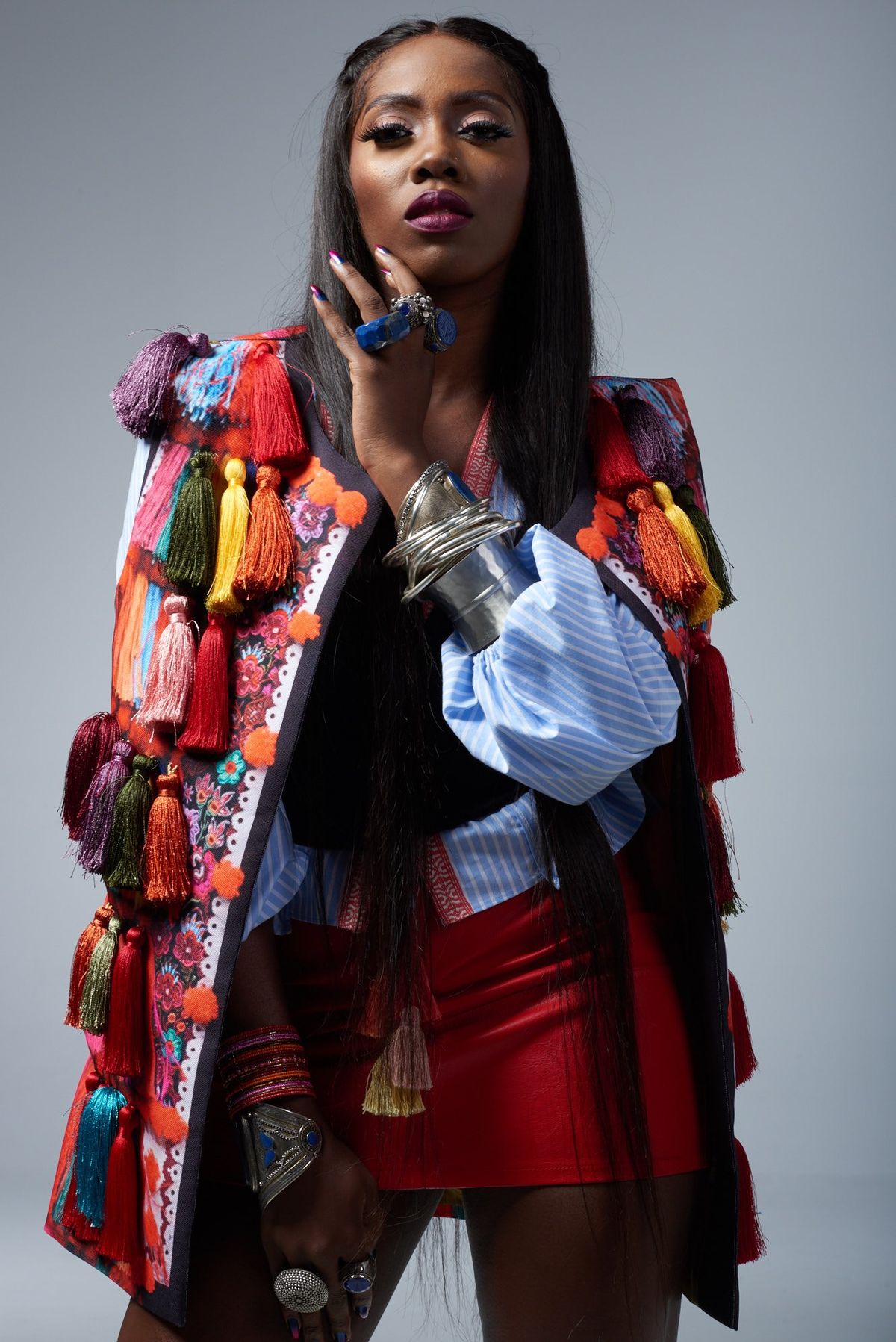
Tiwa Savage, The Crown of Legacy and Control
Tiwa did not chase 2025. She stood still and let it come to her.
While younger artists flooded timelines, Tiwa Savage moved like someone who had already won the war. Every appearance felt intentional. Every performance carried weight. She reminded everyone that relevance does not always scream. Sometimes it walks into the room and the noise lowers itself.
Her power this year was not about numbers. It was about respect. About being referenced, studied, and still desired without begging for attention. Tiwa represented the woman who built the house and still owns the keys, even when others redecorate.
In 2025, Tiwa ruled maturity, authority, and the rare grace of longevity in an industry that forgets quickly.
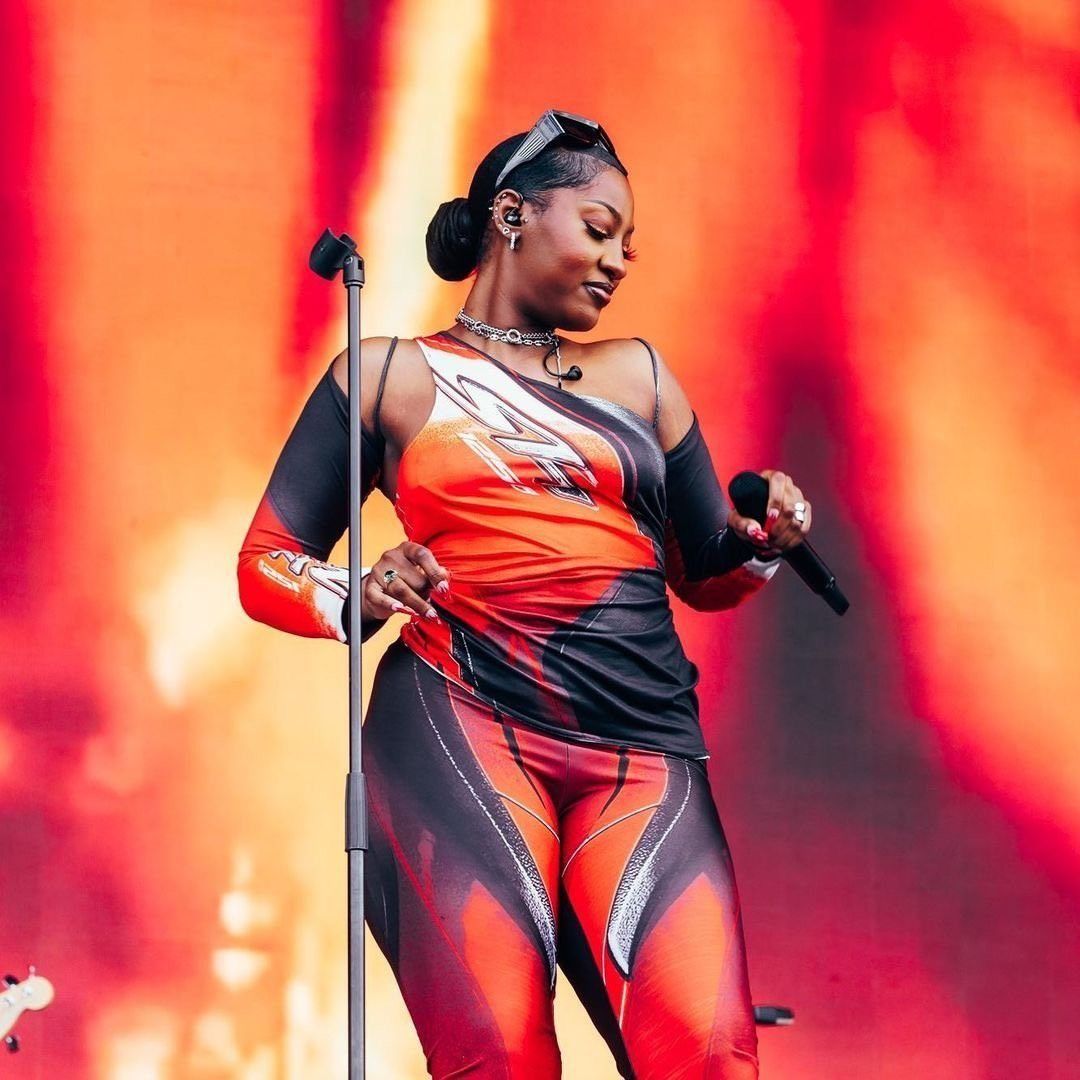
Tems, The Crown of Global Authority
Tems exists in a different frequency.
She does not overshare. She does not over drop. She does not explain herself. And yet, when her voice appears, the world pauses. In 2025, Tems continued to operate above the noise, drifting between continents, soundtracks, awards, and high-level collaborations without ever diluting her essence.
Her dominance was quiet but massive. Africa did not have to beg the world to listen anymore. Tems walked into global rooms and sounded like home, unfiltered, unadjusted.
She ruled by restraint. By mystique. By the kind of confidence that does not argue its worth. In a year obsessed with visibility, Tems proved that presence can be louder than exposure.

Arya Star, The Crown of Consistency and Youth Power
If African music had a pulse monitor in 2025, it would flash Ayra Starr’s name.
She was everywhere, and more importantly, she sounded good everywhere. Streaming platforms, radio rotations, campus hostels, fashion spaces, tour stages. Ayra did not just release music; she lived inside the year.
Her strength was consistency. No long disappearances. No confused eras. She understood her audience, spoke their language, and grew without losing her spark. Gen Z did not just listen to Ayra Starr, they moved with her, dressed like her, quoted her, defended her.
In 2025, Ayra ruled momentum. The present tense. The everyday soundtrack of youth across Africa and beyond.
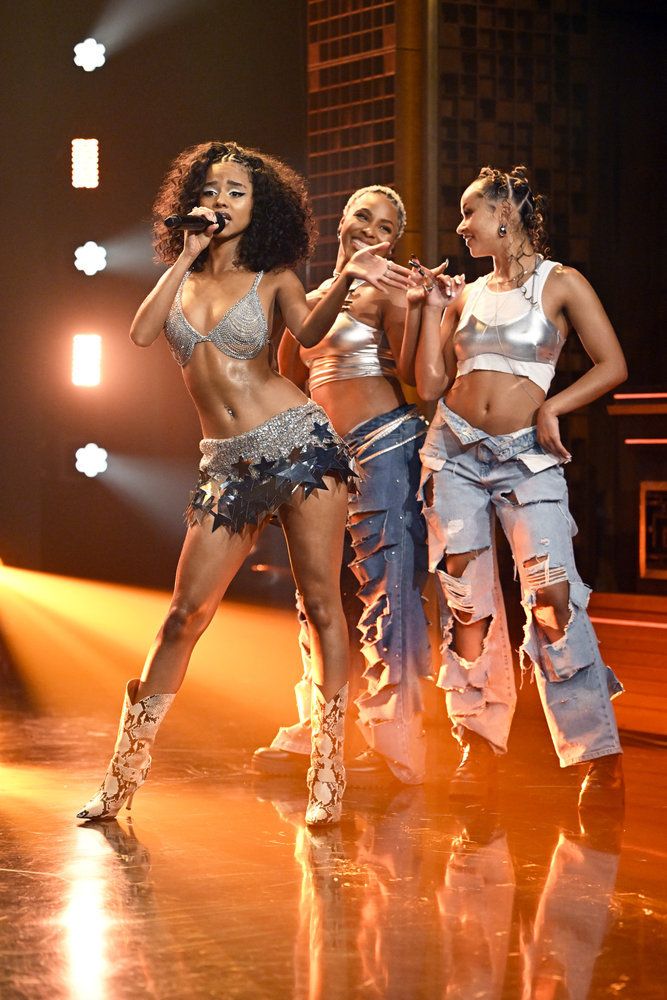
Tyla, The Crown of Global Breakout and Cultural Takeover
Then there was Tyla. One song changed everything.
Water did not just succeed, it shifted perception. Dance floors from São Paulo to Seoul began moving to an African rhythm without subtitles. Tyla became the face of a new kind of crossover, soft, fluid, feminine, and confidently African without explanation.
In 2025, Tyla ruled virality with substance. She represented how quickly African music could travel when the world finally met it halfway. Her presence was light, but her impact was heavy.
She did not need a long catalogue to define the year. She needed a moment that refused to fade.
When All the Crowns Collide
Here is the uncomfortable truth. Tiwa owned respect. Tems owned mystique. Ayra owned momentum.
Tyla owned virality.
Each woman ruled a different kingdom, and none of those kingdoms were small. Trying to force one winner misses the beauty of what actually happened. African music in 2025 was not a solo act. It was a movement led by women, each carrying a different weapon of influence.
But if we are being brutally honest, if we are talking about who felt the most unavoidable in daily life, playlists, conversations, and youth culture, Ayra Starr’s name kept echoing the loudest.
Not because she was the best, but because she was there, consistently, confidently, and completely in tune with the moment.
The Real Question Is Yours
So now the crown passes to you. Who ruled your 2025? Not Twitter. Not award shows. Not headlines. Your real-life soundtrack.
Drop the name. Let the debate continue.
Frequently Asked Questions
Who truly ruled African music in 2025?
African music in 2025 had no single ruler across all dimensions. Ayra Starr dominated consistency and youth culture, Tems commanded global prestige, Tyla led viral crossover moments, while Tiwa Savage maintained legacy influence. Each artist ruled a different space.
Why is African music now dominated by female artists?
The global rise of Afrobeats removed traditional barriers and gatekeeping. As access expanded, female artists matched talent with strategy, confidence, and global readiness. Women are no longer sidelined, they are now shaping sound, culture, and global perception.
Is Ayra Starr the biggest African female artist of 2025?
Ayra Starr was the most consistent and visible African female artist throughout 2025. Her dominance came from steady releases, strong streaming numbers, touring, and deep connection with Gen Z audiences across Africa and beyond.
Did Tems have more global impact than local dominance in 2025?
Yes. Tems’ influence in 2025 leaned more toward global prestige than constant local chart presence. Her collaborations, award recognition, and artistic restraint positioned her as one of Africa’s strongest global cultural exports.
How did Tyla change African music’s global perception?
Tyla’s breakout success introduced a softer, more fluid expression of African pop to international audiences. Her sound crossed borders effortlessly and helped redefine how African music is danced to and consumed globally.
Does Tiwa Savage still matter in the new African music era?
Absolutely. Tiwa Savage’s relevance is rooted in longevity, authority, and influence. While newer artists dominate charts, she represents the foundation and credibility that today’s female dominance is built upon.
Who is the best African female artist of 2025?
Based on consistency, cultural presence, streaming performance, touring, and year long visibility, Ayra Starr stands as the best African female artist of 2025. Her sustained dominance across charts, stages, and youth culture gives her the strongest overall claim.
Can one artist be crowned the African music queen of 2025?
Yes. By editorial standards that prioritize year long dominance, consistency, and cultural relevance within Africa, Ayra Starr can be crowned the African music queen of 2025. This reflects who ruled the everyday African soundscape throughout the year.
Why is this era important for African female artists?
This era marks a turning point where African women are no longer exceptions but leaders. Artists like Ayra Starr, Tems, and Tyla are expanding global perceptions of African sound, culture, and creative power.
-
How African Sound Is Taking Over the Grammys and Changing Global Music Forever
-
AFRIMA 2026 Didn’t Just Celebrate Stars, It Reflected Where African Music Truly Is
-
Why Old Nigerian Music Still Hits Harder Than Therapy, The Songs That Raised Us and Still Hold Us Together
-
Olamide Reigns London: A Night That Proved Street-Hop Still Owns the Throne

Desauce Magazine is more than a blog, it is a cultural journal capturing the rhythm of Nigeria. From music and film to lifestyle and social issues, we tell stories that reflect the energy, struggles, and brilliance of our people.