



Pastor Odumeje’s Entrance at Flavour’s Concert, What Really Happened and Why Nigerians Are Talking
-

- December 27, 2025
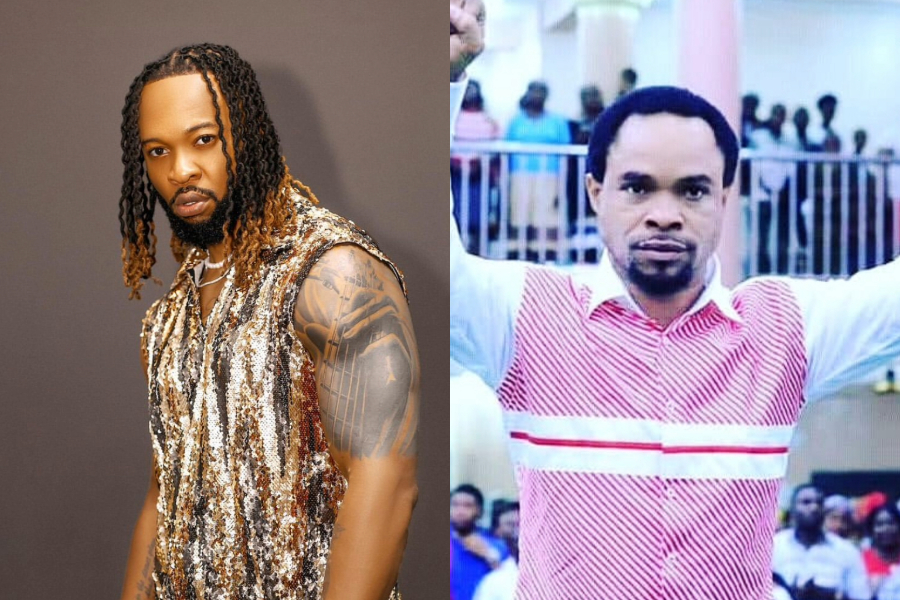
Nobody expected it. Not the crowd. Not social media. Not even the people who thought they had seen everything Nigerian entertainment could throw at them.
Then Odumeje walked onto the stage at Flavour’s concert, and in that single moment, Nigeria paused.
This wasn’t a random hype move. It was a collision, faith meeting pop culture in front of thousands, and the country hasn’t stopped arguing since.
The Entrance That Changed the Mood
Flavour’s show was already charged. The lights, the sound, the familiar rhythm that always pulls people into his world. Then the introduction came, and suddenly the crowd realized something unusual was happening.
Odumeje didn’t rush. He didn’t hide. He walked in with the confidence of a man who knew exactly where he was, and exactly what he represented.
Cheers erupted. Phones went up. Confusion mixed with excitement. For a few seconds, nobody knew whether to scream, laugh, pray, or simply watch history unfold.
When they performed together, it became clear this was not accidental. It was planned. Intentional. Bold.
Why This Moment Hit a Nerve
ALSO READ:
-
Flavour’s Afroculture, The Album That Just Rewrote The Future Of Highlife
-
Faith in Uncertain Times, How Nigerians Find Strength When Life Gets Tough
Nigeria is deeply religious and deeply musical. But the lines between the altar and the stage have always been sensitive. Pastors stay in church. Musicians stay in clubs and concert halls. That separation has been cultural law. until that night.
Odumeje’s entrance forced a question Nigerians have avoided for years, who decides where faith belongs?
For some, it felt refreshing. A pastor unafraid to meet people where they are. A spiritual figure stepping into popular culture without apology. In a country burdened by insecurity, inflation, and exhaustion, some saw it as relief, even joy.
For others, it felt uncomfortable. A mixing of sacred authority and secular entertainment. Questions followed quickly. Is this ministry or marketing? Is this spirituality or spectacle? Does faith lose weight when it enters the concert space?
Nobody stayed neutral.
The Internet Reacts, Predictably Loud, Deeply Split
Clips went viral within minutes. Twitter argued. Instagram debated. WhatsApp groups dissected body language, hand signs, lyrics, intentions.
Some defended it fiercely. They said Nigeria is suffering and people need hope in every space, not just church pews. They argued that music has always been spiritual, and that faith has never belonged to buildings alone.
Others were not convinced. They worried about influence, optics, and what young audiences might take away from it. They questioned whether spiritual authority should share the same space as alcohol-soaked nightlife and entertainment culture.
Both sides had one thing in common. They were paying attention.
Flavour, Culture, and the Bigger Picture
Flavour has always represented something broader than music. Tradition meeting modernity. Igbo heritage flowing into global sound. By bringing Odumeje on stage, he leaned into that identity again, blurring lines, challenging comfort zones.
This wasn’t just about one song or one night. It reflected a larger shift in Nigerian culture, where boundaries are softening, roles are blending, and influence is no longer confined to expected spaces.
Faith leaders are now online personalities. Musicians are cultural philosophers. The audience is no longer passive. They question everything.
What This Moment Really Says About Nigeria
This entrance didn’t happen in isolation. It happened in a Nigeria where people are tired of rigid boxes. Where survival has taught flexibility. Where identity is being renegotiated in real time.
People want meaning, but they also want authenticity. They want spirituality that understands reality, and entertainment that acknowledges depth.
Odumeje walking into Flavour’s show symbolised that tension. Not everyone will agree with it. Not everyone has to. But nobody can ignore it.
After the Applause, What Next?
The real impact of that night won’t be measured by cheers or backlash alone. It will be measured by what follows.
Will more faith leaders’ step into popular culture spaces? Will musicians become more intentional about spiritual collaboration?
Will Nigerians redefine what reverence looks like in a changing world? One thing is certain. That entrance cracked open a conversation Nigeria wasn’t ready to have but desperately needed. And like most important conversations in this country, it didn’t start in parliament or policy rooms.
It started on a stage, under bright lights, with music playing, and a nation watching.
MORE ARTICLES:
-
America’s Christmas Strike in Nigeria, Facts, Reactions, and What Comes Next
-
Best Nollywood Christmas Movies to Watch This Detty December in Nigeria
-
Can Funke Akindele Still Own December Nollywood This Year?
-
Top Nollywood Movies to Look Out for This December 2025

Desauce Magazine is more than a blog, it is a cultural journal capturing the rhythm of Nigeria. From music and film to lifestyle and social issues, we tell stories that reflect the energy, struggles, and brilliance of our people.