


Ojuelegba Hit Different When You Were Broke… Does It Still Feel the Same Now?

- April 9, 2026
“Music no longer has meaning. Everything now is just vibes, women, and money.” You’ve heard it before. Maybe you’ve even said it yourself.
But pause for a second. Was the music really deeper back then… or were we just more desperate?
Because there was a time Ojuelegba was more than a song. It was survival. You’re in traffic, danfo hot like oven, conductor shouting like your future depends on it. Earphones in. That intro comes on. Suddenly, the noise fades. Back then, you didn’t just hear Ojuelegba. You felt it.
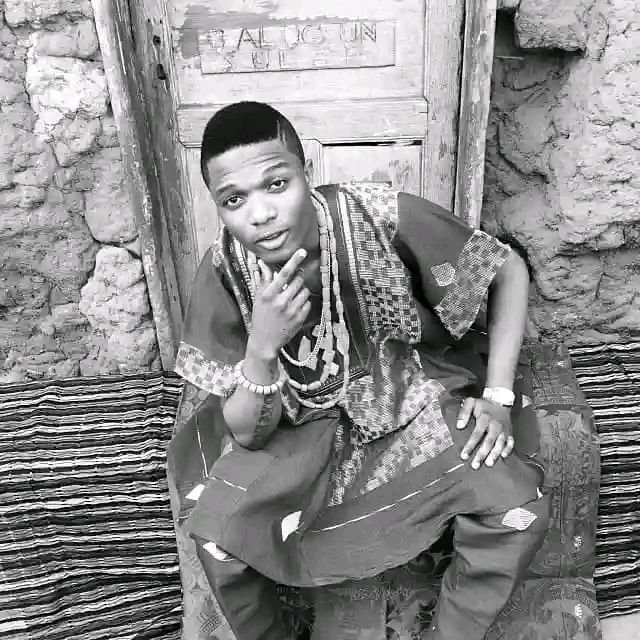
Wizkid was not singing about luxury. He was singing from a place many of us understood too well, uncertainty, pressure, the silent fear that life might not turn out how you hoped.
Ojuelegba carried something raw. Struggle. Faith. Hope for a better tomorrow. And that’s why it hit.
Not because it was technically better than today’s music, but because it mirrored our reality. We were in that same place, chasing something bigger than where we were. Ojuelegba was not just his story. It was ours.
But life changed. Wizkid is no longer that guy standing in Ojuelegba, looking ahead and hoping for a breakthrough. He is the breakthrough.
Money came, influence came. Global stages opened and naturally, the music changed too. Now it’s smoother, softer more about lifestyle, women, enjoyment, the rewards of the journey.
And here’s the truth many people don’t want to accept: You can’t expect a man who has arrived to keep singing like he’s still trying to escape.

This is where it gets uncomfortable. While the artist moved forward… a lot of listeners didn’t.
Many people are still in that phase. Still chasing stability. Still hoping life will finally align. Still holding onto that same hunger.
So when the music changes, it feels like something is missing. It feels like the soul is gone.
But maybe… They didn’t lose depth. They lost that version of pain.
ALSO READ:
Spotify celebrates Wizkid’s ‘Ojuelegba’ 10th anniversary
Feature Fever: How Wizkid, Asake & Gunna Are Rewriting Afrobeats in 2025
How Wizkid Become the First African Artist to Hit 8 Billion Spotify Streams?
Wizkid releases the official video for ‘Piece of My Heart’.
Let’s be honest, we don’t just miss the music. We miss the version of ourselves that related to it. That version that had nothing but still believed in everything. That version that felt every lyric like it was written personally.
And maybe, just maybe, some of us haven’t left that phase. So we expect artists to stay there with us. We want them to stay in their struggle… because we’re still in ours.
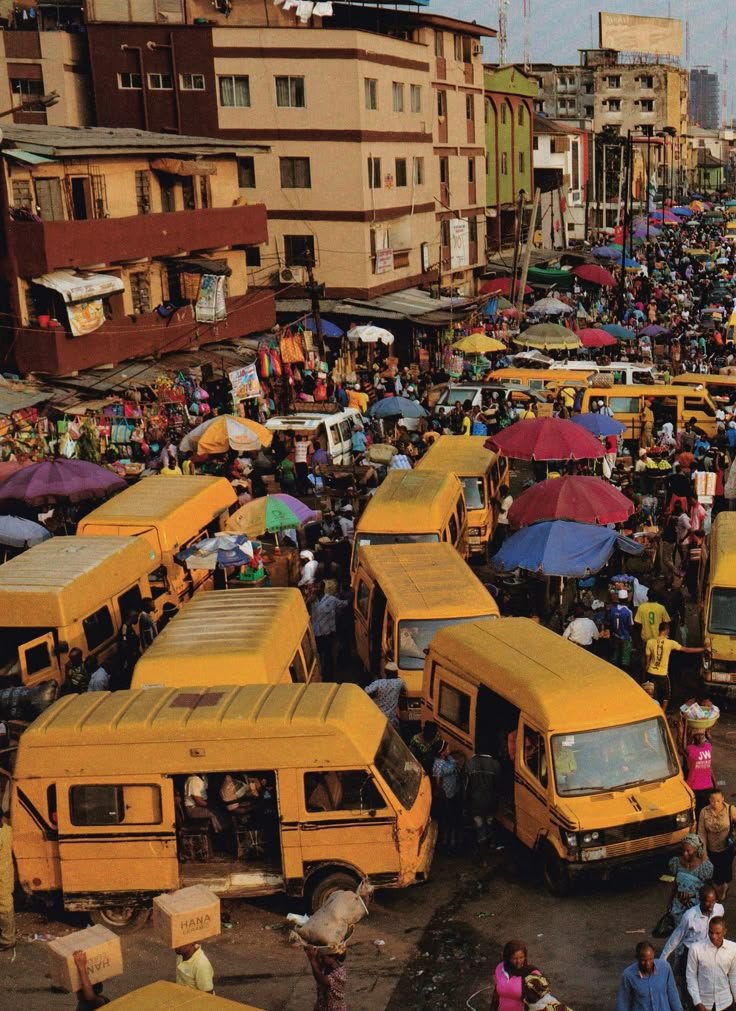
Do we want artists to grow… or stay relatable? Because if Wizkid was still singing Ojuelegba today, word for word, pain for pain… Would that be authenticity? Or would it be stagnation?
Growth changes sound, Success changes stories. And that’s not a failure of music. That’s the reality of life.
Ojuelegba didn’t disappear. It simply belongs to a chapter… that Wizkid has closed. The real question is: Have you?
Today, we take you back to Ojuelegba, the single that announced Afrobeats to the world. A song born from struggle that traveled across continents, earning co-signs from Drake and Skepta, turning a Lagos bus stop into a global symbol of hustle, hope, and prayer. The sound that elevated Wizkid and shifted the sound, proving Afrobeats could carry pain, purpose, and truth. Years later, while the sound has evolved and the lights are brighter, Ojuelegba remains that quiet reminder of where it all really began.
MORE ARTICLES:
Spyro tells men to Invest heavily in your woman
Asake’s documentary on his rise features British actor Idris Elba doing a voice over
Odumodublvck is Nigeria’s hottest rapper- MI Abaga

Desauce Magazine is more than a blog, it is a cultural journal capturing the rhythm of Nigeria. From music and film to lifestyle and social issues, we tell stories that reflect the energy, struggles, and brilliance of our people.