



Jogodo Didn’t Just Drop, It Shifted the Ground Beneath Nigerian Music

- January 23, 2026
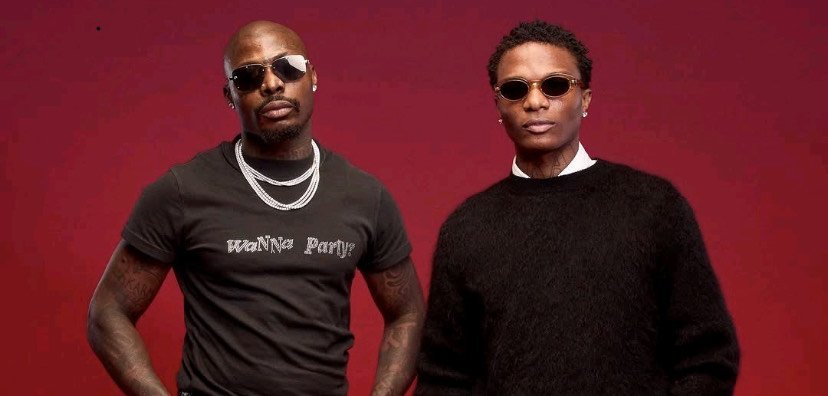
Friday nights are for moments that feel alive, the kind that make you pause, refresh your streaming app, and smile when you see the numbers moving in real time. That is exactly what happened the night Jogodo landed.
This was not a loud release. No forced hype. No industry noise screaming at you. Just mood, intention, and two artists who understand timing like clockwork. And yet, within hours, the record had already rewritten history.
The Record That Quietly Made Noise
In its first 24 hours, Jogodo pulled over 1.3 million streams on Spotify Nigeria, setting a new benchmark for collaborative releases on the platform. Not only did it break the previous record, it did it with ease, like the song knew exactly where it was going before listeners caught up.
By the end of the week, streams crossed the five million mark, positioning Jogodo as one of the biggest opening weeks any song has ever recorded locally. No gimmicks. No drama. Just demand.
This is important because Nigerian streaming numbers are no longer novelty statistics. They are proof of culture moving in unison.
ALSO READ:
Wizkid and Asake’s REAL Vol. 1 Could Be the Most Important December EP in Nigerian Music This Year
Wizkid and Asake’s New Era, Why Their Joint EP Feels Bigger Than Just Music
Seun Kuti and Wizkid’s Banter, A Clash of Ideology in Nigerian Music
Asake Unveils New Album ‘Money’ as He Continues Historic Run in Afrobeats
Why This One Hit Different
What makes Jogodo special is not just the math, it is the chemistry. Wizkid brings restraint, calm, and emotional control. Asake brings urgency, street poetry, and raw pulse. Together, they did not compete. They blended.
The record feels like Lagos at night, windows down, no destination, just motion. It is reflective without being heavy. Confident without being loud. That balance is rare, and listeners felt it instantly.
More Than a Song, A Signal
Jogodo is also the opening statement for their joint EP, REAL, Vol. 1, and if this single is anything to go by, the project is not chasing trends. It is setting tone.
This record tells us something very clear. Nigerian listeners are responding more to feeling than formula. Mood over madness. Intent over excess. And artists who trust their instincts are being rewarded.
What Jogodo’s Success Really Means
This is bigger than charts. Jogodo proves that collaboration, when done with respect and vision, can move faster than solo ego. It confirms that Nigerian music is no longer testing global systems, it is defining its own metrics of success at home first.
When the streets agree with the streams, you know something special has happened.
Final Word
Jogodo did not ask for permission. It arrived, settled in, and took its place. For a Friday release, that is exactly the kind of energy we love to celebrate.
And if this is just the beginning of what Wizkid and Asake are building together, then Nigerian music is not just in a good place, it is in a confident one.
Friday approved. Desauce certified.
Frequently Asked Questions
What record did Jogodo set on Spotify Nigeria?
In its first 24 hours, Jogodo recorded over 1.3 million streams on Spotify Nigeria, setting a new benchmark for collaborative releases on the platform. By the end of its first week, the song crossed five million streams, placing it among the biggest opening week performances ever recorded locally.
Why did Jogodo perform so well without heavy promotion?
Jogodo succeeded because of anticipation, trust, and emotional connection rather than aggressive marketing. Both artists allowed the music to lead the conversation, and Nigerian listeners responded strongly to its unforced, mood driven energy. The demand was organic, not manufactured.
Is Jogodo part of a bigger project?
Yes. Jogodo serves as the opening statement for Wizkid and Asake’s joint EP titled. The single sets the emotional and sonic direction for a project that prioritizes chemistry, cohesion, and intentional storytelling over trend chasing.
What makes the Wizkid and Asake collaboration special?
The collaboration works because neither artist tries to dominate the record. Wizkid brings restraint, emotional control, and calm delivery, while Asake adds urgency, street poetry, and raw pulse. Instead of competing, both sounds blend naturally, creating a balance listeners immediately connected with.
What does Jogodo’s success say about Nigerian music today?
Jogodo’s performance shows that Nigerian audiences are responding more to feeling and intention than formula. Streaming numbers are no longer novelty statistics, they reflect cultural alignment. Nigerian music is now defining its own measures of success at home before exporting impact globally.
Why are Nigerian streaming numbers important in global music conversations?
Nigerian listeners are highly active, emotionally invested, and consistent. When a record connects, streams move in unison across platforms. Jogodo is proof that Nigerian numbers can shape narratives, influence charts, and signal wider cultural shifts in sound and listener taste.
MORE ARTICLES:
Davido and Chris Brown Are Finally Making an Album Together, And the Timing Says Everything
Which Afrobeat Album Truly Rocked 2025? Why Davido’s 5ive Still Won
Seyi Vibez Levels Up on Fuji Moto, Here Is Our Verdict
Weekend Visuals: New Sounds, New Stories

Desauce Magazine is more than a blog, it is a cultural journal capturing the rhythm of Nigeria. From music and film to lifestyle and social issues, we tell stories that reflect the energy, struggles, and brilliance of our people.