



African artists at the Grammys, what they won and why it made musical sense

- February 10, 2026

Every award season, the same question rises again, does the Grammys truly understand African music, or are fans measuring success with a completely different scale? The frustration is loud, especially when culturally dominant records walk in as favorites and walk out empty handed. But the moment you trace the journey from Miriam Makeba’s historic 1966 recognition to the Academy creating a dedicated African category, the noise begins to quiet. A pattern reveals itself. The Grammys have always leaned toward music that is meticulously produced, structurally cohesive, and globally legible, which explains the repeated triumphs of artists like Angélique Kidjo and Burna Boy. This is not really a story about snubs, it is about understanding the lens through which the world’s most influential music institution listens, and once you see that lens clearly, the timeline stops looking controversial and starts making undeniable sense.
ALSO READ:
What the Grammys Actually Reward Versus What Fans Think They Reward
Why Tyla Won the Grammy, And Why the Result Was Not an Accident
Did Fela Win a Grammy? The True Story of Fela Kuti and His Grammy Lifetime Achievement Award
1966,
Miriam Makeba, Best Folk Recording (shared with Harry Belafonte)
Why it mattered, and why it made sense:
Makeba’s early international collaborations introduced a distinctly African vocal and narrative style to Western listeners in an era when the Academy still judged “world” sounds as folk or collaboration pieces. Her voice and storytelling were already studio-ready and translatable for non-African audiences, which is what the Academy could evaluate then.

1980s – 2000s
Ladysmith Black Mambazo and Soweto Gospel Choir, multiple wins in world/global categories
Why it mattered: Both groups were masterclasses in arrangement, vocal discipline, and cultural translation. Their recordings present tight vocal harmony, precise arrangements, and production that reads clearly in close listening exactly the kind of craft the Academy rewards in album categories that require cohesion across tracks.

2008 (and across 2008 – 2022)
Angélique Kidjo, multiple Grammys in world/global categories (Djin Djin and later wins)
Why it mattered: Kidjo’s albums combine impeccable production values, high-level collaborations, narrative album structure, and consistent sonic identity. The Academy repeatedly rewarded her because her projects read as finished statements strong songwriting, purposeful arrangements, and international production standards that hold up under critical listening.

2021
Burna Boy, Best Global Music Album for Twice As Tall
Why it mattered: This was a body-of-work win, not a street single moment. Twice As Tall is an album with cohesive themes, international production, and carefully layered arrangements. The Academy evaluates albums for narrative, production quality, and execution across tracks, which is why a Burna Boy album performed well in that rubric.

2021
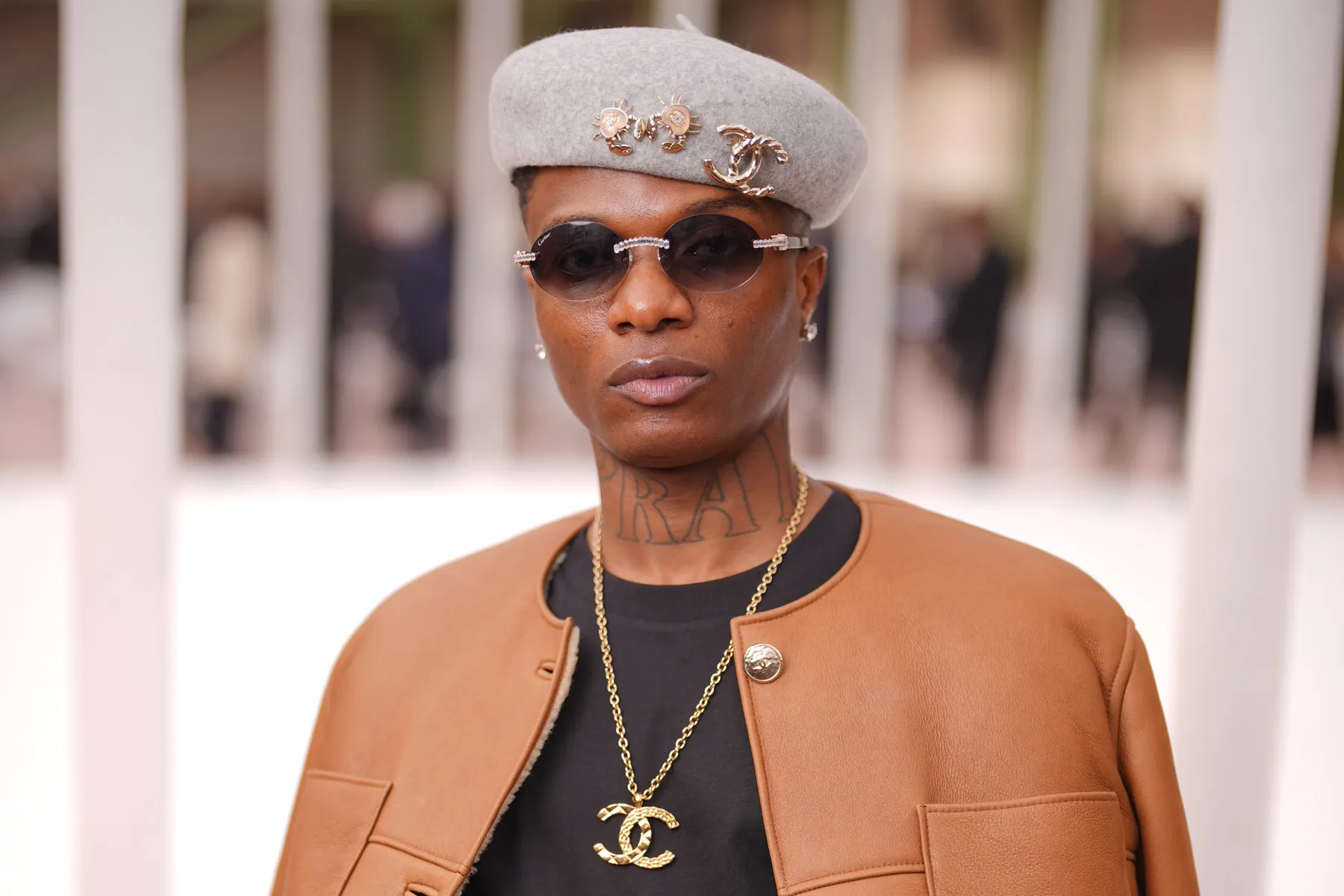
Wizkid, Best Music Video (as a credited artist on Beyoncé’s “Brown Skin Girl”)
Why it mattered: This win shows category discipline the Academy judged a music video’s cinematic and editorial quality. Wizkid’s Grammy is an example of how African artists have been recognized in technically judged categories (visuals, production) as well as musical ones.
2024
introduction of the Best African Music Performance category (first awarded at the 66th Grammys)
Why it mattered: The Recording Academy created a dedicated category to recognize unique local African musical expressions, acknowledging that lumping all “world” music together hid important regional forms. This structural change shifts how African music is categorized at the Grammys and clarifies evaluation criteria for African recordings.
2024–2025
inaugural winners and early recipients in the new African category (examples include Tyla in the inaugural year, followed by other African artists recognized under the new category)
Why it mattered: Early winners in the new category tend to be records that read well in careful listening strong arrangement, distinctive sonic identity, and global legibility which reinforces the pattern that the Academy rewards execution and translation across listening contexts, not just street popularity. (See the official category page and the Academy’s announcement.)
Early 2026
institutional recognition: Fela Kuti received a Grammy Lifetime Achievement Award (posthumous recognition)
Why it matters: This is a structural acknowledgement of an artist whose work shaped a genre. Lifetime awards signal the Academy’s archival mission: to recognize enduring cultural contribution and historical impact, not only yearly releases. This is consistent with how the Grammys build the narrative of music history.
What the timeline shows, in one paragraph
From Miriam Makeba’s 1966 recognition through the multiple wins by Kidjo, Ladysmith Black Mambazo, Soweto Gospel Choir, and later contemporary African stars, the pattern is steady: the Recording Academy rewards recordings and albums that demonstrate craft, cohesion, production quality, and cross-cultural clarity. The 2024 creation of the Best African Music Performance category is the latest institutional move to stop flattening African music into a single “world” bucket, which should help reduce the confusion fans feel when a street smash doesn’t translate into a Grammy win.
MORE ARTICLES
From Lagos to the Grammys, How Nigerians Took Afrobeats From Local Sound to Global Standard
Nigerian Grammy Milestones, A Year by Year Timeline of How Afrobeats Earned Global Recognition
Tiwa Savage, Tems, Ayra Starr, or Tyla, Who Truly Ruled African Music in 2025?

Desauce Magazine is more than a blog, it is a cultural journal capturing the rhythm of Nigeria. From music and film to lifestyle and social issues, we tell stories that reflect the energy, struggles, and brilliance of our people.