



Omotola Jalade: Why I Rejected Political Offers That Could Have Made Me a Billionaire

- September 8, 2026
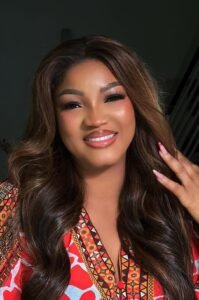
“If I wanted to be a billionaire, I would have been one easily.”
That statement from veteran Nollywood actress Omotola Jalade Ekeinde is more than a celebrity soundbite. It opens up a much bigger conversation about fame, money, influence and the price of entering Nigeria’s political space.
According to Omotola, she has turned down lucrative opportunities, including offers connected to politics, because she was unwilling to compromise her principles or accept positions that could eventually dilute what she represents.

And honestly, that is where the conversation gets interesting. Because in Nigeria, once a celebrity becomes successful, influential and politically visible, the next question is often not “What does this person stand for?”
It becomes: “Which political appointment will they get?”
From actors and musicians to comedians, media personalities and other entertainers, celebrities have increasingly found themselves accepting political appointments, campaign roles, government assignments and other positions of influence. And there is absolutely nothing wrong with a celebrity entering politics.
In fact, celebrities have something politicians desperately need, public trust, visibility, communication skills and the ability to connect with ordinary people.
But there is a bigger question.
What happens when the appointment conflicts with the image the celebrity built?
Fans invest emotionally in celebrities. They don’t just listen to their songs or watch their movies. They follow their opinions, admire their lifestyles and sometimes even adopt their positions on social issues.
So, when a celebrity suddenly becomes associated with a political administration or accepts an appointment from a government their fans previously expected them to question, people naturally begin to ask questions. Was the appointment about service, or was it about access? Was it about making a difference, or securing a seat at the table? And perhaps most importantly, how much of yourself are you willing to give up for the opportunity?
That is why Omotola’s revelation stands out. She didn’t say every offer was necessarily bad. Her argument was more personal. Some opportunities, she said, could have eventually shaken the foundation of what she believed in. That is a difficult position to maintain in an environment where enormous financial opportunities can appear overnight.
Because let’s be honest, money can make principles very uncomfortable. A person can spend years telling people what they believe, only to receive an offer so attractive that suddenly the boundaries become blurry. And this is where celebrities need to be particularly careful. Political appointments can provide influence, access, prestige and financial opportunities. But they can also change how the public perceives you.
Yesterday, you were the celebrity speaking freely. Today, you are part of the establishment. Yesterday, your fans applauded you for criticizing those in power. Today, they are asking why you are sitting beside them. That transition can be complicated.
But should celebrities stay away from politics? Absolutely not. Celebrities are citizens too. They have every right to participate in governance, contest elections, accept appointments and contribute their expertise to national development.
The issue is not whether celebrities should enter politics. The issue is what they are willing to stand for when they get there.
If an actor becomes a cultural adviser and genuinely uses the position to improve the creative industry, why not? If a musician joins government and genuinely advocates for young people, why not? If a media personality enters public service and brings competence, transparency and fresh ideas, why shouldn’t Nigerians welcome it?
The problem begins when celebrity status becomes more important than public responsibility. And perhaps that is the real lesson in Omotola’s story. Not everyone who turns down money is foolish. Sometimes, walking away is itself a statement. Sometimes, protecting your name is more valuable than protecting your bank account. Sometimes, the opportunity you reject today is the very thing that allows people to continue believing you tomorrow.
So the question is not whether celebrities should accept political appointments. The question is: If the appointment comes with a price, what exactly are you willing to sacrifice? What do you think? Should celebrities accept political appointments when the opportunity comes, or should they be more cautious about how such positions affect their relationship with their fans and the public?

Desauce Magazine is more than a blog, it is a cultural journal capturing the rhythm of Nigeria. From music and film to lifestyle and social issues, we tell stories that reflect the energy, struggles, and brilliance of our people.