



AMVCA 2026 Was Not A Red Carpet, It Was a Living Art Exhibition

- May 15, 2026
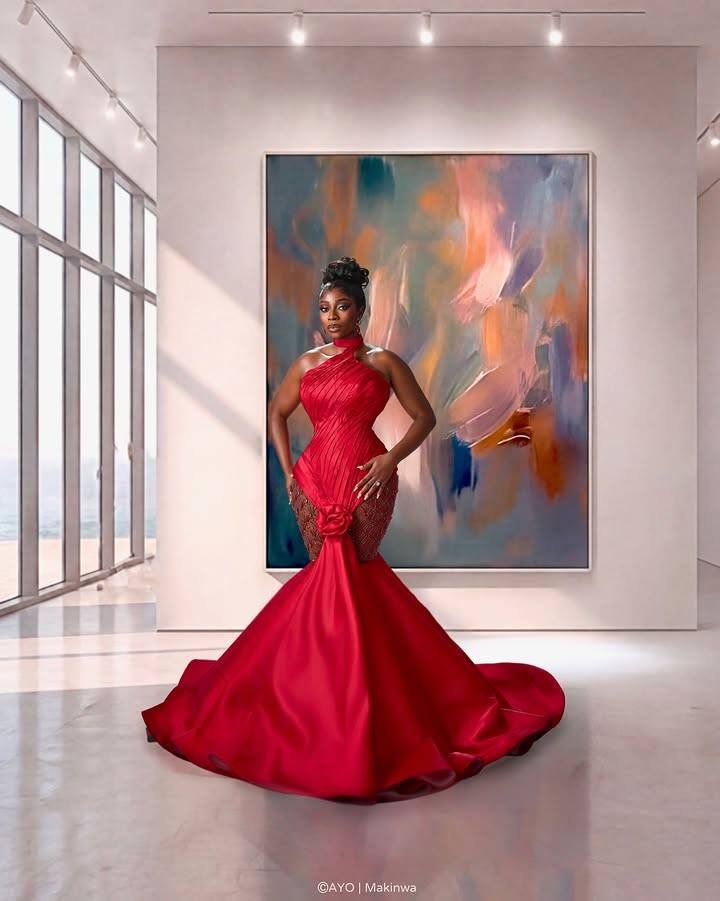
There was a moment during the 2026 edition of the Africa Magic Viewers’ Choice Awards 2026 when the red carpet stopped feeling like a celebrity event and started feeling like the opening night of a high-profile art museum.
Not because of the flashing cameras or the diamonds. Not even because of the celebrities themselves. It was rather because, some of the outfits no longer looked like ordinary fashion. They looked curated, engineered and emotionally constructed.

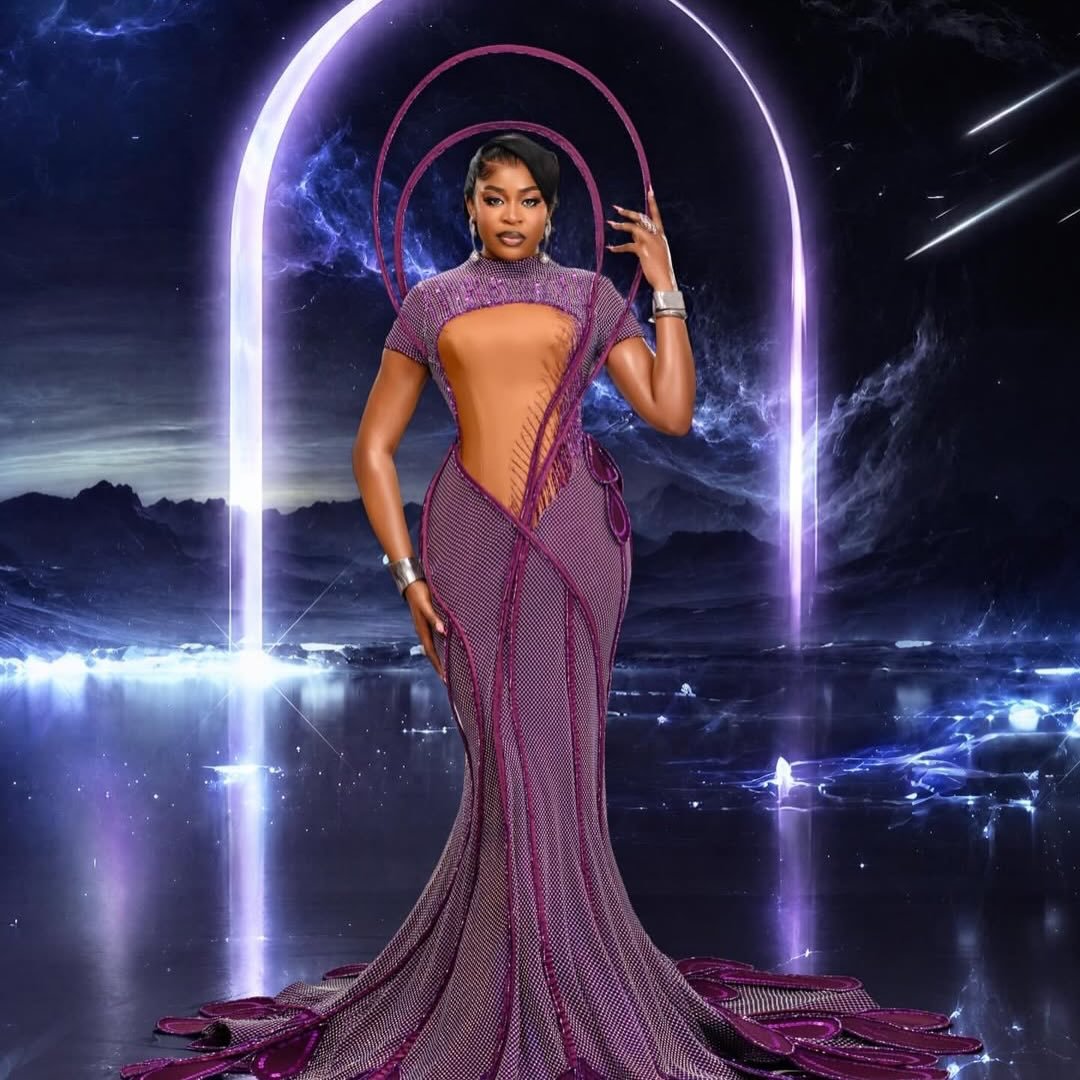
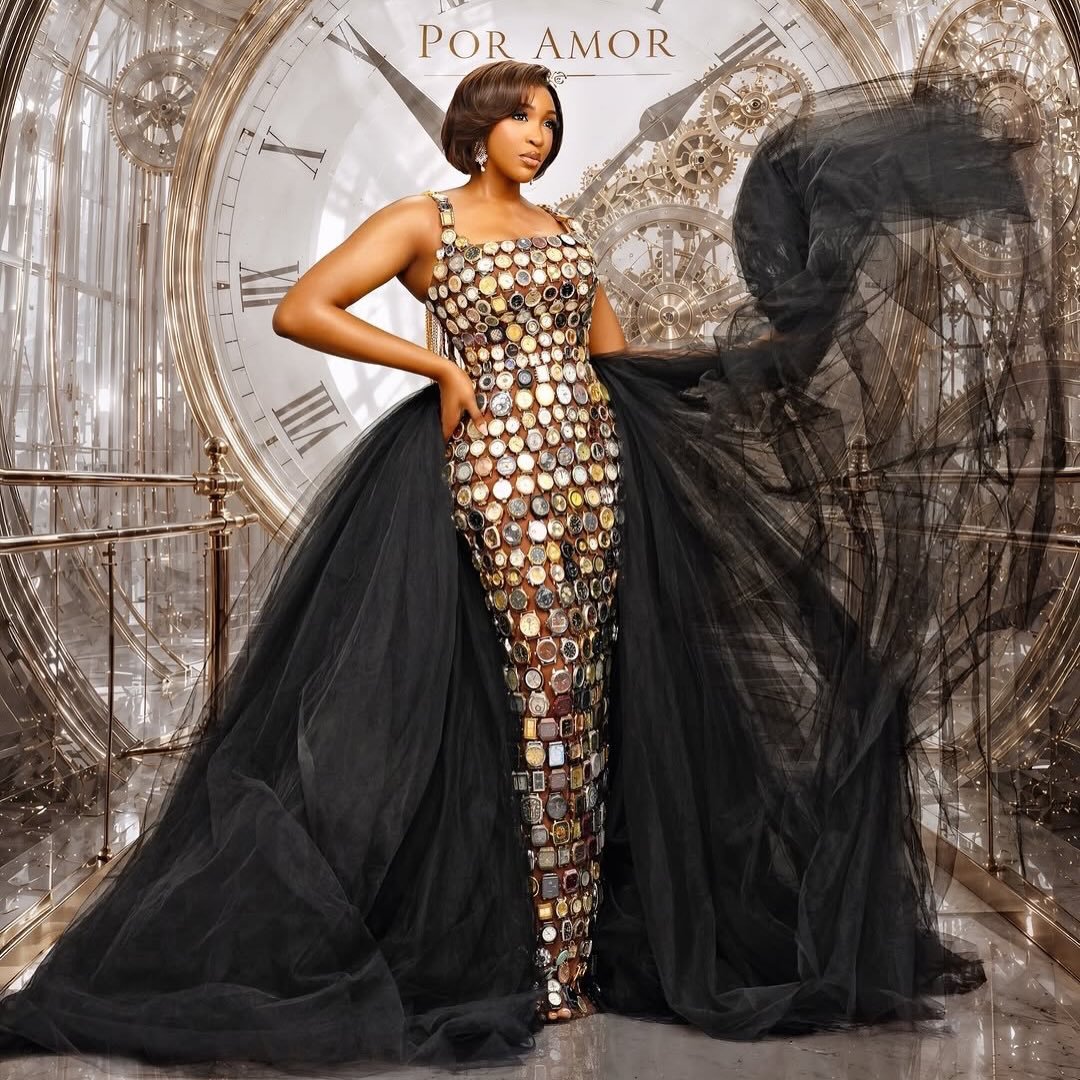
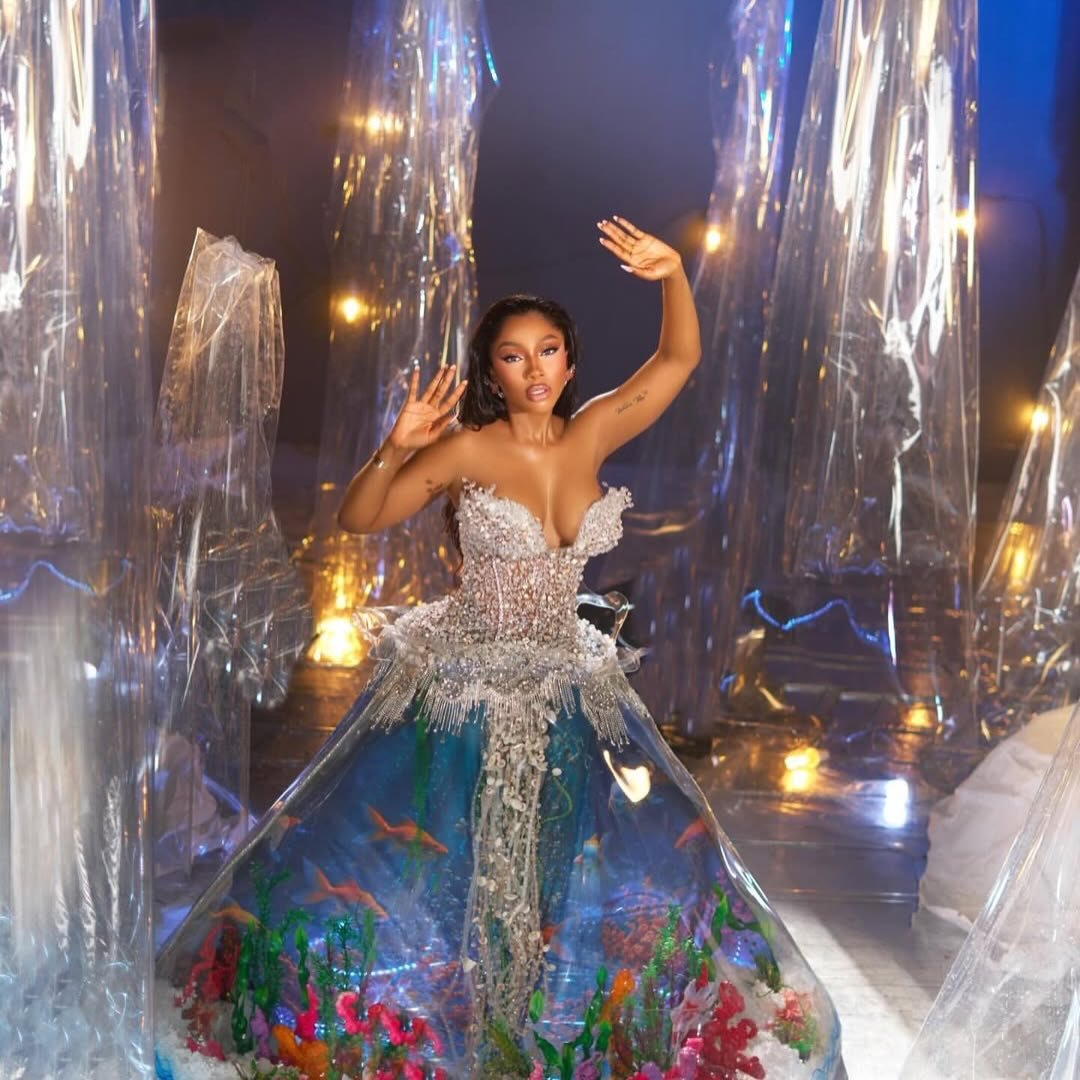
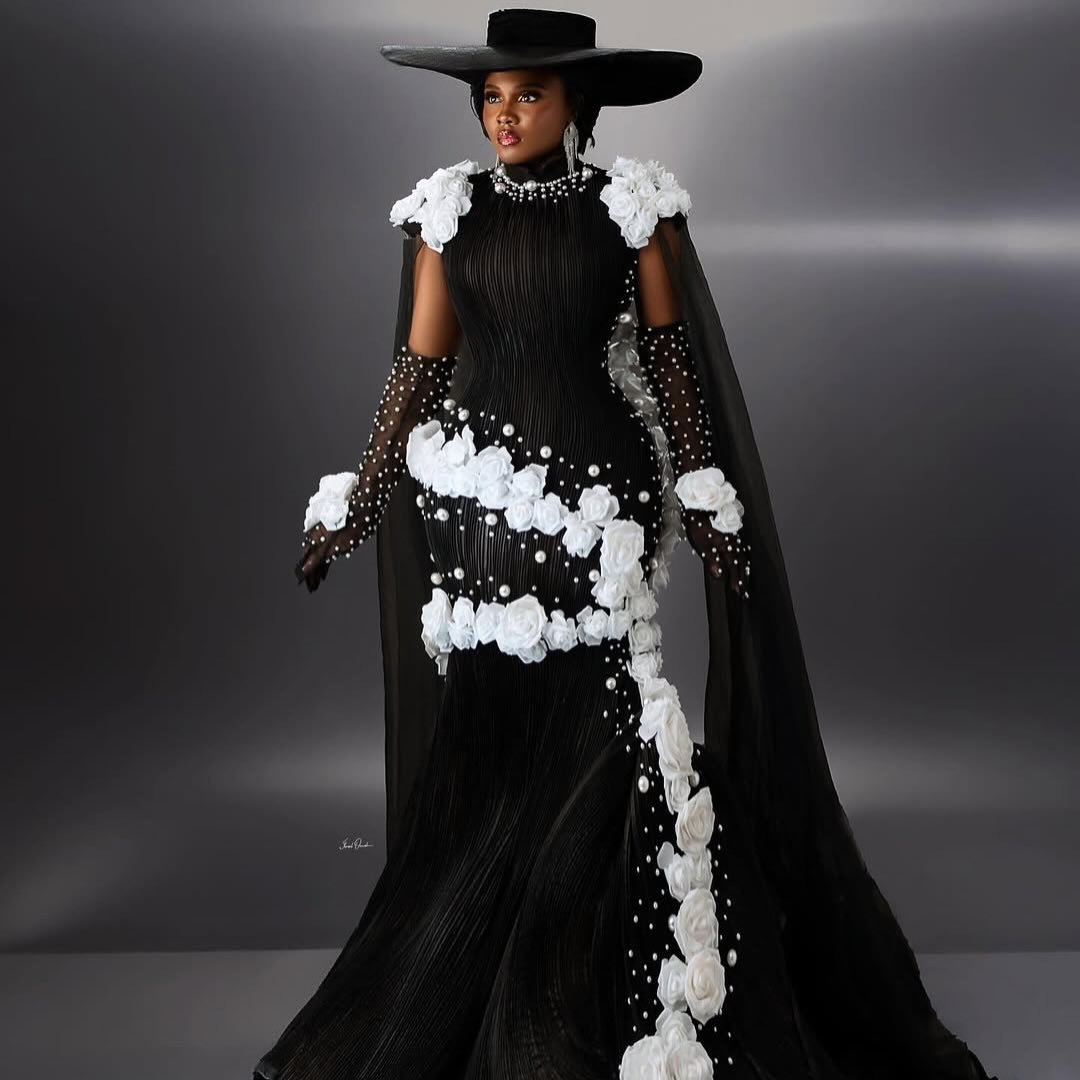
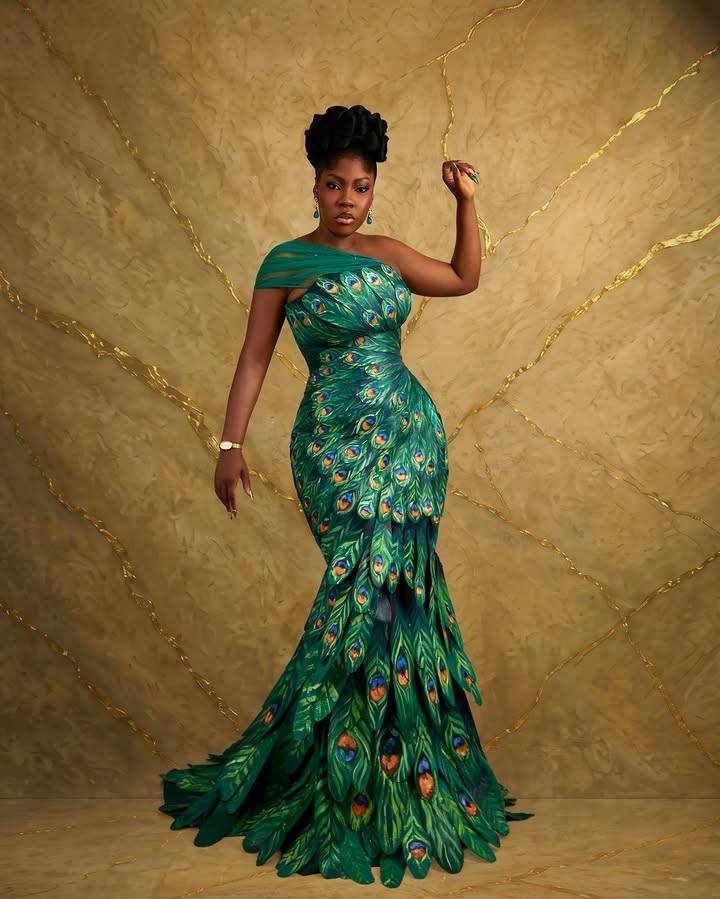
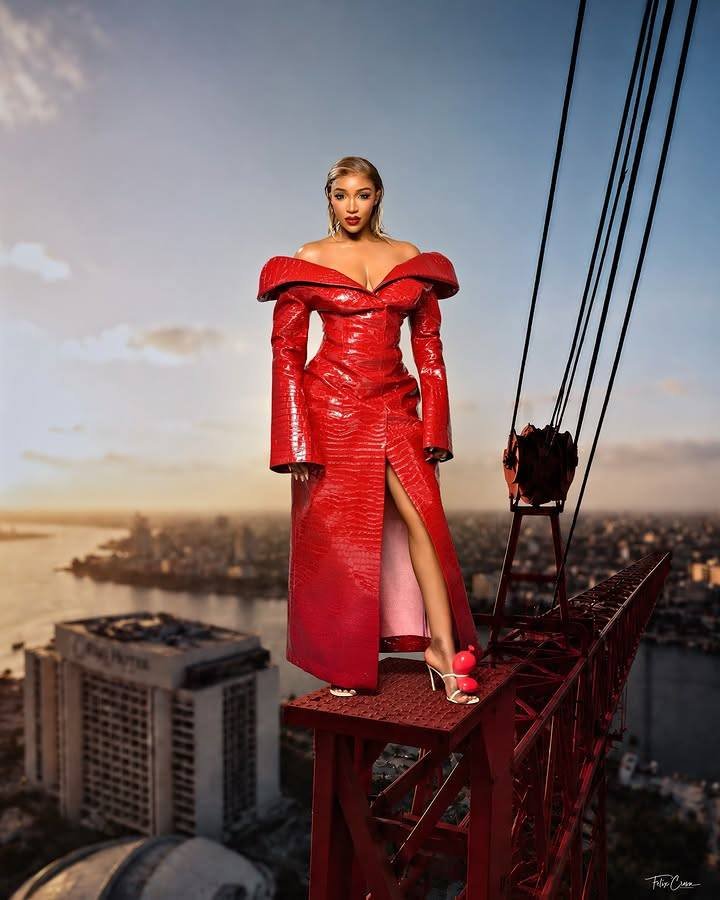
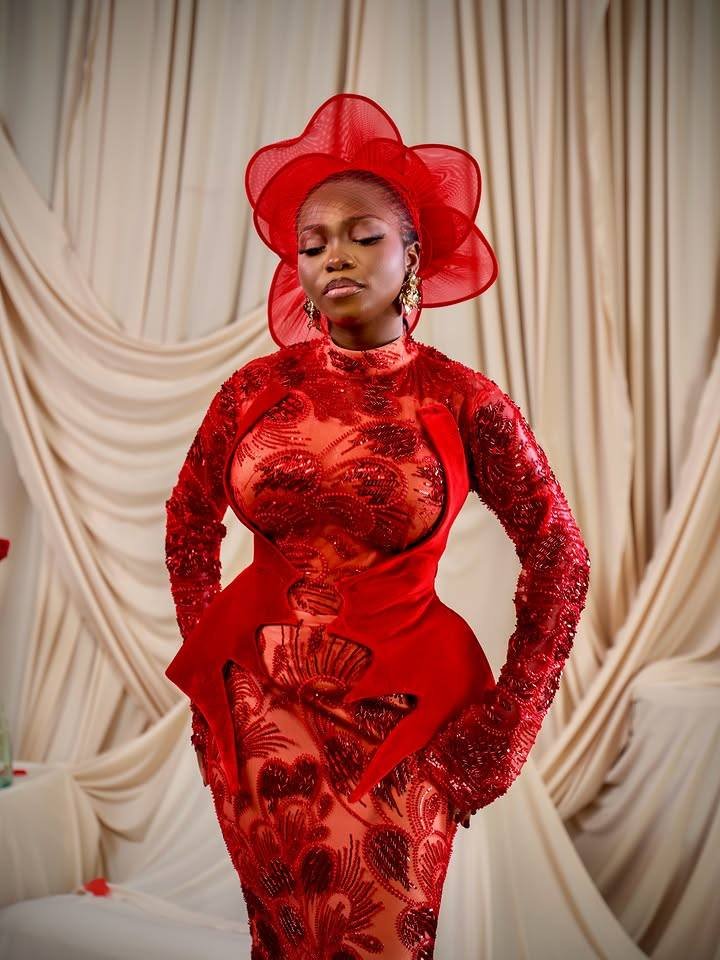
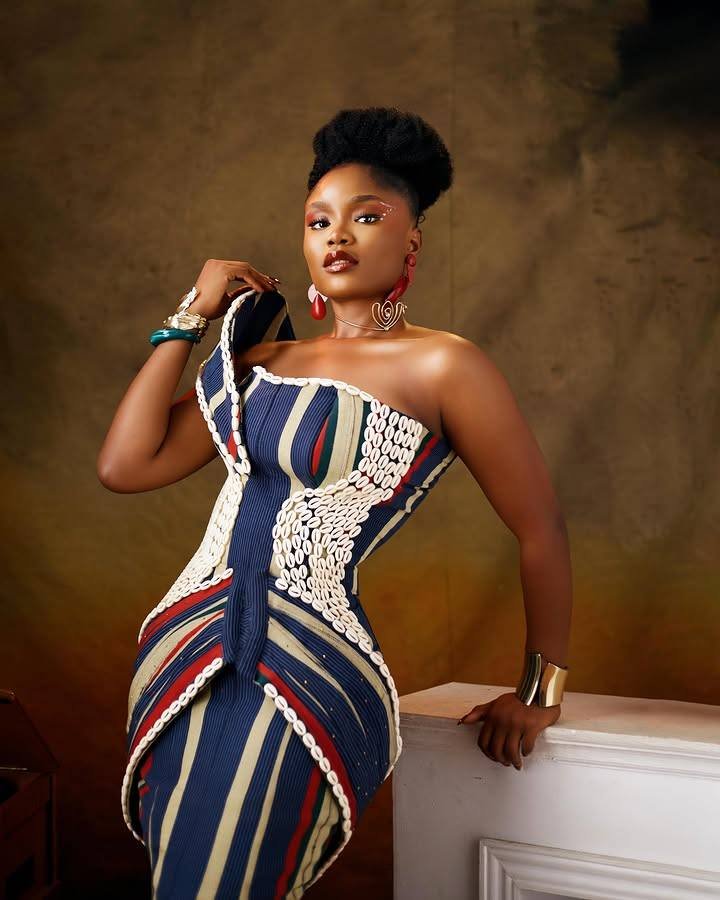
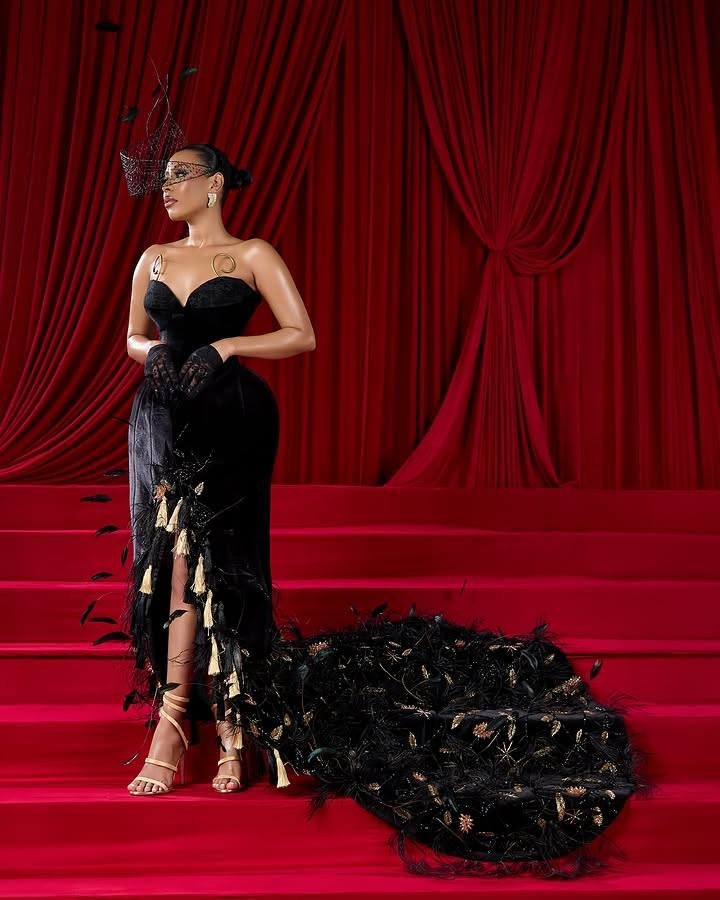
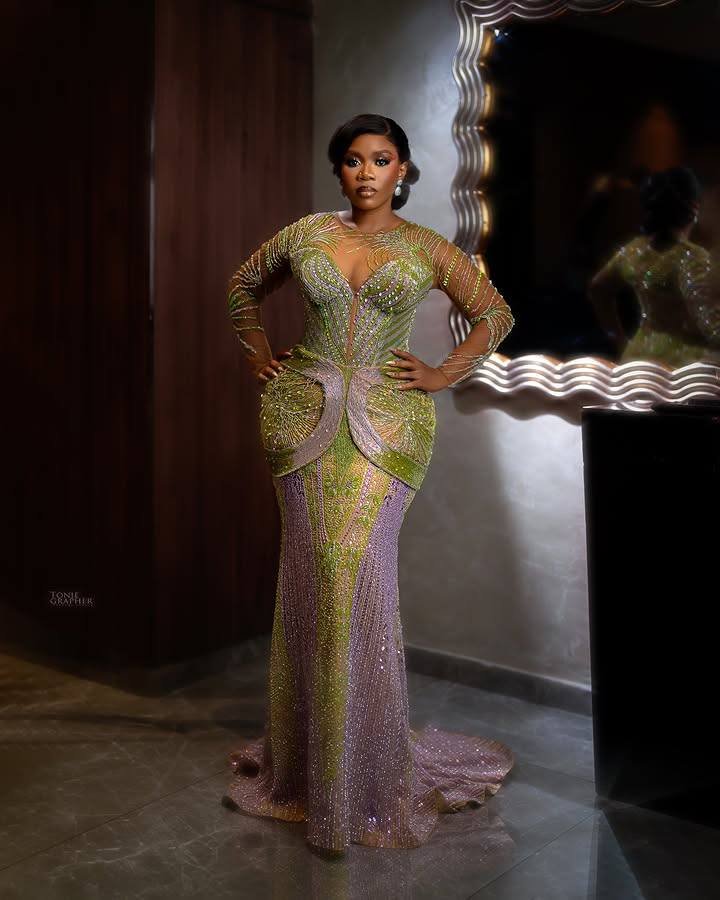
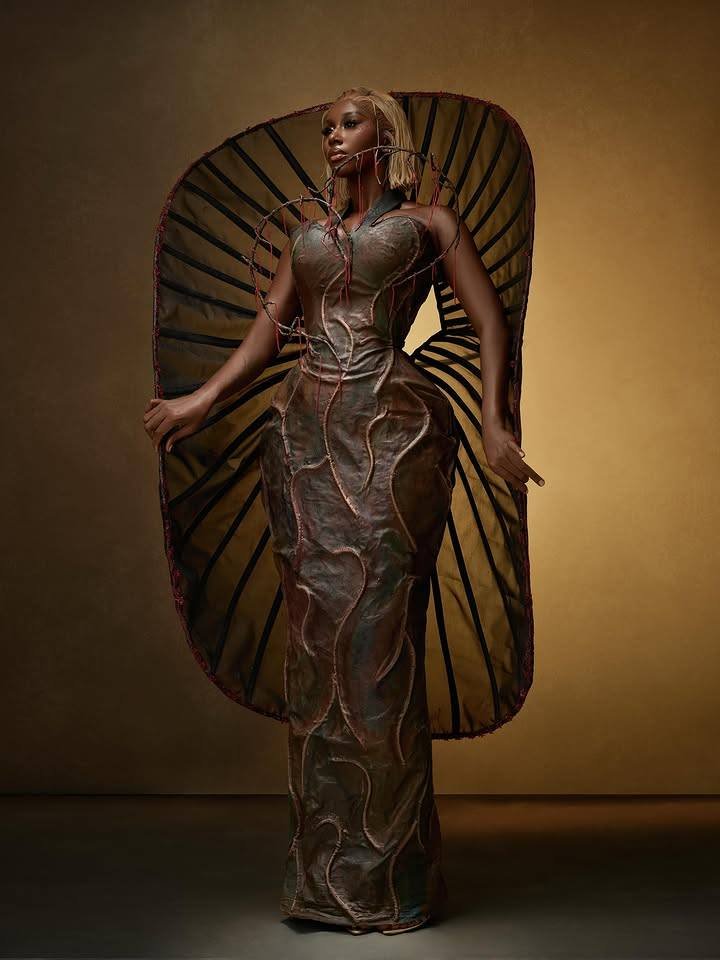
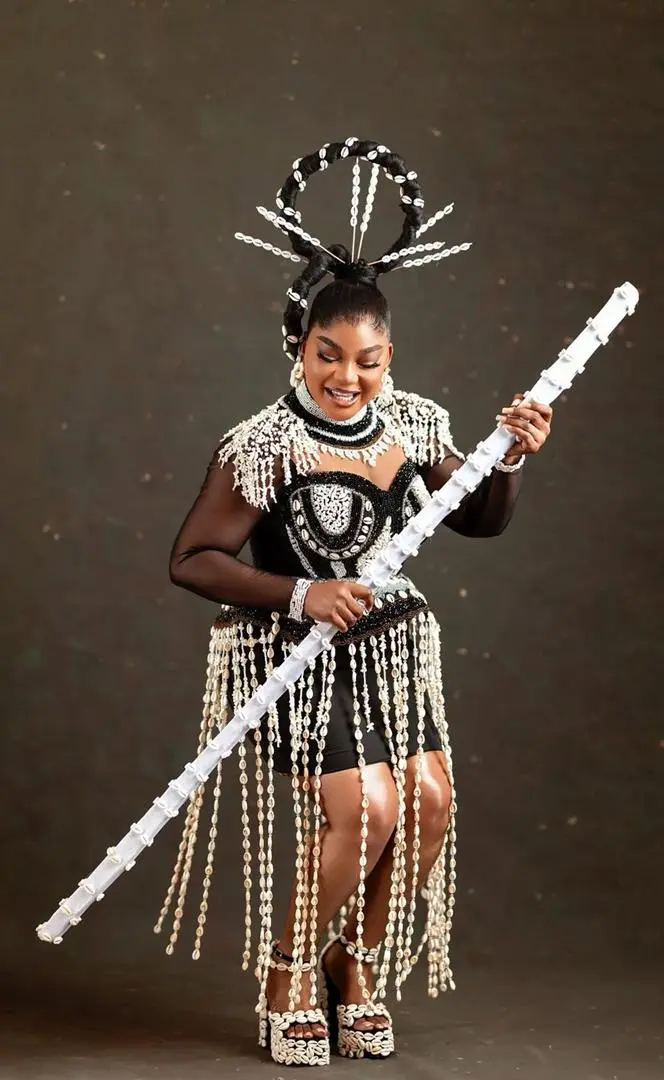
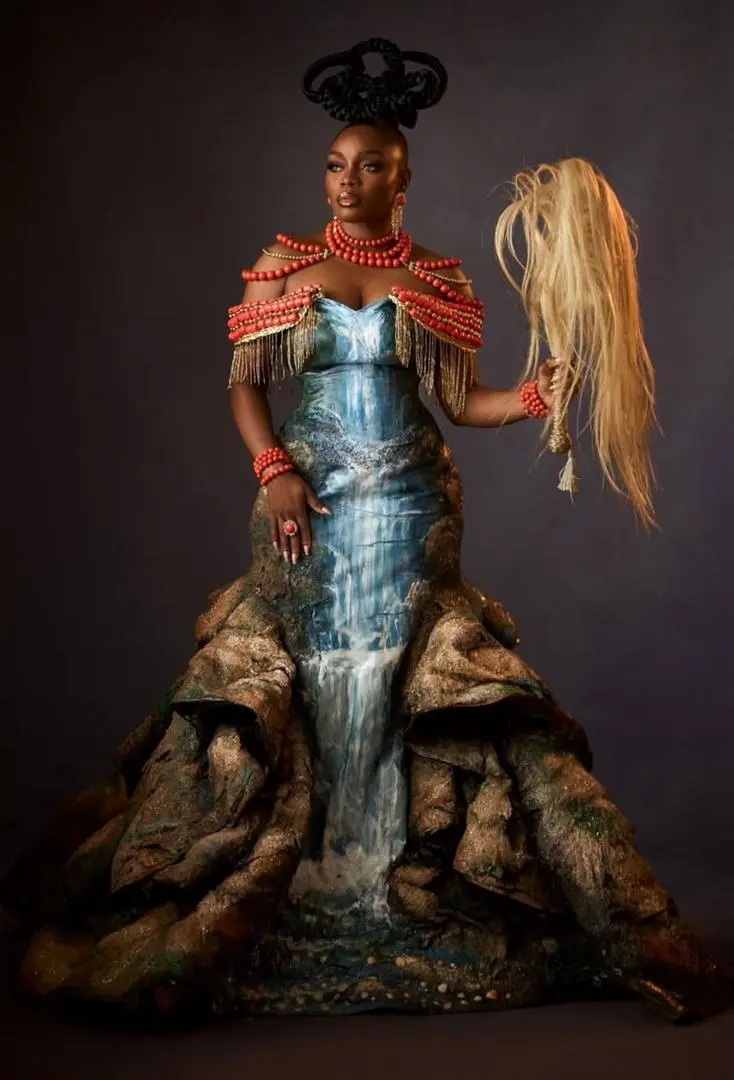
This year, Nigerian designers did not simply sew fabrics together. They built worlds. They created visual mythology. They turned celebrities into moving sculptures, spiritual symbols, futuristic royalty, and living installations that felt bigger than glamour itself.
Some looks felt sacred. Others felt. dangerous. Some resembled billion-naira art pieces brought to life.
And honestly, this may be the exact year AMVCA fashion crossed into cultural history. Because what happened on that carpet was bigger than beauty. It was art with heartbeat.
ALSO READ:
Linda Ejiofor Makes AMVCA History With Double Acting Win
AMVCA 2026 Delivered History, Emotion, And A New Era for Nollywood
AMVCA 2026 Fashion: The Most Anticipated Celebrity Red Carpet Looks Tonight
AMVCA 2026 Fashion: The Most Anticipated Celebrity Red Carpet Looks Tonight
For years, global red carpet fashion mostly revolved around elegance, tailoring, beauty, and luxury. But AMVCA 2026 introduced something much deeper, storytelling.
This year’s designers approached fashion the same way film directors approach cinema. Every silhouette carried emotion. Every exaggerated structure looked symbolic. Every bead felt intentional.
The goal was no longer to simply make celebrities look attractive. The goal was to make people stop, stare, and feel something.
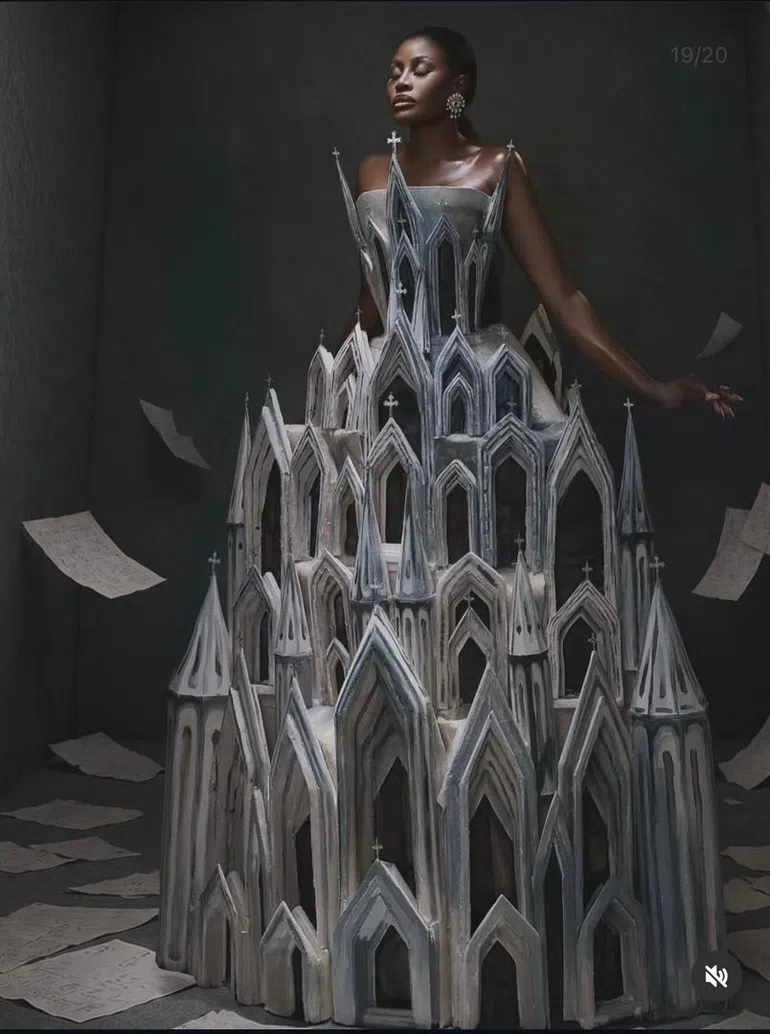
No outfit captured that shift more powerfully than Nana Akua Addo’s now viral cathedral inspired masterpiece. Her towering Gothic gown looked less like clothing and more like architecture carved into fabric. Designed with dramatic cathedral spires, pointed arches, metallic textures, and ancient stone inspired detailing, the outfit transformed her into a walking monument.
The celebrity inside the dress almost disappeared beneath the artistry. That was no longer styling. That was visual world building. And somehow, despite its complexity, it still moved with elegance. That balance between fantasy and wearability became one of the defining themes of the entire night.
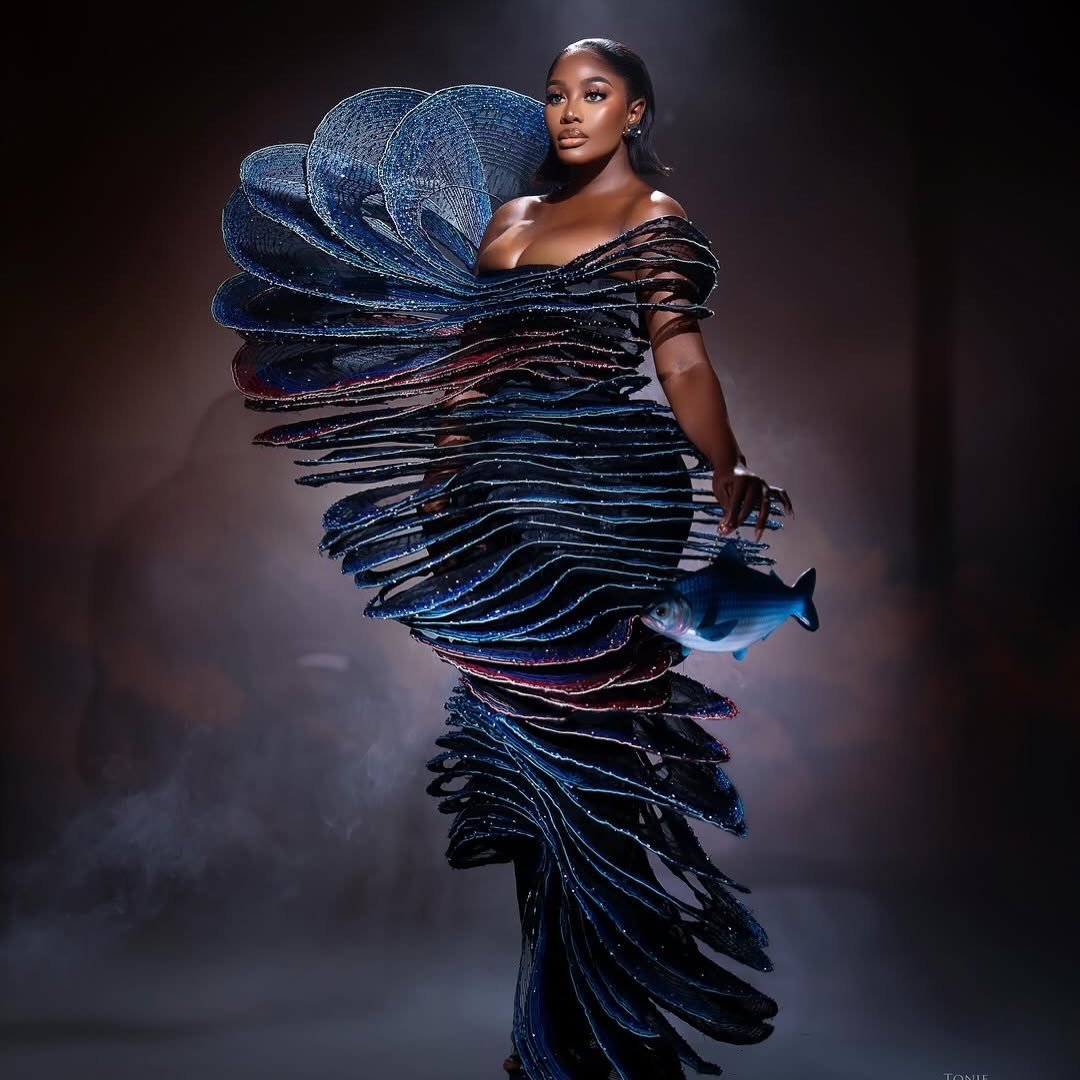
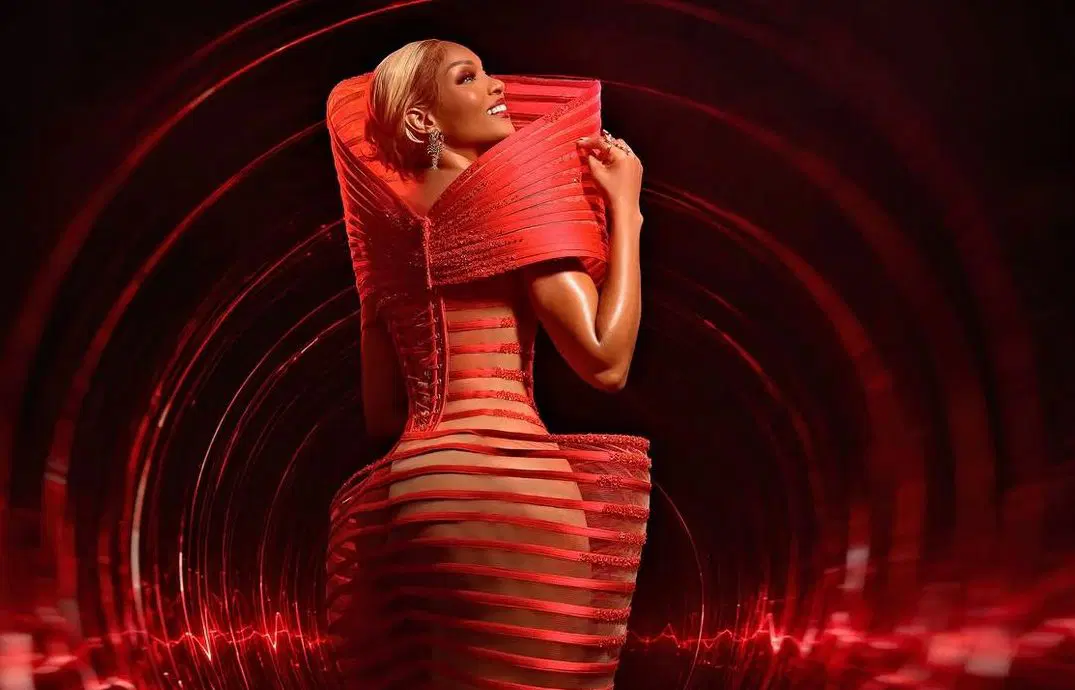
One thing became painfully obvious at AMVCA 2026. Nigerian fashion designers are no longer thinking traditionally. They are thinking sculpturally.
Several outfits completely abandoned normal silhouette rules and embraced exaggerated body structures, impossible proportions, architectural shaping, theatrical framing, and visual illusion.
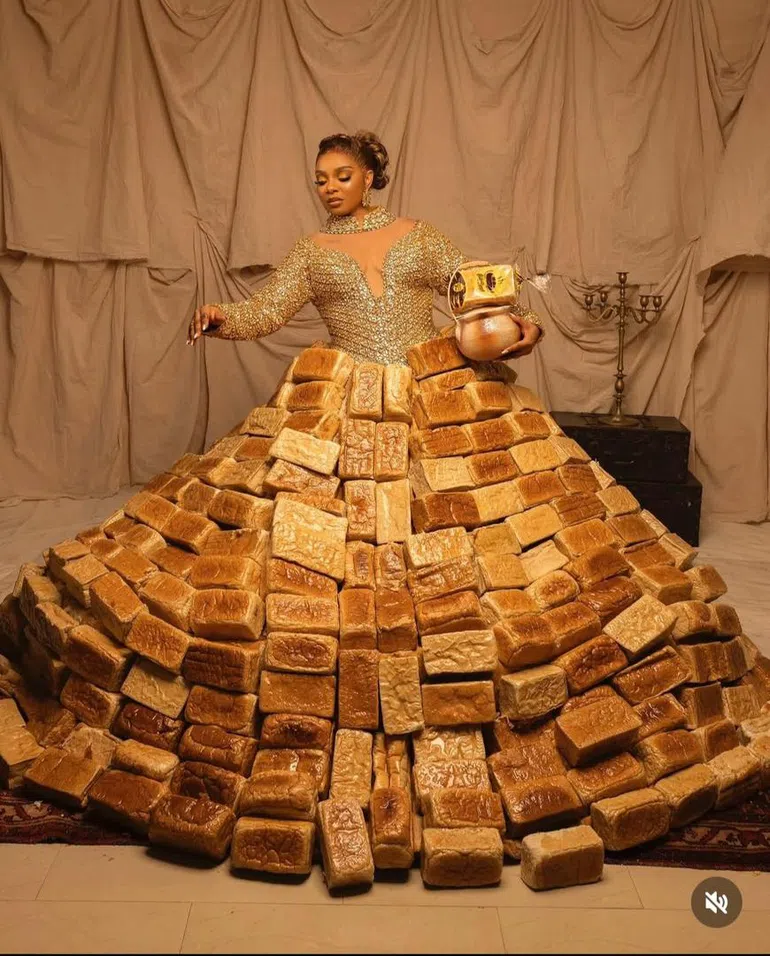
And nobody embodied that chaos more fearlessly than Queen Mercy Atang. The reality TV star arrived wearing one of the most unconventional fashion statements of the night, an oversized conceptual outfit created with more than 500 loaves of bread. Yes. Actual bread.
Designed by celebrity stylist Toyin Lawani of Tiannah’s Empire, the look instantly shut down conversations across the carpet. Accompanied by maidens carrying trays of bread and assistants helping manage the dramatic structure, the appearance felt less like a red carpet entrance and more like live performance art unfolding in real time.
While many social media reactions focused on the shock value, Queen Mercy later explained the deeper intention behind the concept. The outfit was created to promote her bread business. “What better place to advertise my business than the AMVCA?” she reportedly said.
Honestly, whether people loved it, hated it, or stared at it in confusion, the outfit achieved exactly what true art is supposed to do. It forced conversation.
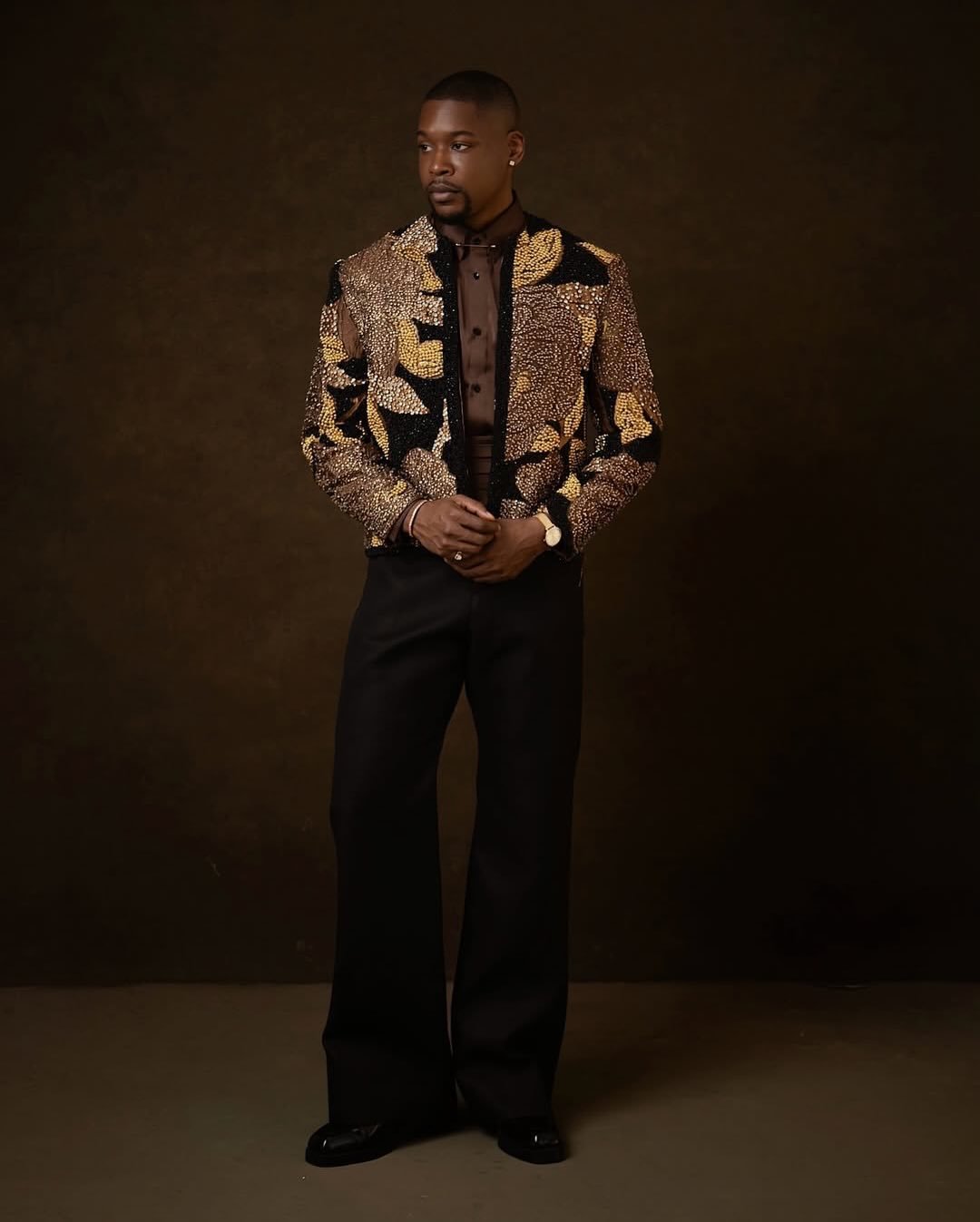
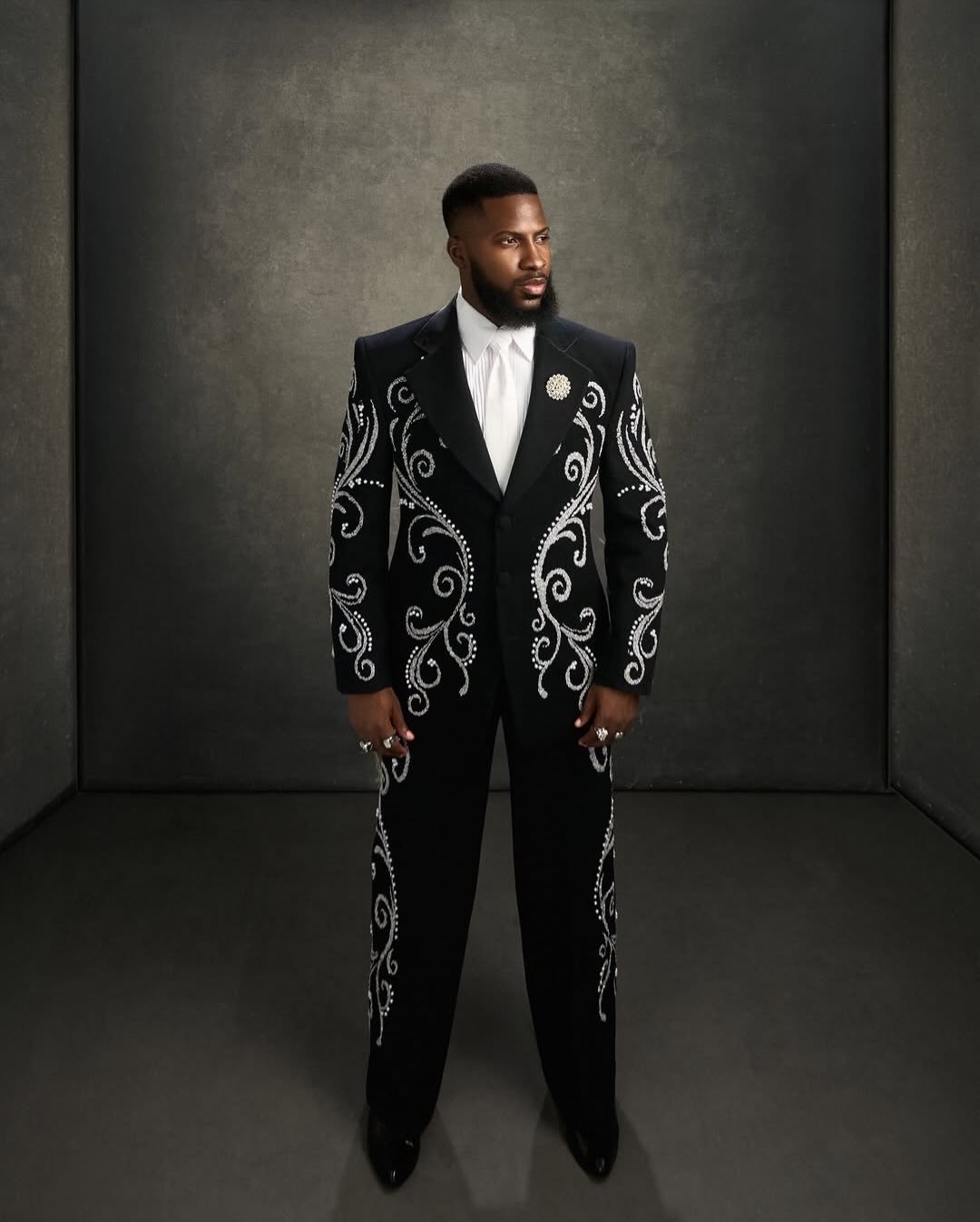
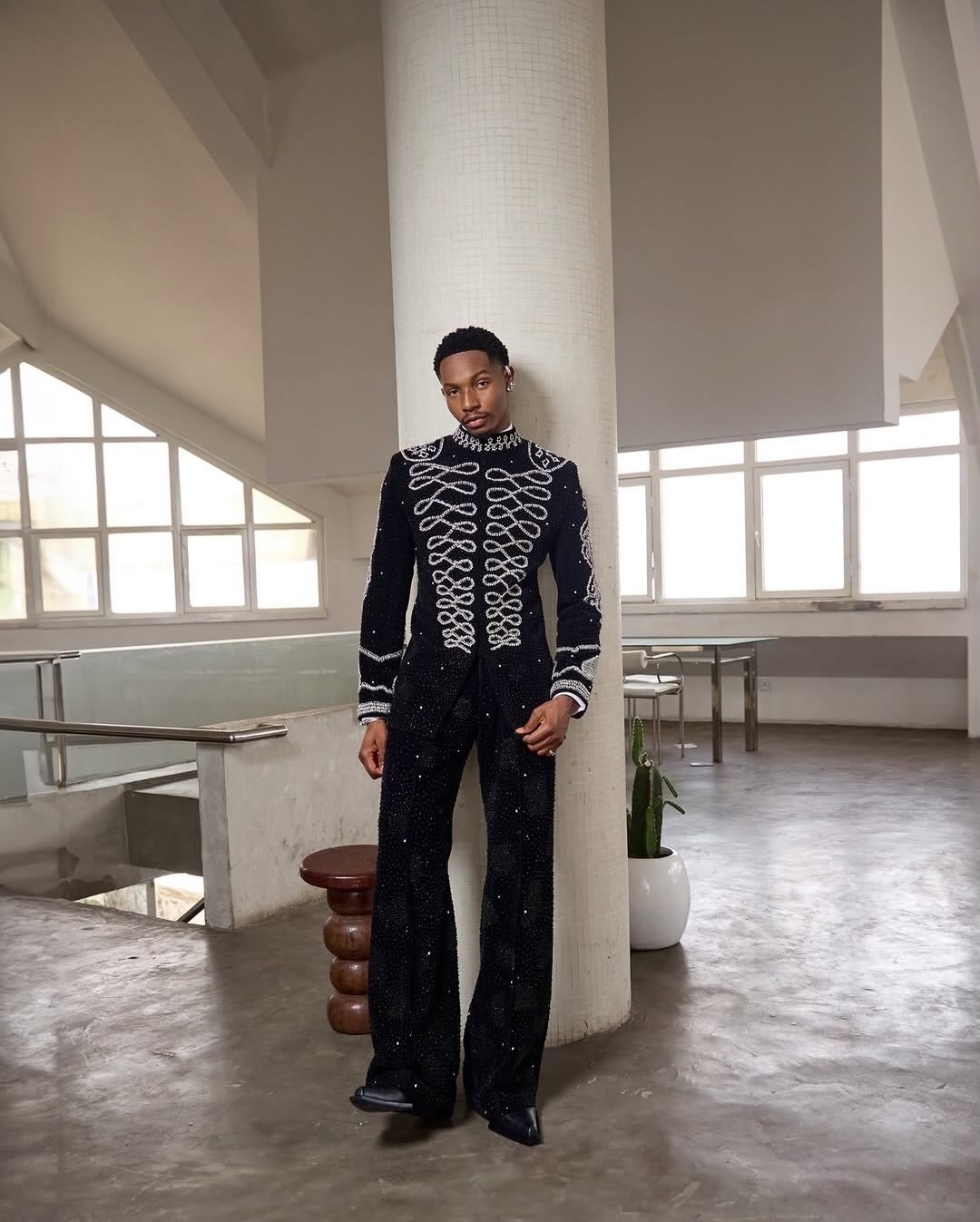
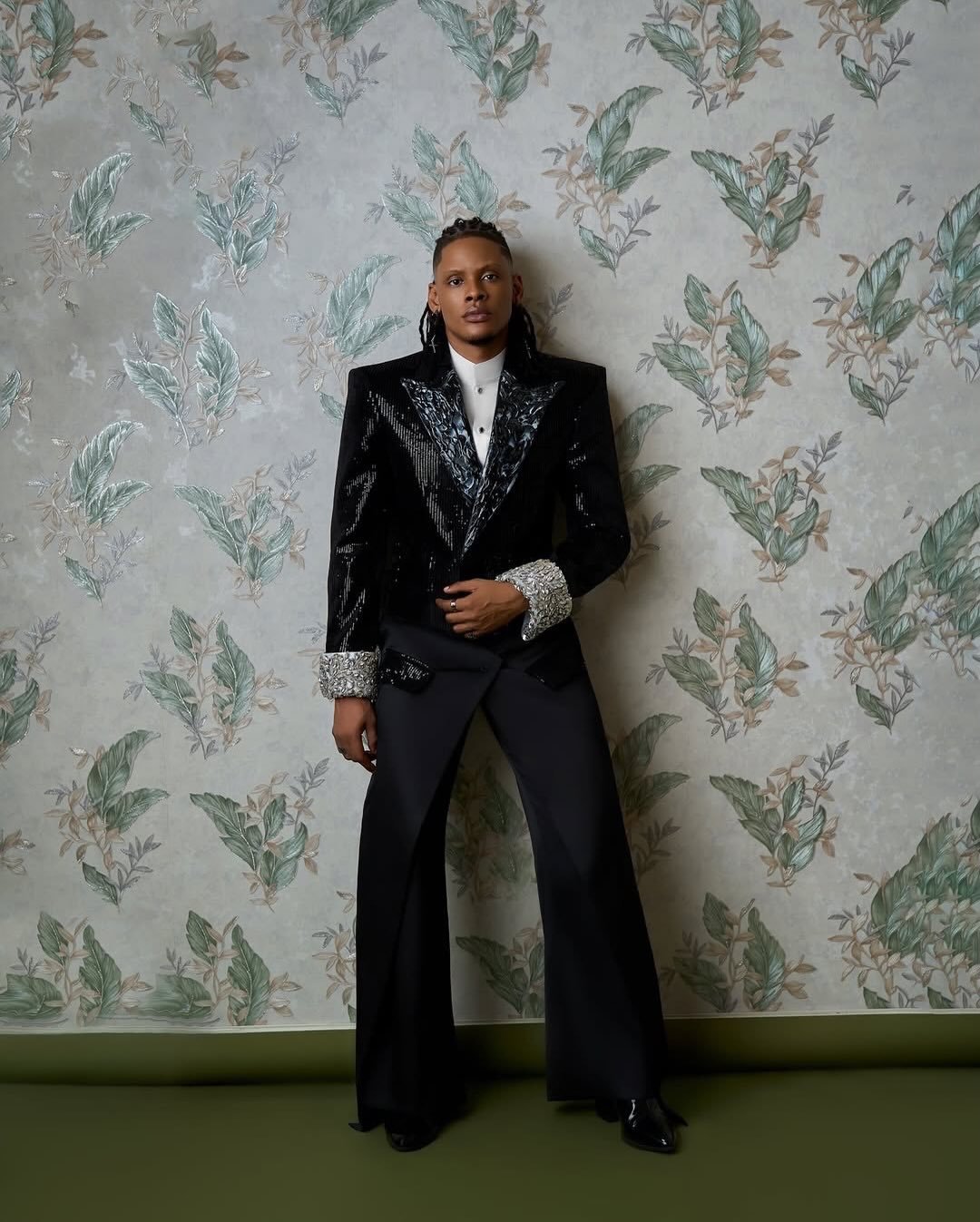
The Men Refused To Be Basic Too
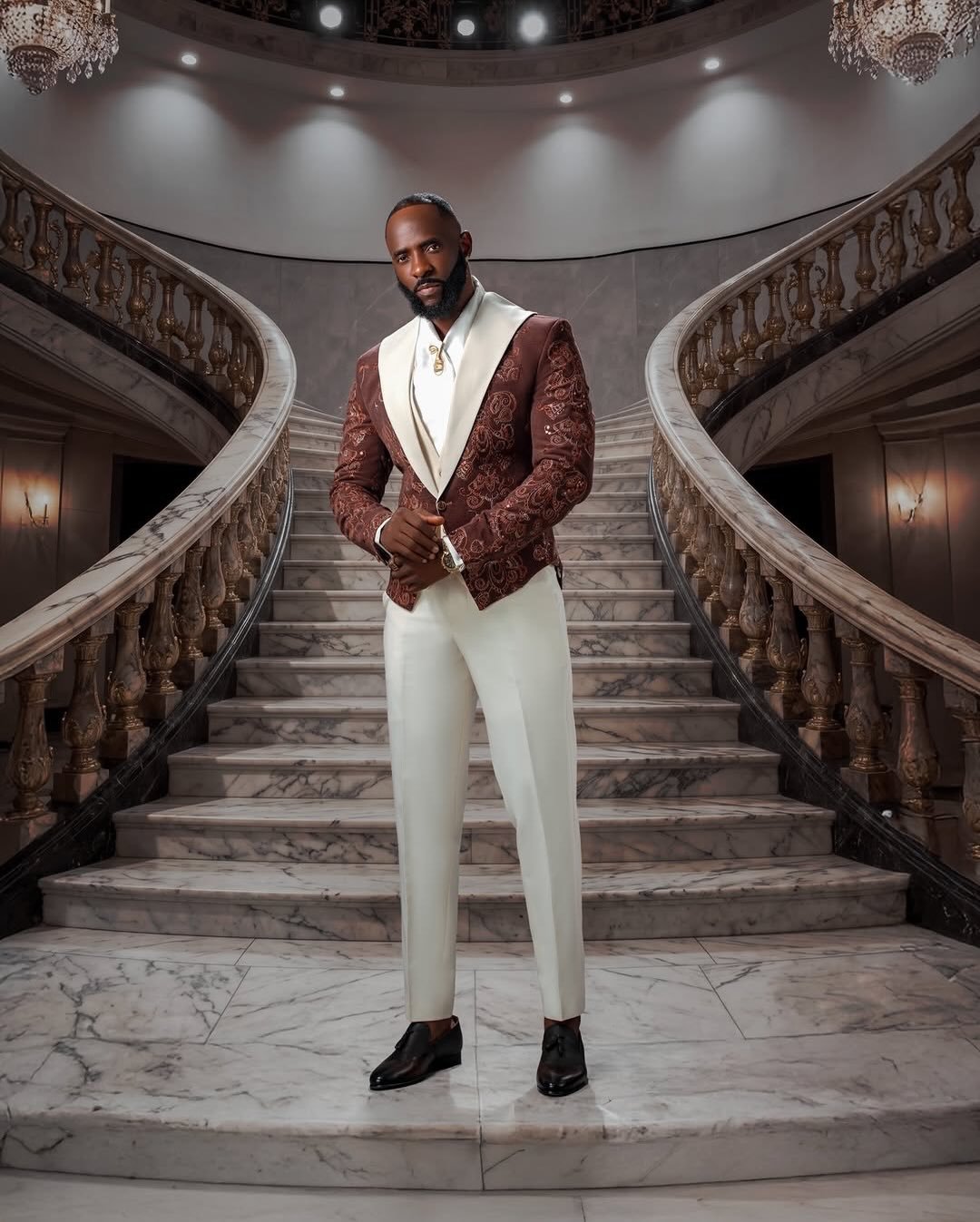
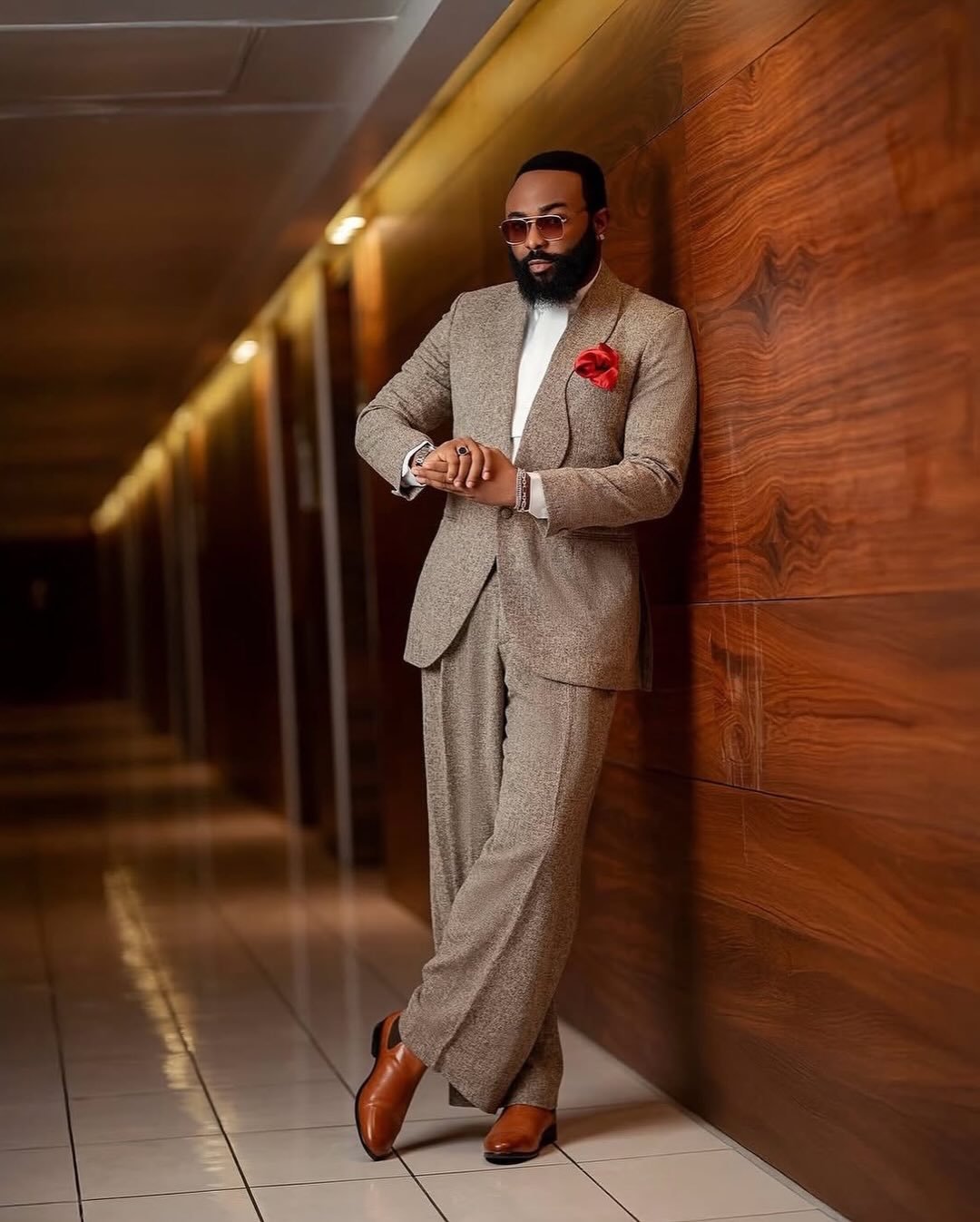
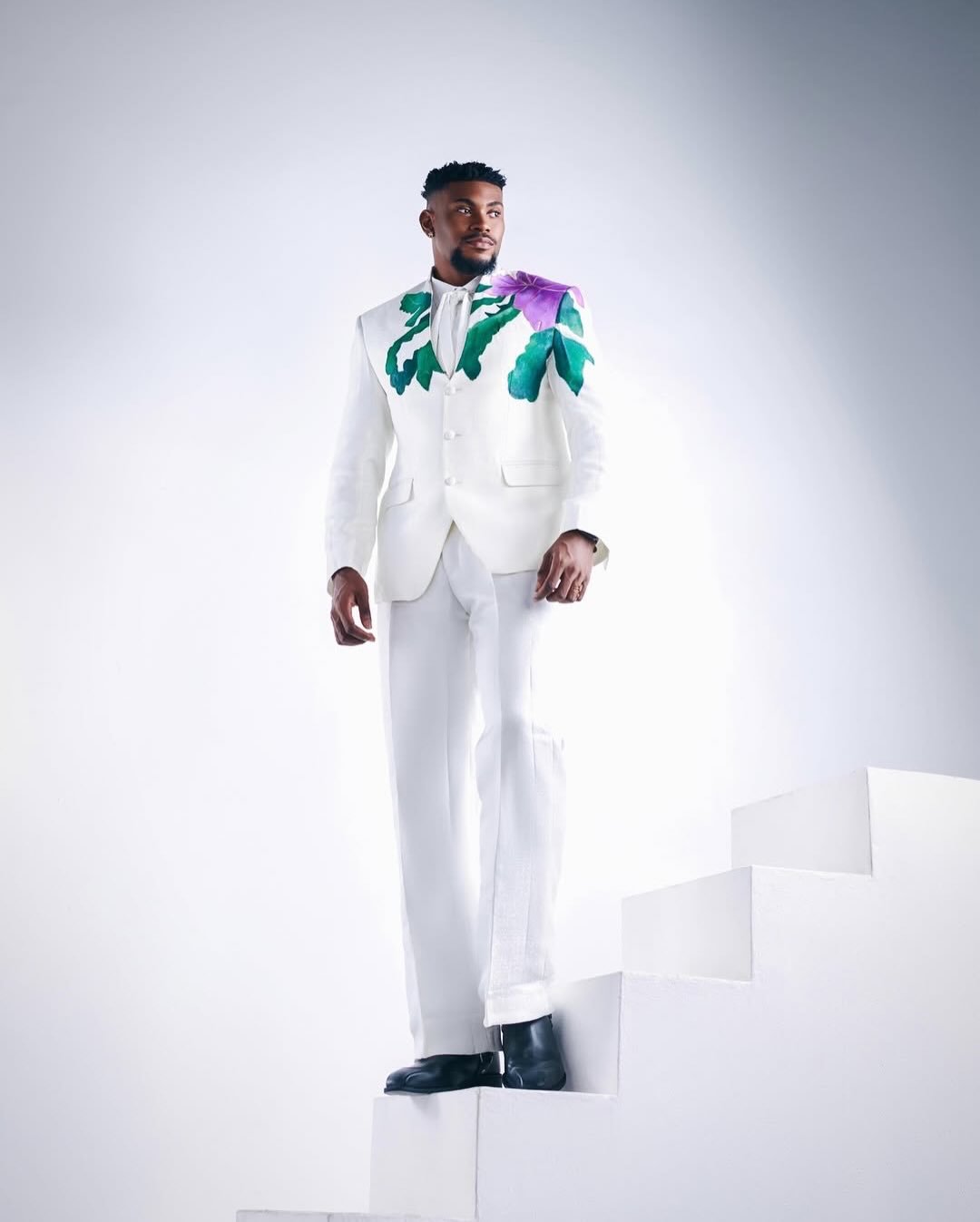
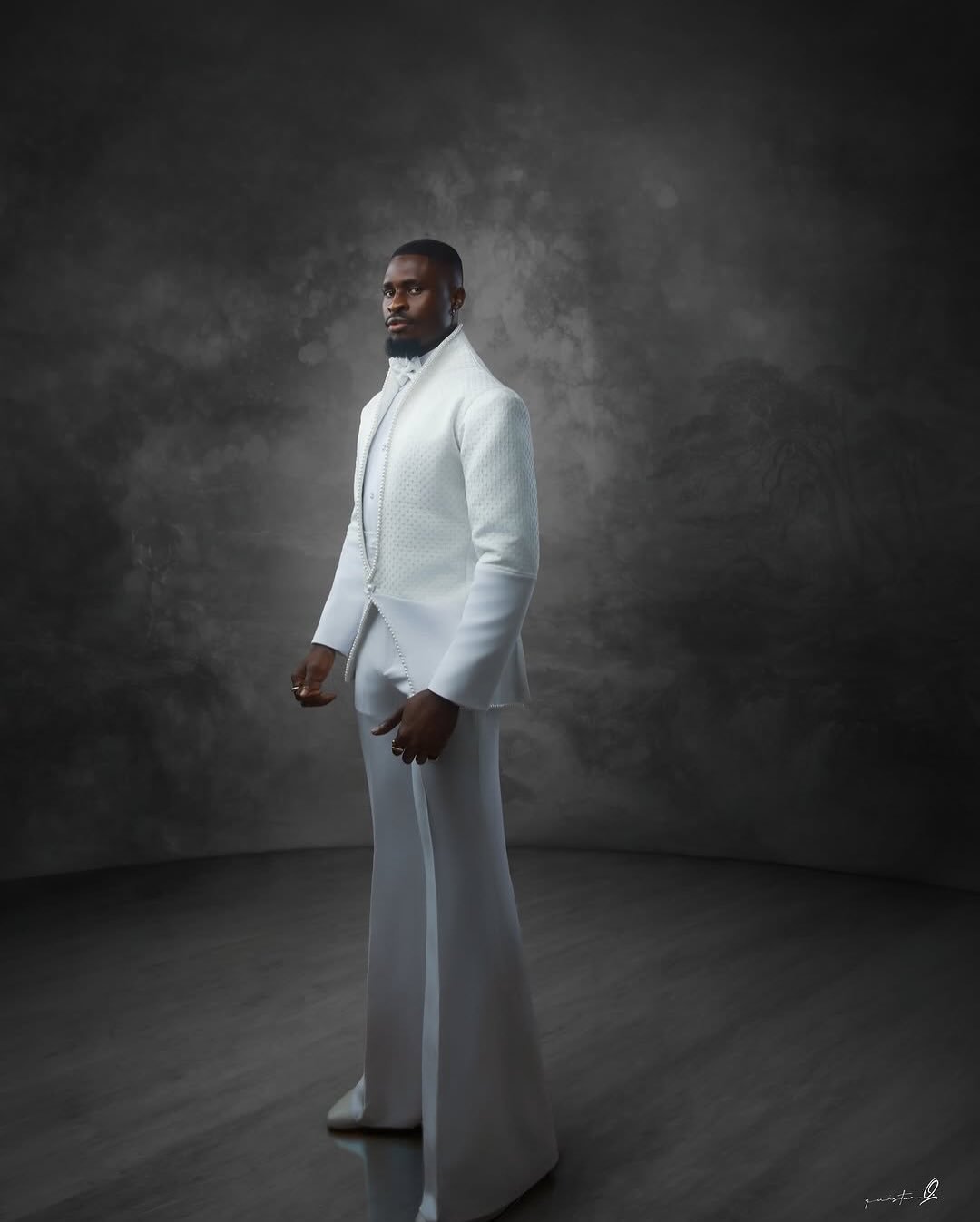
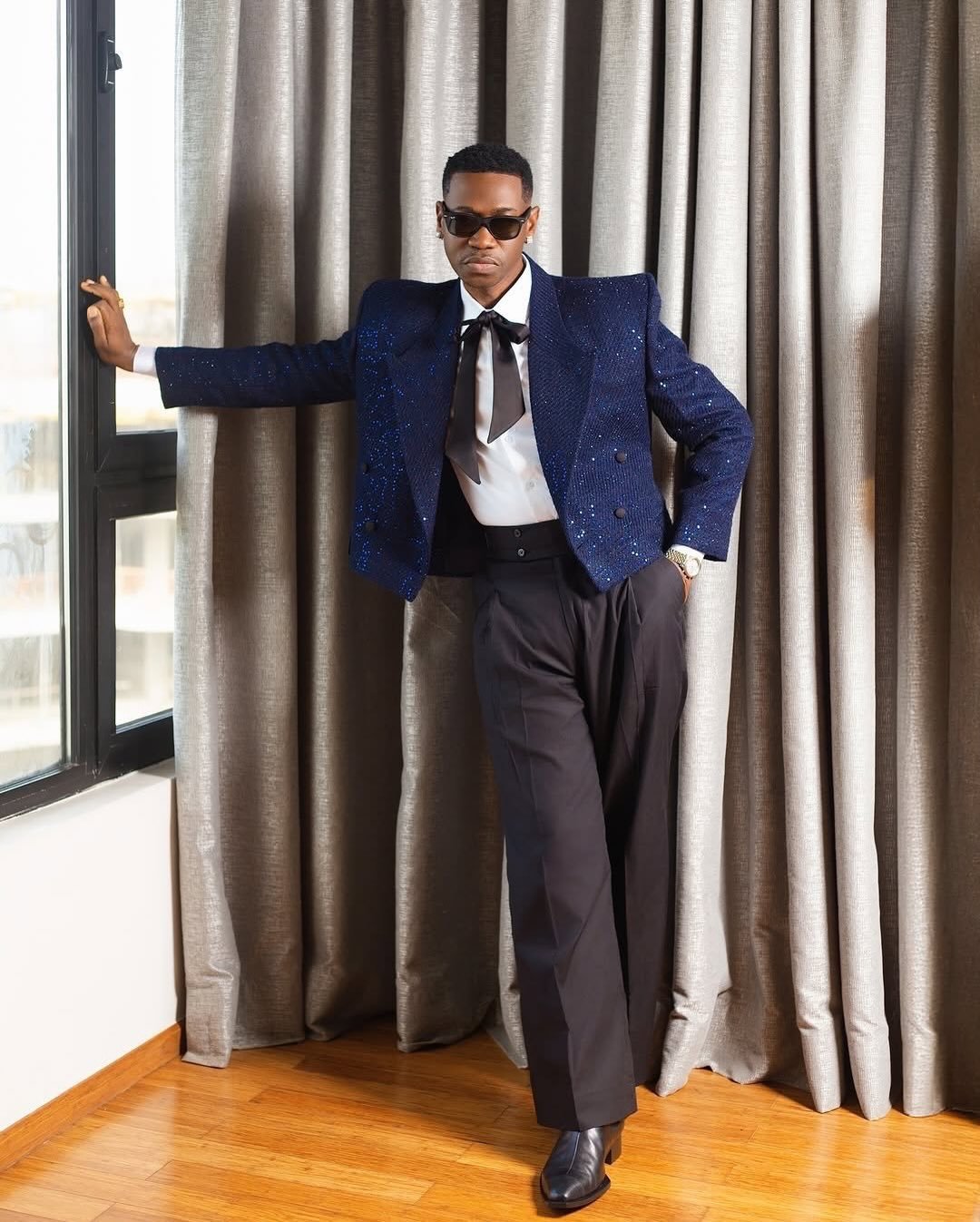
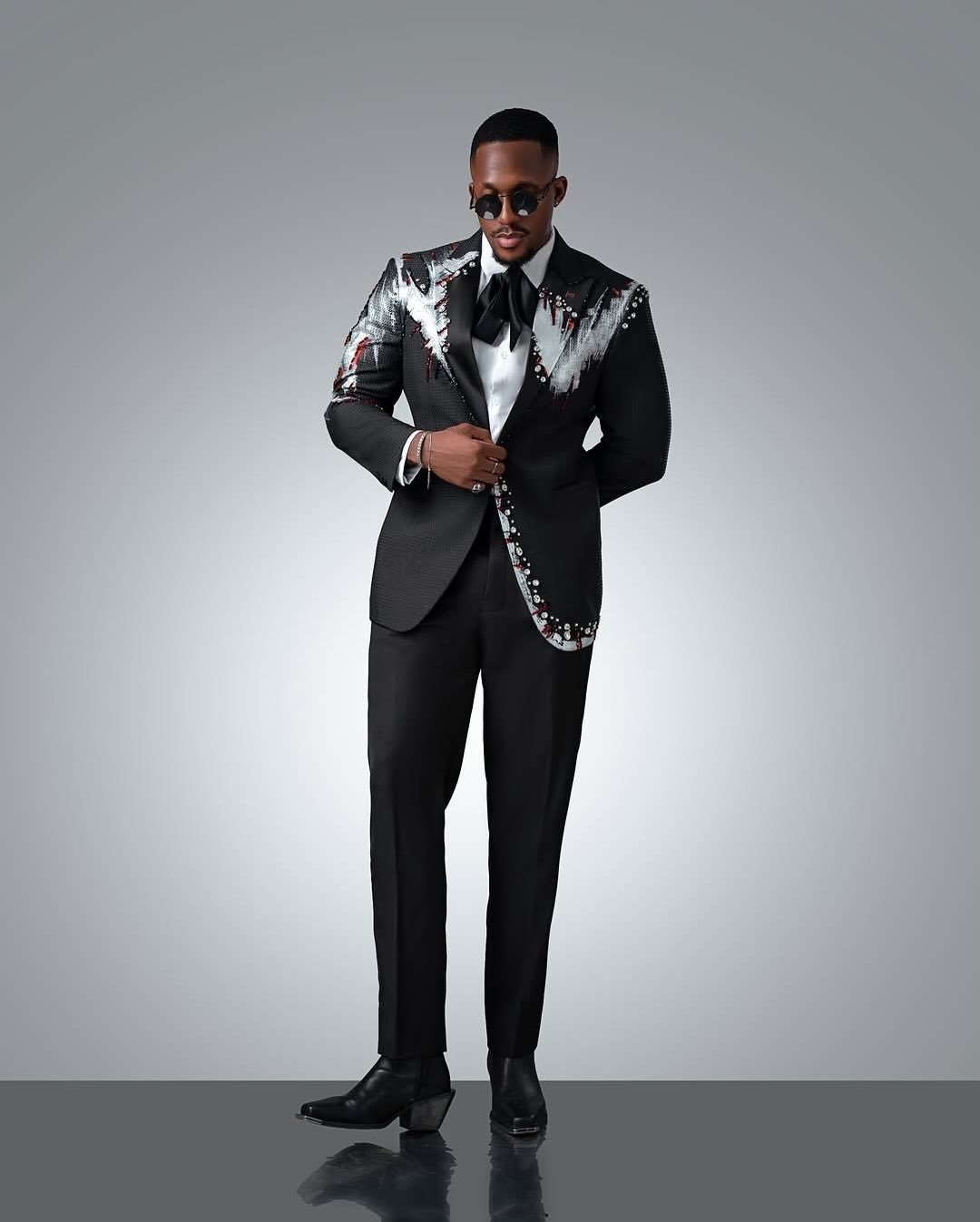
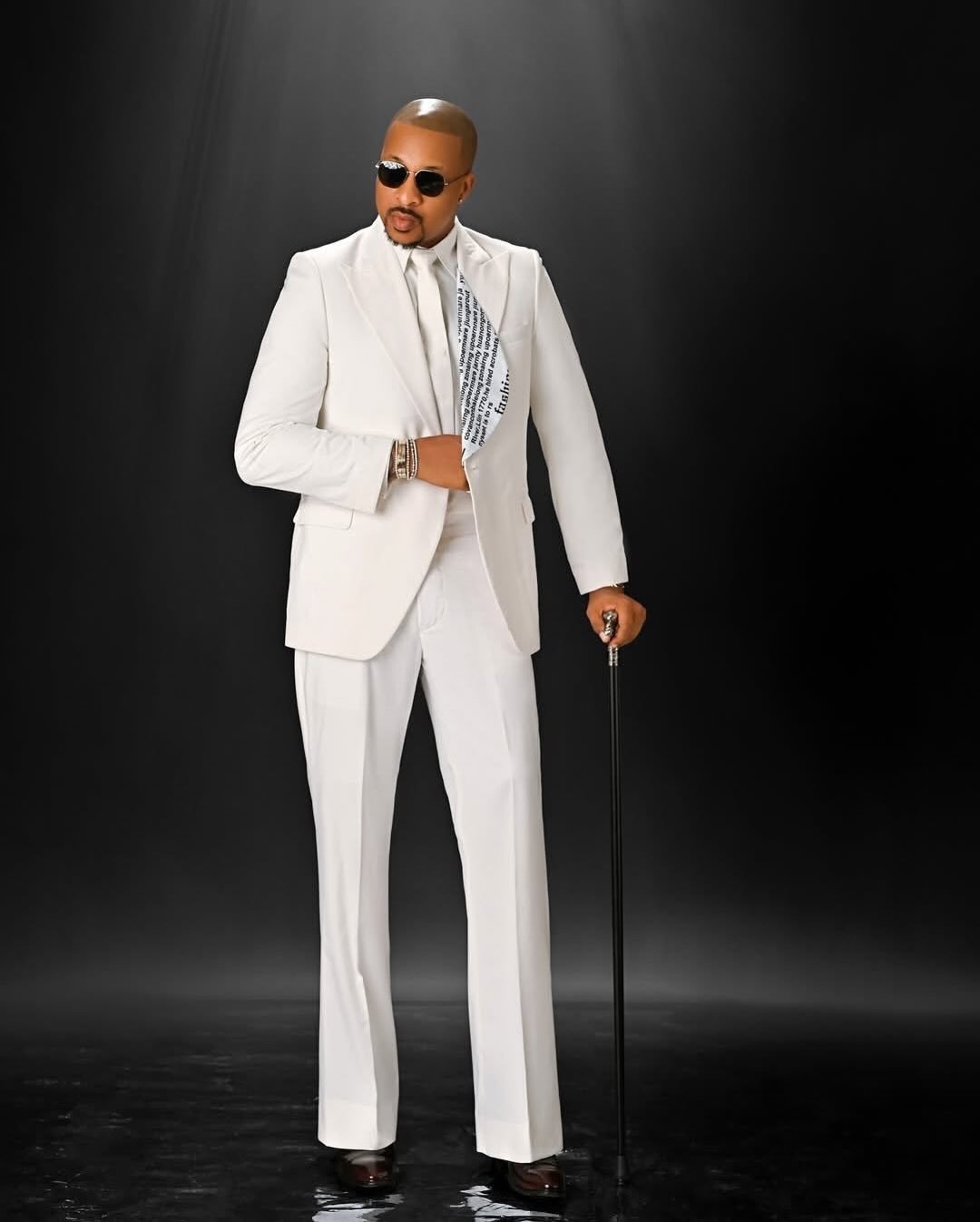
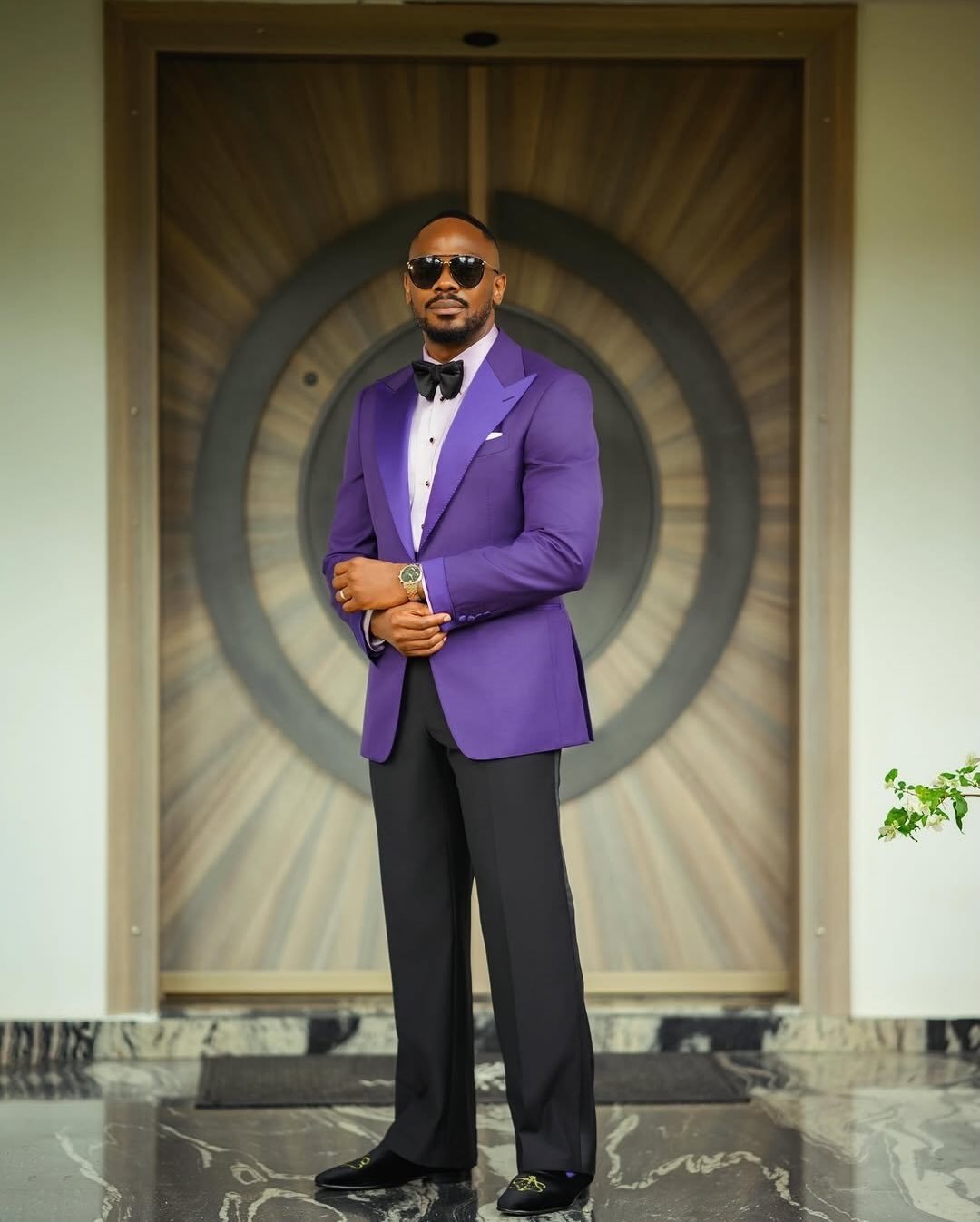
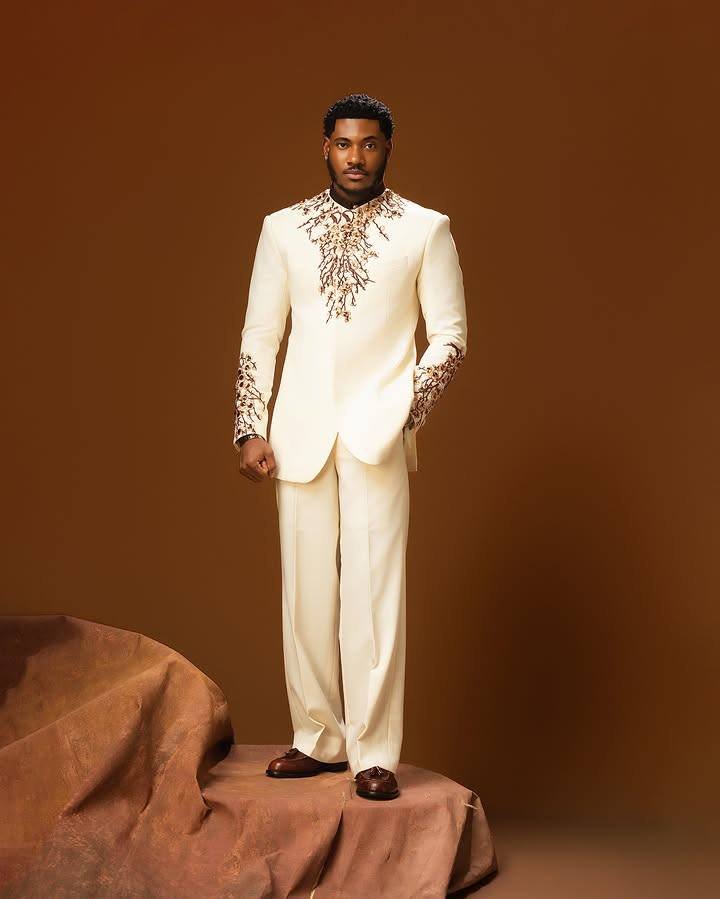
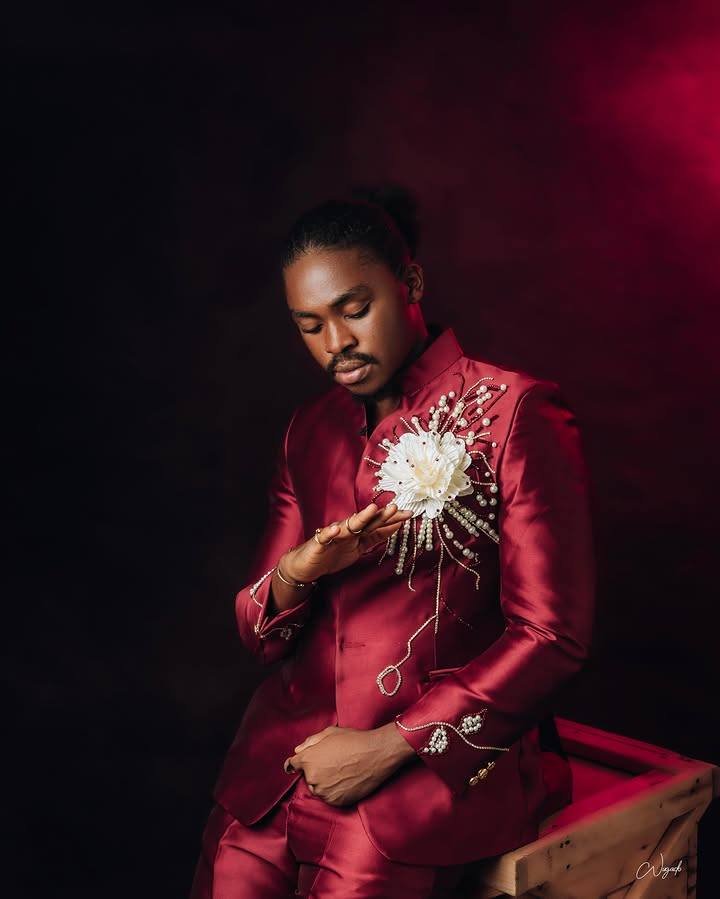
Usually, male red carpet fashion gets trapped inside safe tailoring and predictable tuxedos. Not this year. The men at AMVCA 2026 arrived with cinematic energy.
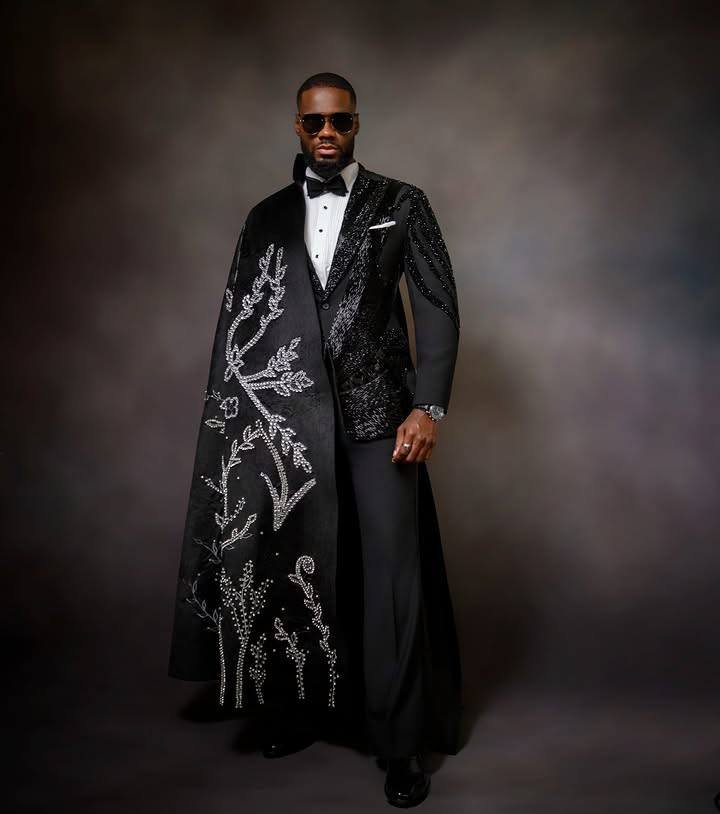
Kanayo O. Kanayo described his outfit as “ripping in godfatherism, old money and tailored mafia,” and honestly, that description fit perfectly. Styled by Prinz Innovation, the veteran actor leaned fully into his legendary screen persona, wealthy, intimidating, powerful, and calculated. The look carried the aura of an African political kingmaker stepping out of a private boardroom in a crime thriller.
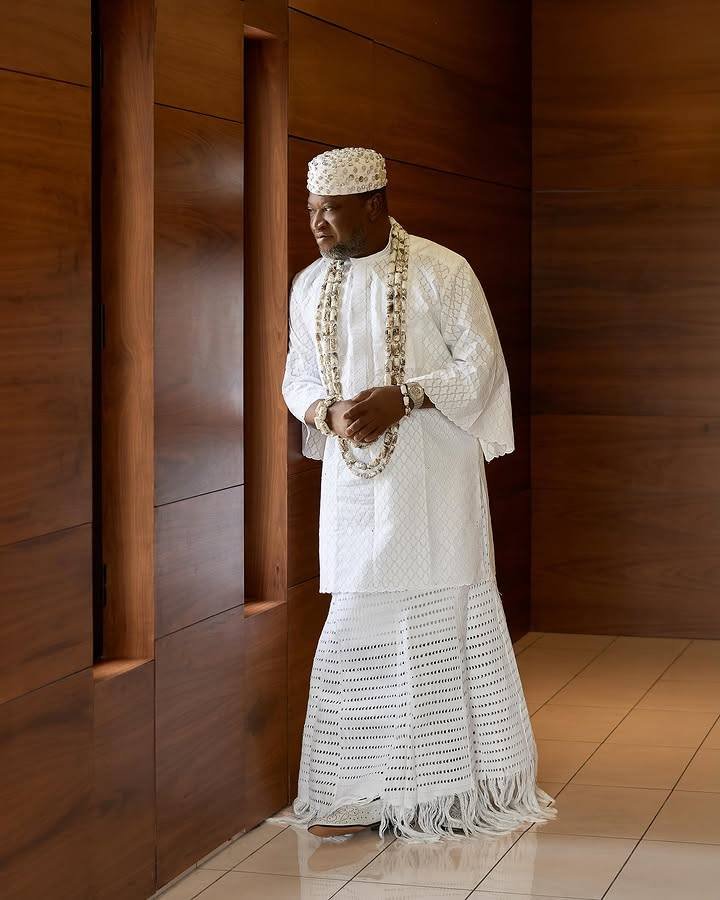
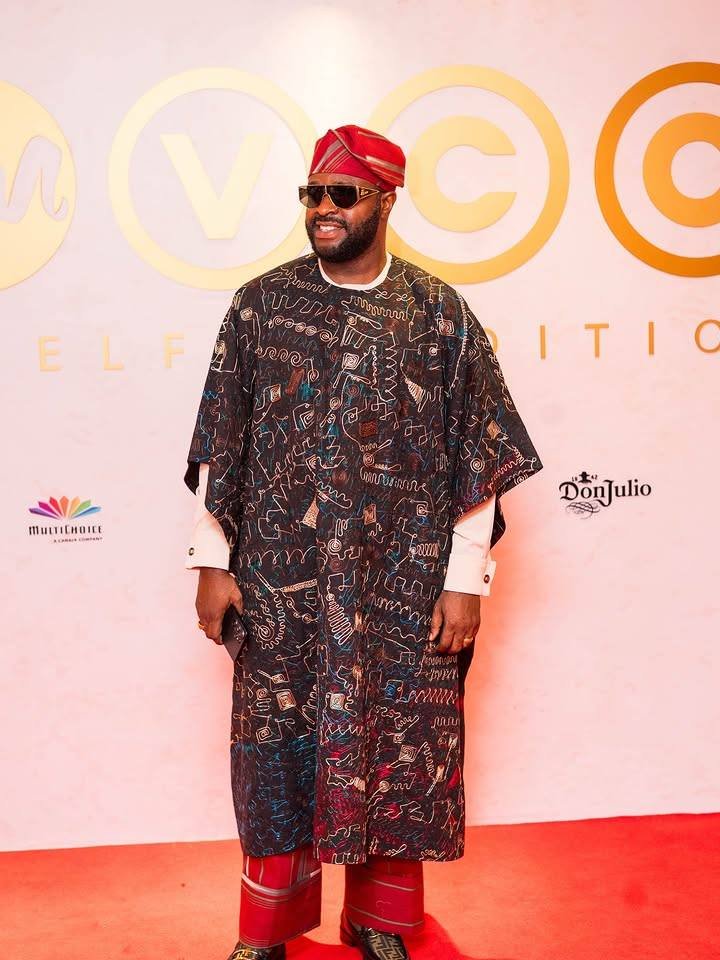
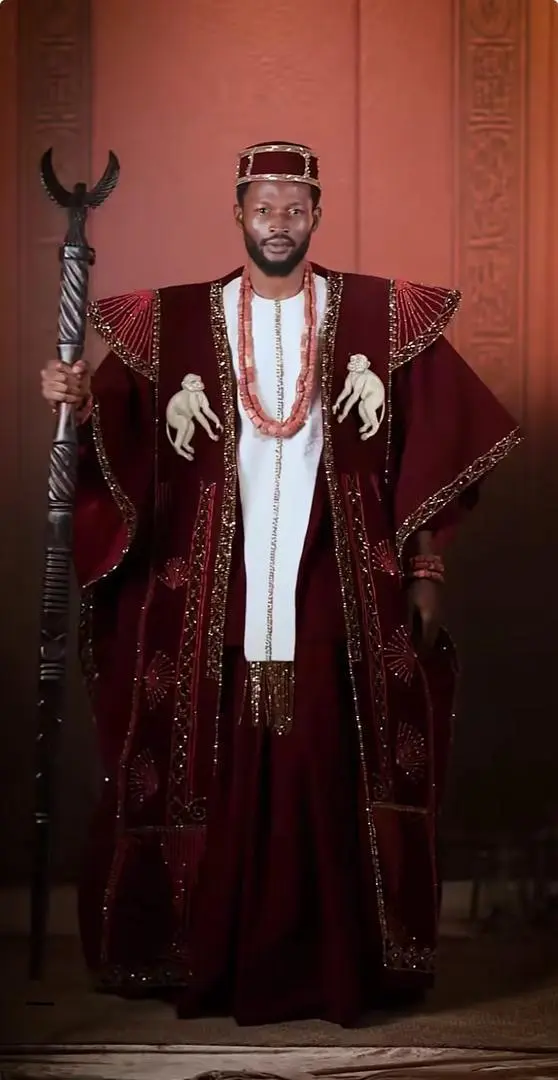
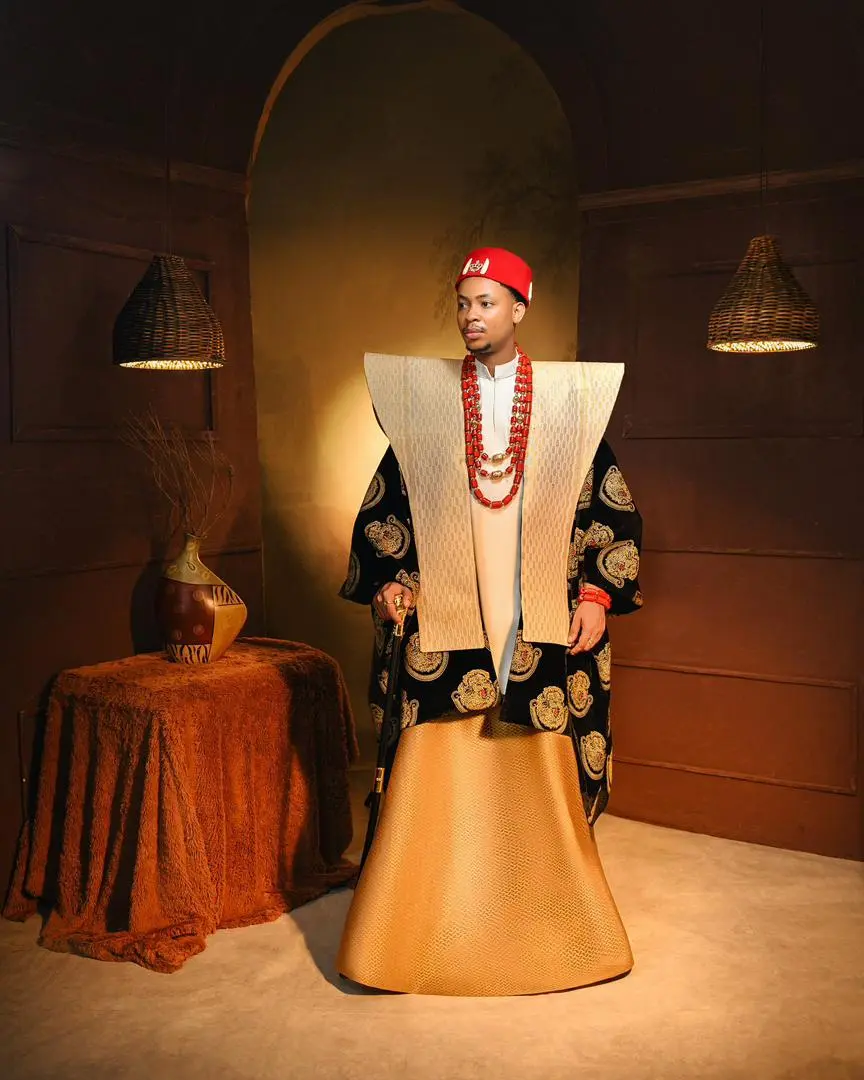
Then came Tobi Bakre, who transformed the carpet into a Yoruba royal court. Dressed in regal agbada designed by Deji and Kola, complete with a custom brass staff, Tobi looked less like a celebrity guest and more like royalty arriving for coronation.
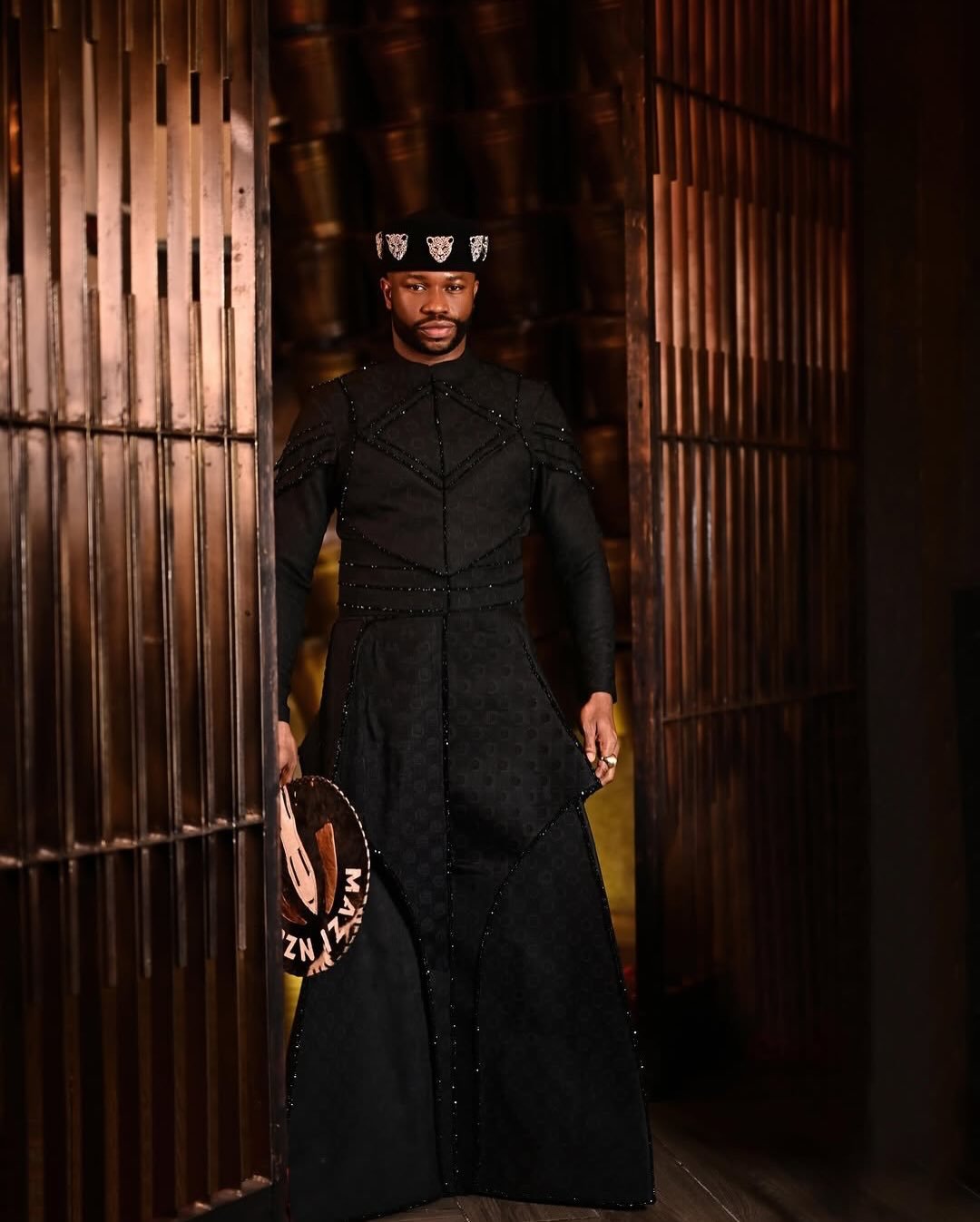
Stan Nze stayed rooted in cultural symbolism with a sharply tailored black traditional ensemble styled by AMDIDDY. His engraved Akupe Igbo hand fan made from horse skin immediately elevated the look beyond ordinary menswear.
Everything about his appearance carried identity. Not costume. Identity. And that distinction matters deeply. Because costumes imitate culture. But these outfits embodied culture.

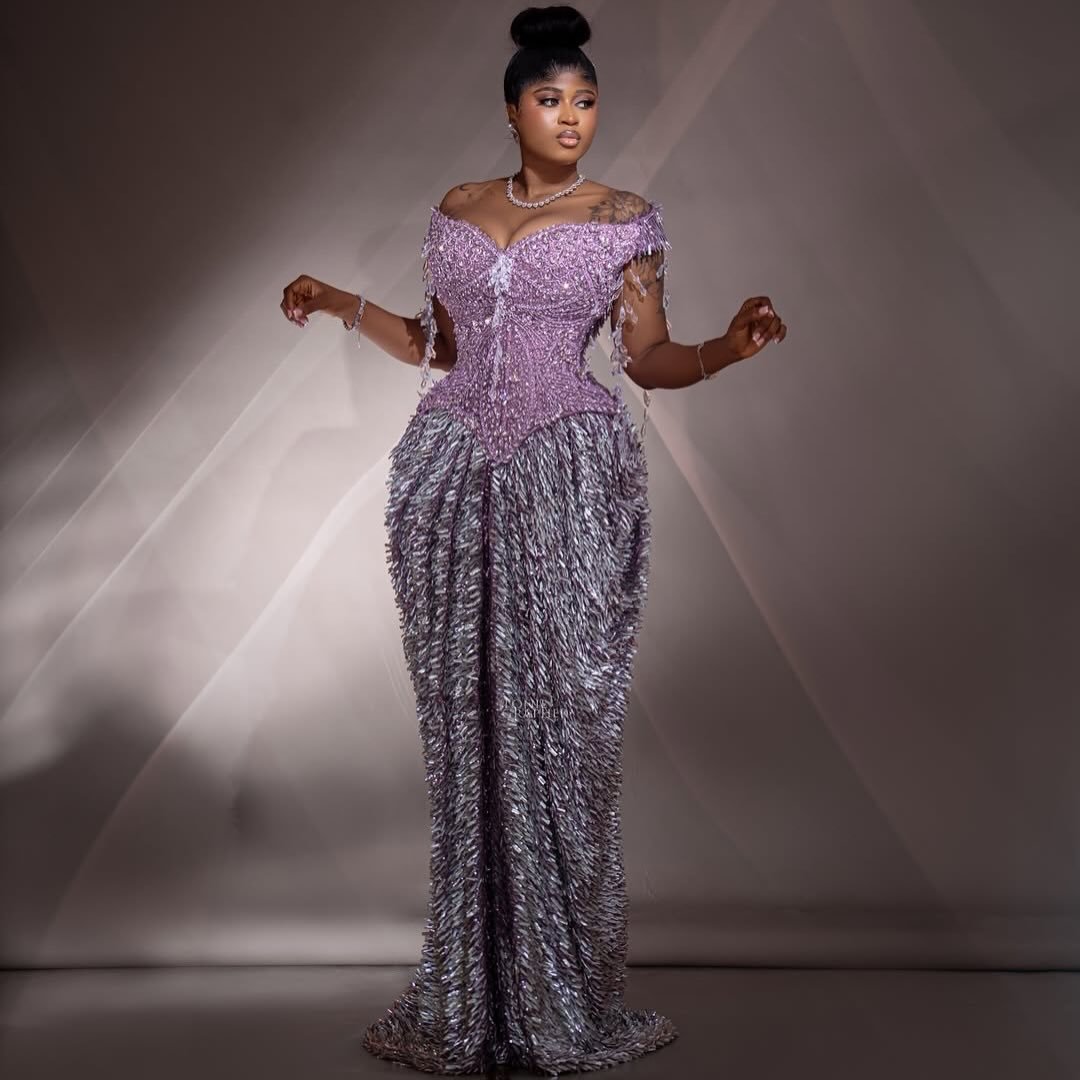
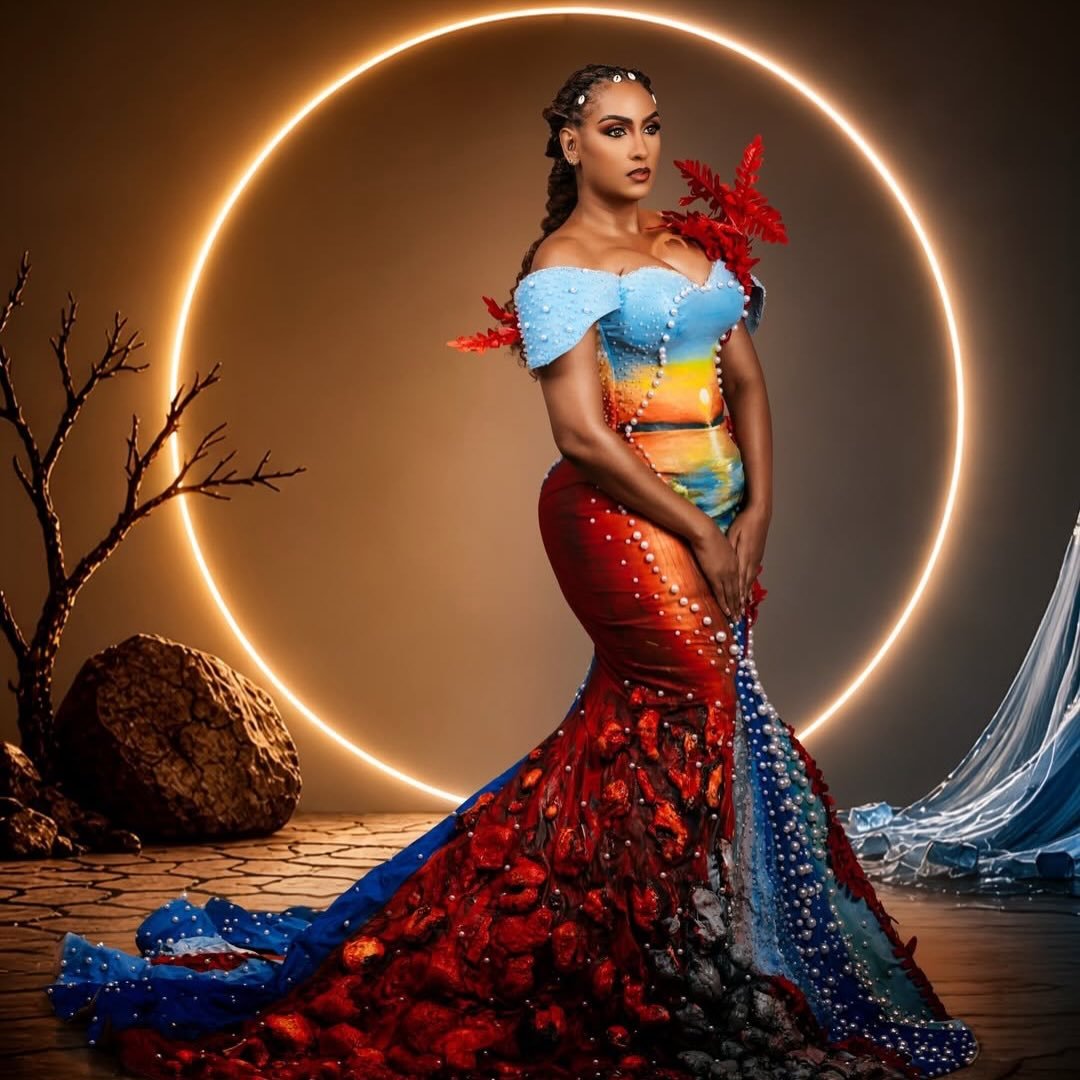
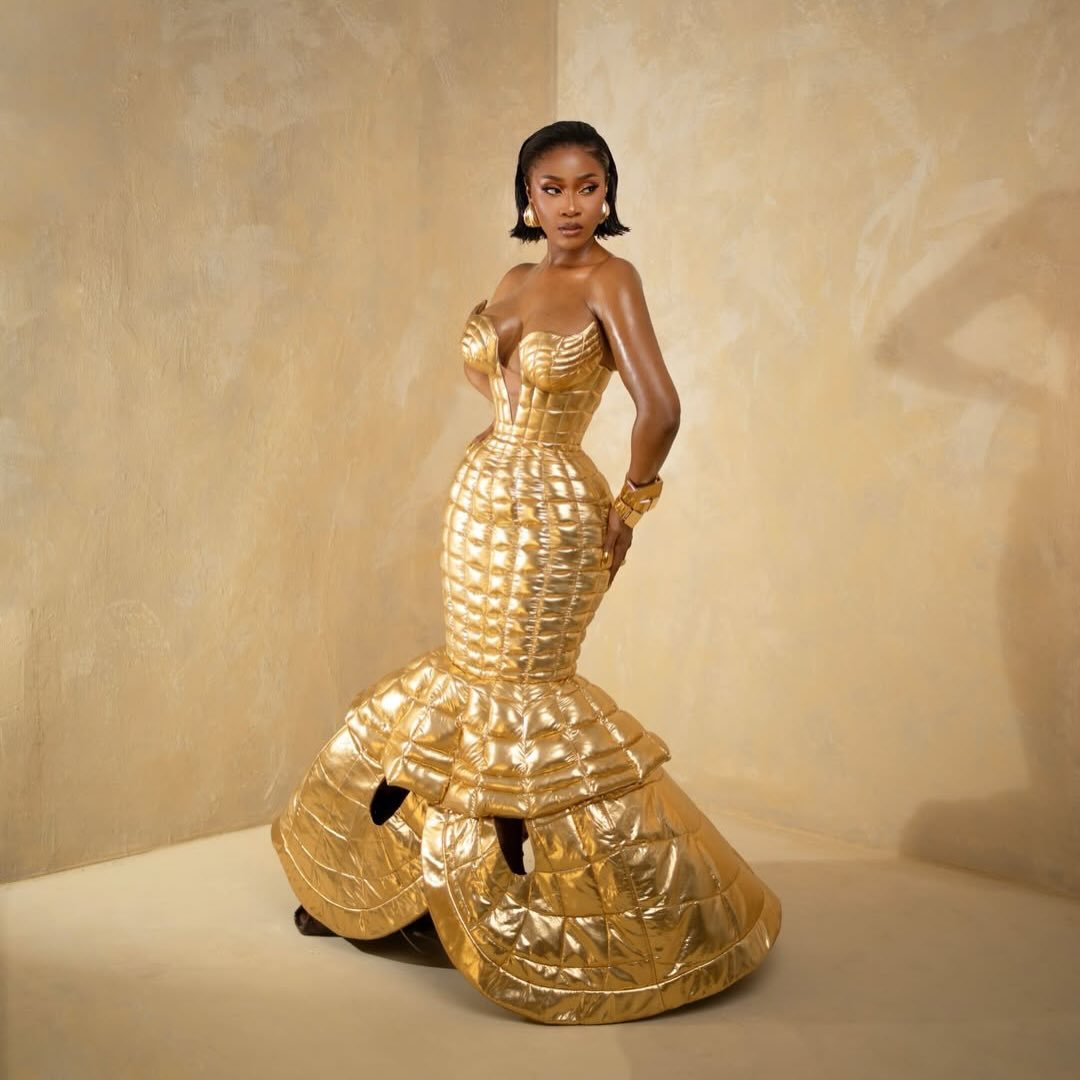
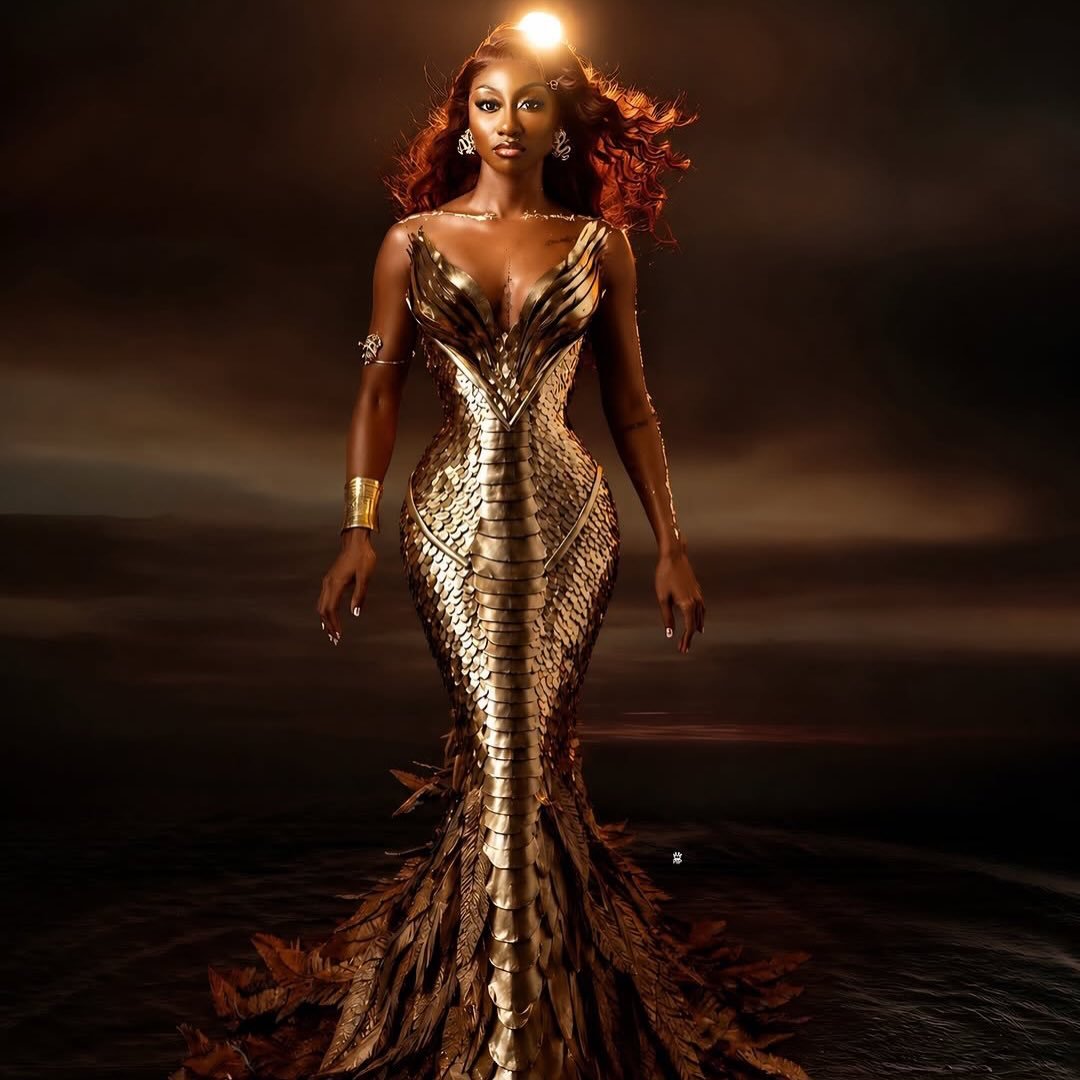
Fashion Became Cinema
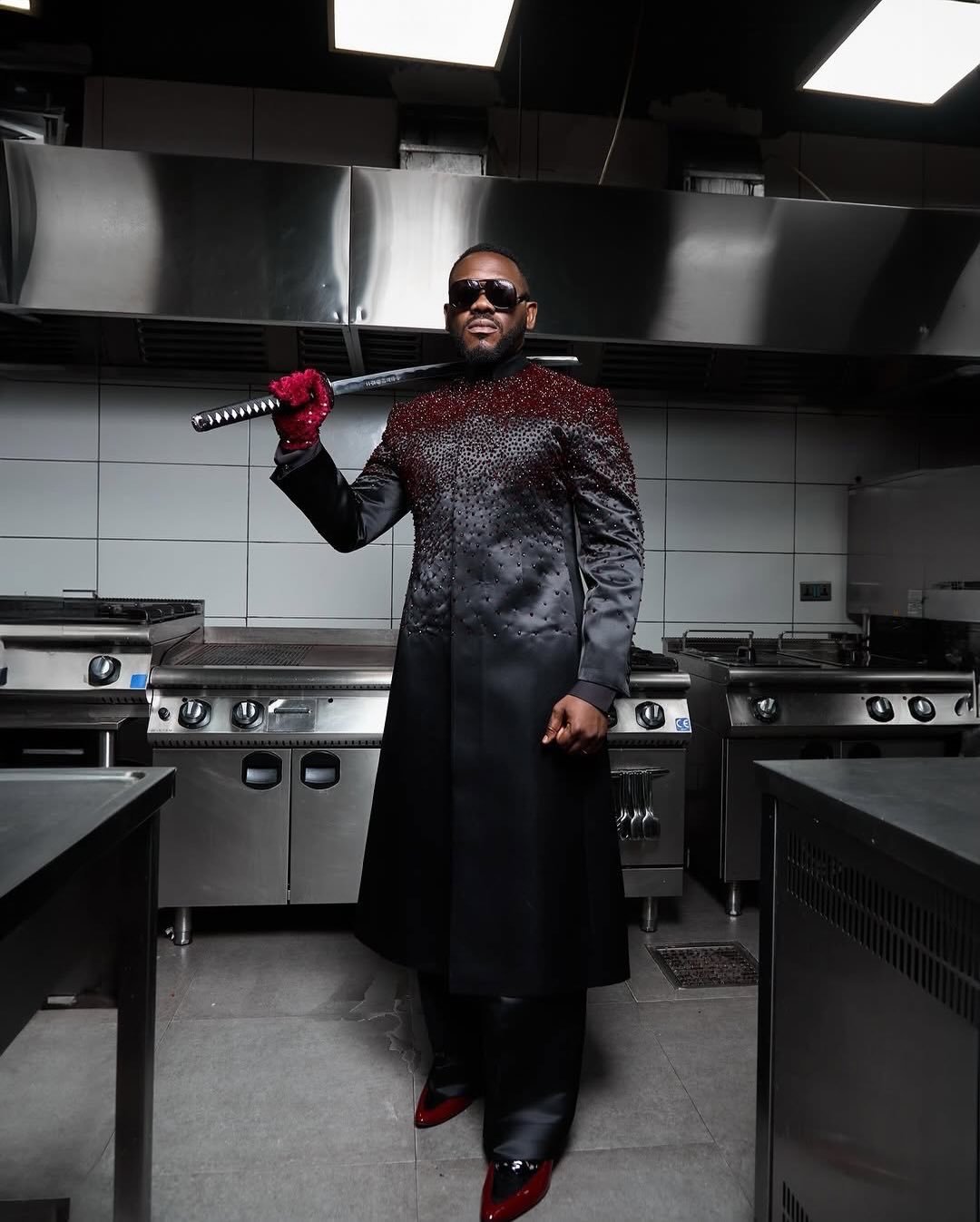
Some of the strongest AMVCA outfits felt like characters pulled directly from fantasy films. Deyemi Okanlawon arrived in a dramatic Deji and Kola ensemble that looked like luxury villain energy brought to life. The floor length black coat, crystal blood red embellishments, satin gloves, patent leather shoes, dark sunglasses, and katana resting casually on his shoulder made him feel less like a red carpet guest and more like the lead character in a futuristic African action film. Dangerous, elegant, controlled.
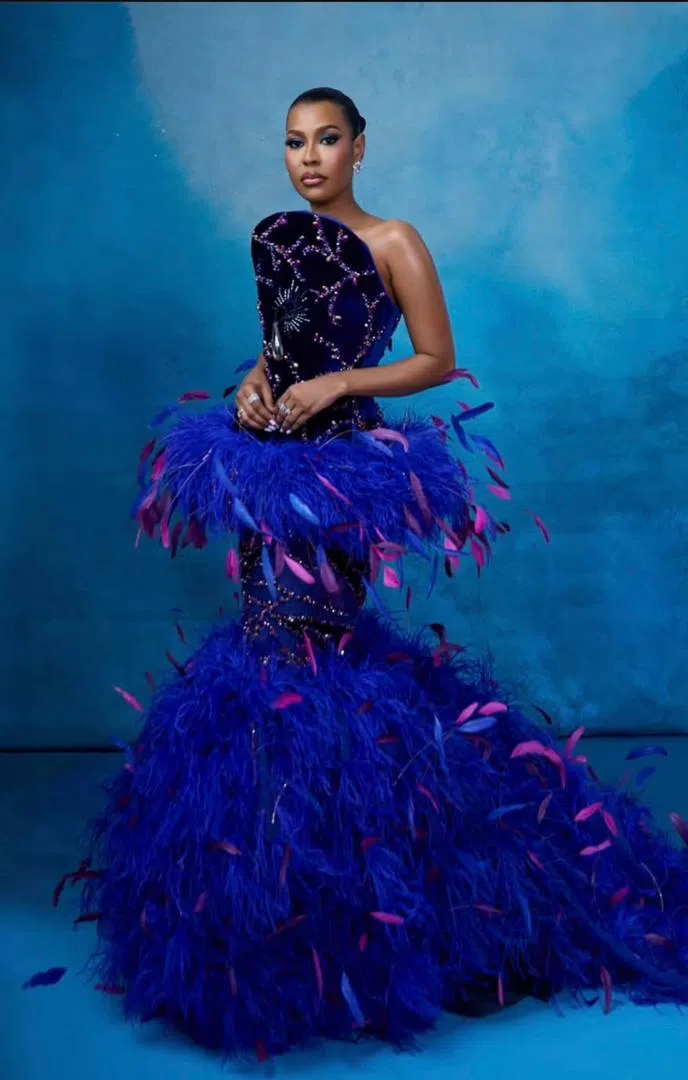
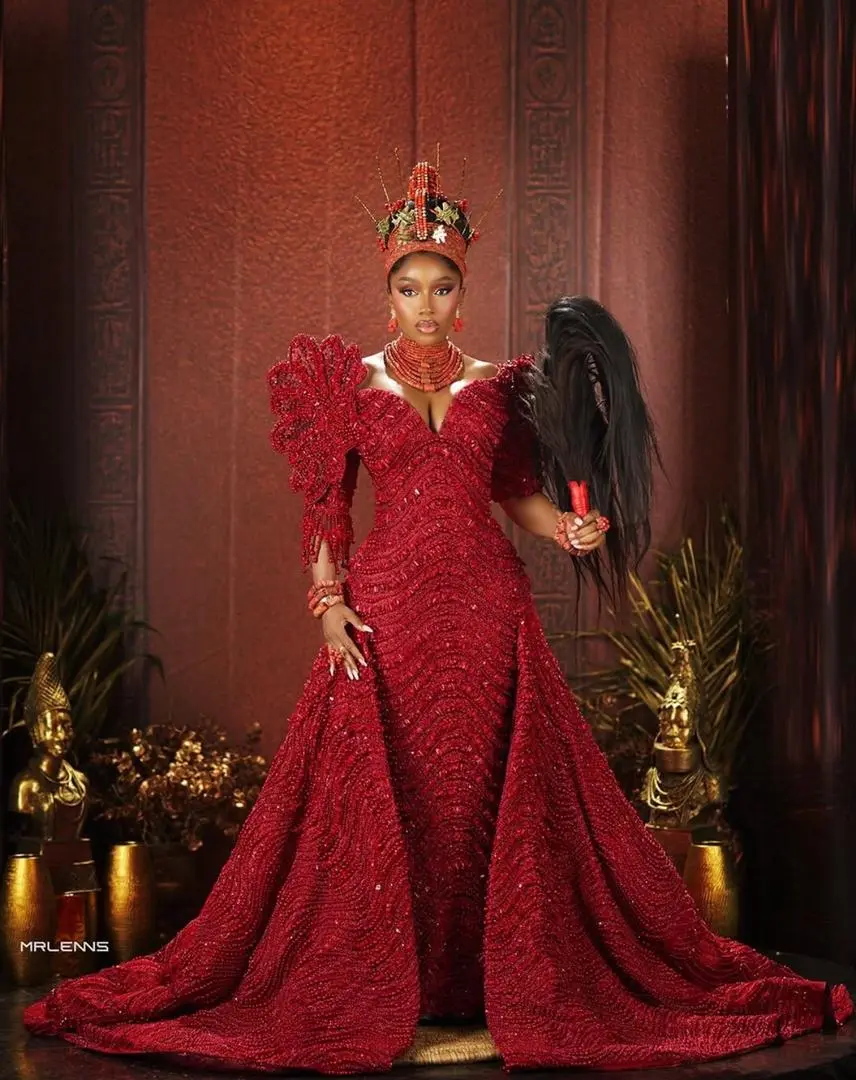
Then there was Uche Montana, recipient of the Trailblazer Award, who delivered one of the night’s strongest feminine statements in a breathtaking red TUBO creation. The sculpted bodice shimmered with gold beadwork and sequins while dramatic feather structures exploded downward into a sweeping train that moved like fire across the carpet. The dress felt alive.
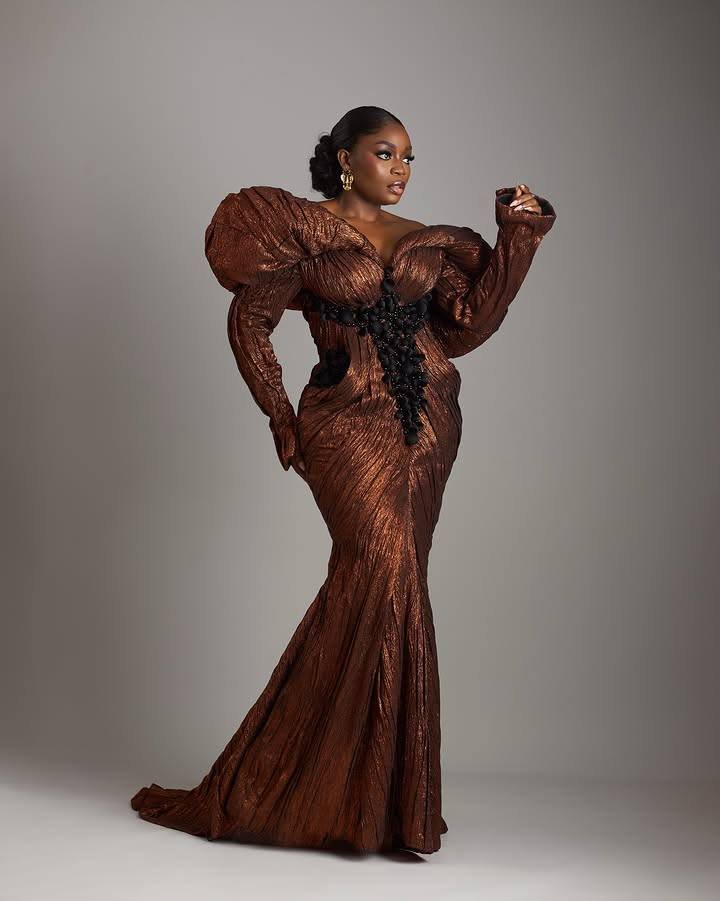
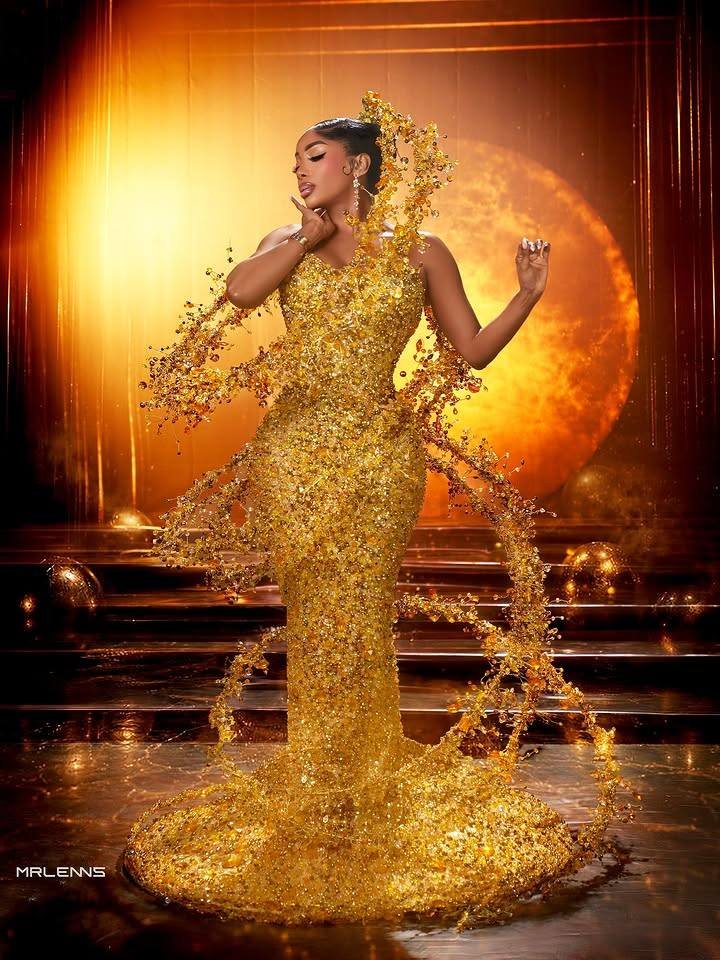
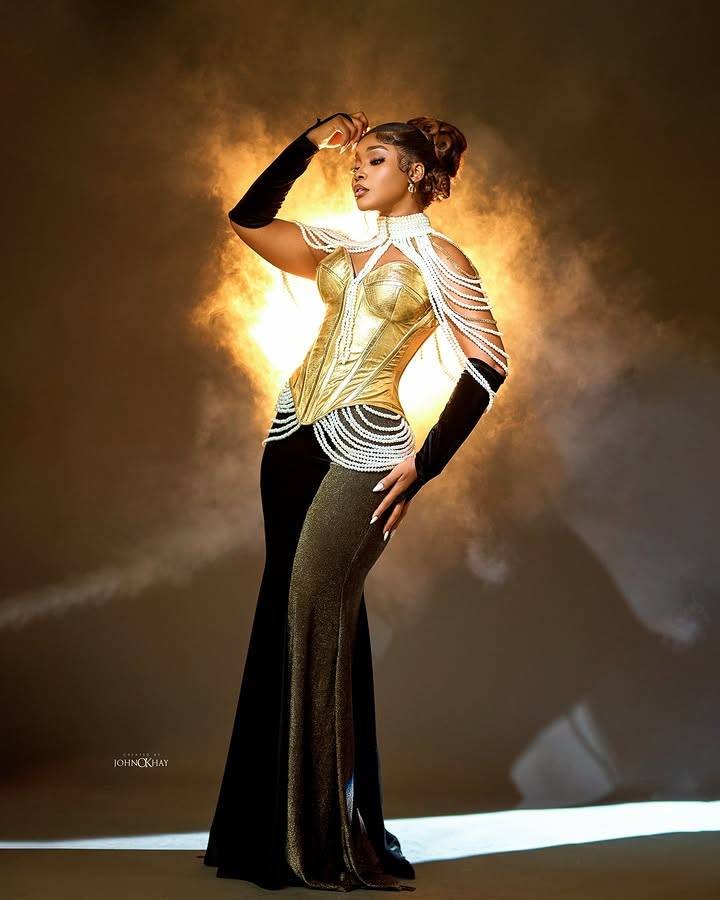
At another point in the night, Chioma Ikokwu completely blurred the line between couture and sculpture. Her Amy Aghomi masterpiece unfolded like molten gold frozen mid explosion, sculptural formations bursting outward from a crystal drenched mermaid silhouette. Against the glowing golden backdrop behind her, Chioma looked almost mythological. Like a goddess carved out of light.
The Women Who Turned The Carpet Into A Gallery
If there was one thing the women at AMVCA 2026 understood perfectly, it was visual dominance.
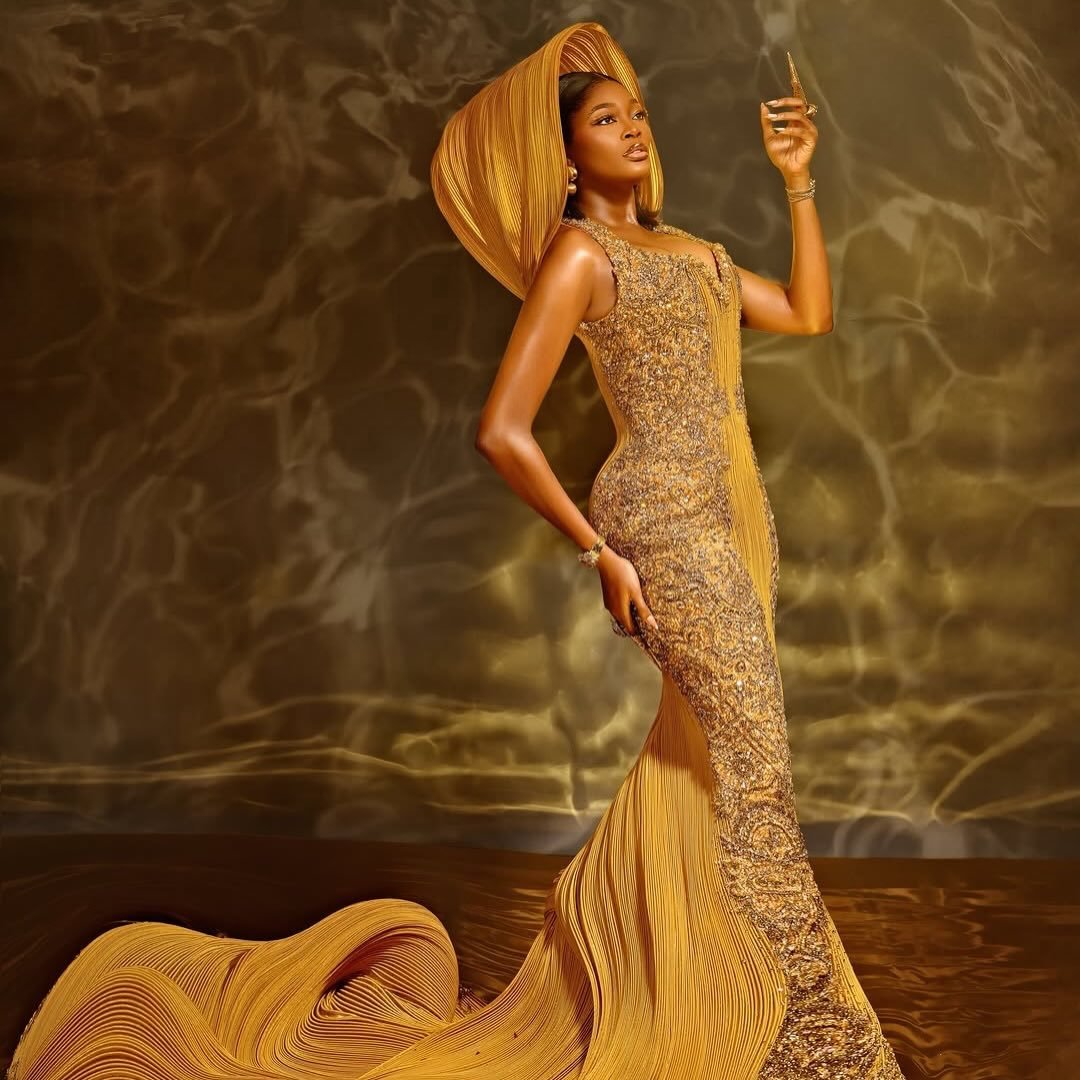
Kiekie arrived in a dramatic golden Clasikqdiane ensemble worthy of the occasion after her film Gingerr secured nine nominations. The fitted mermaid silhouette, sparkling embellishments, oversized regal headpiece, and flowing pleats transformed her into a walking monument of glamour and theatrical elegance.
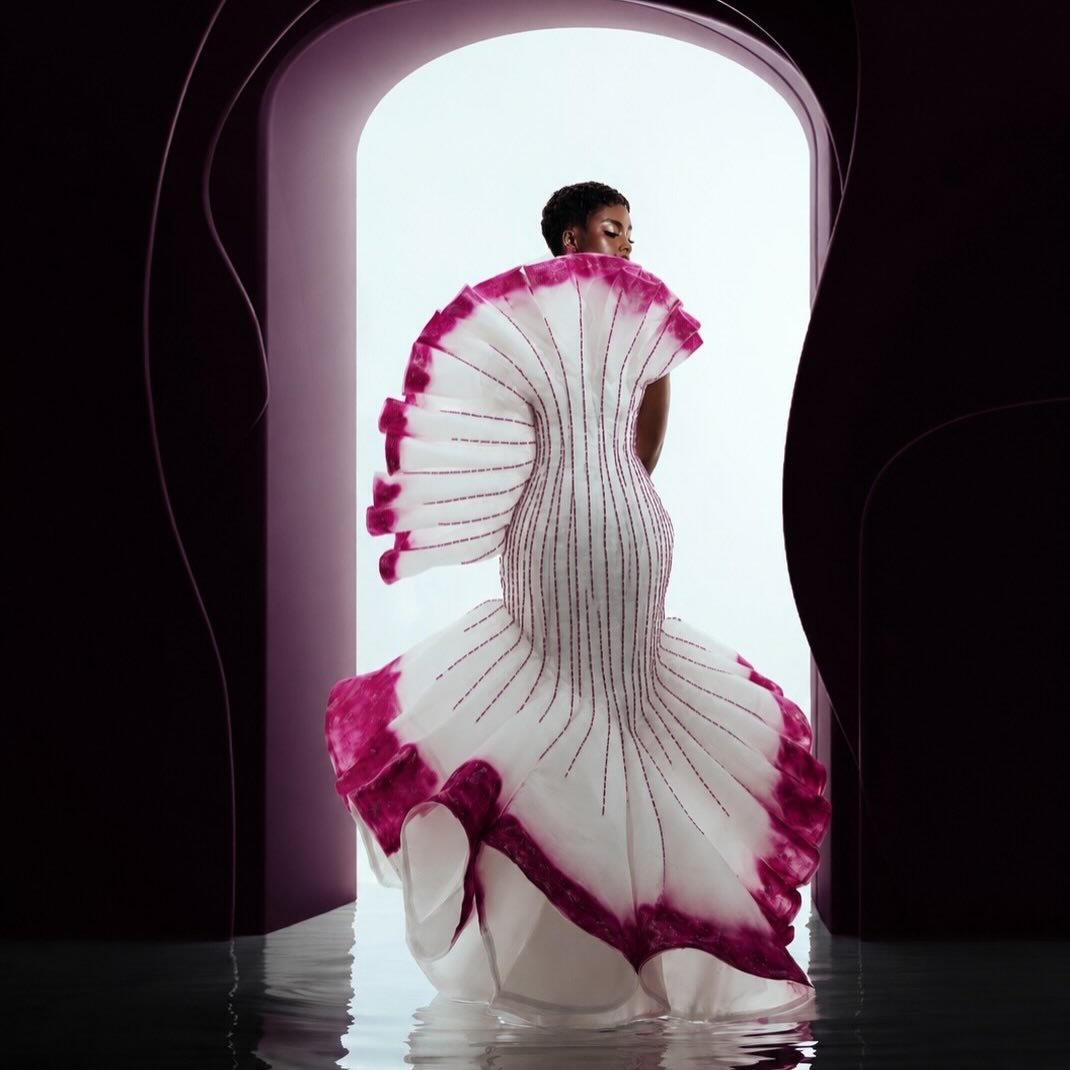
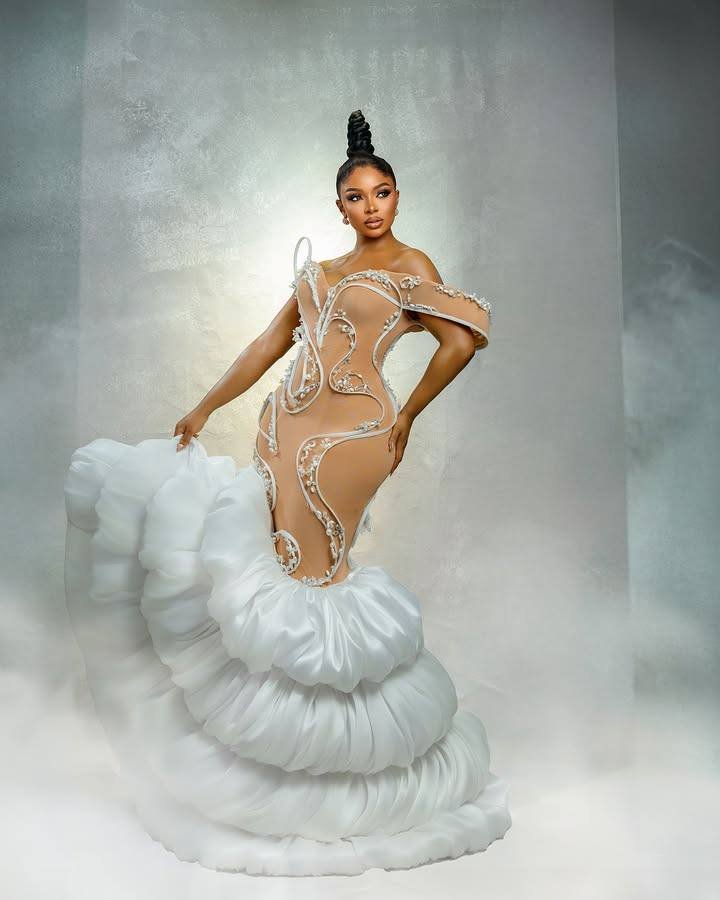
Then came Lydia Lawrence-Nze, whose architectural masterpiece by Maya and Stitches became one of the most visually unforgettable creations of the entire night.
The sculptural white gown featured massive, pleated fan structures radiating outward like butterfly wings touched with magenta watercolor edges. From certain angles, the dress no longer looked wearable. It looked airborne.
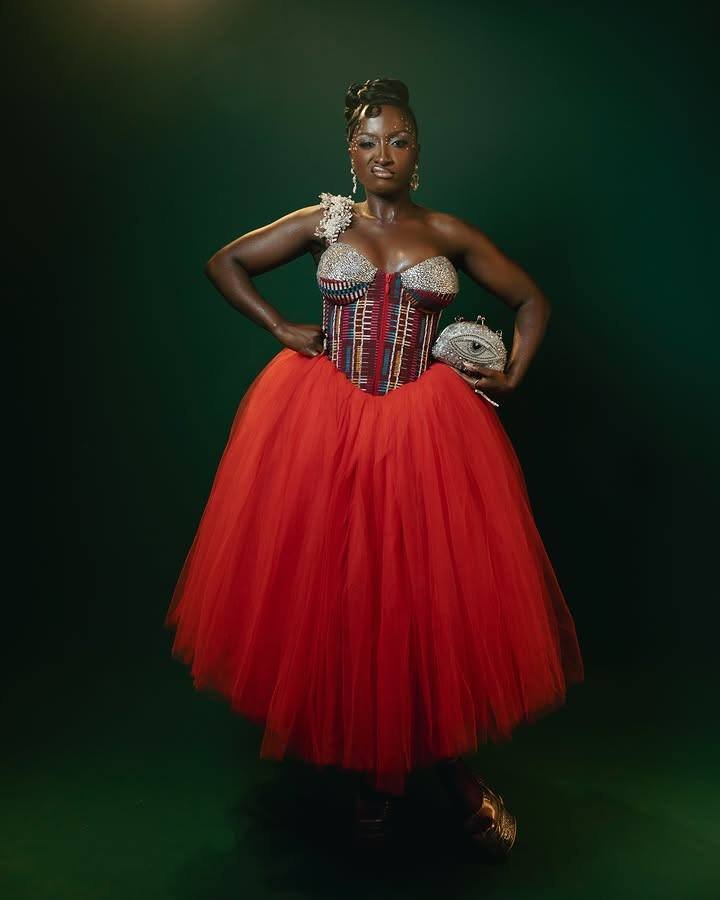
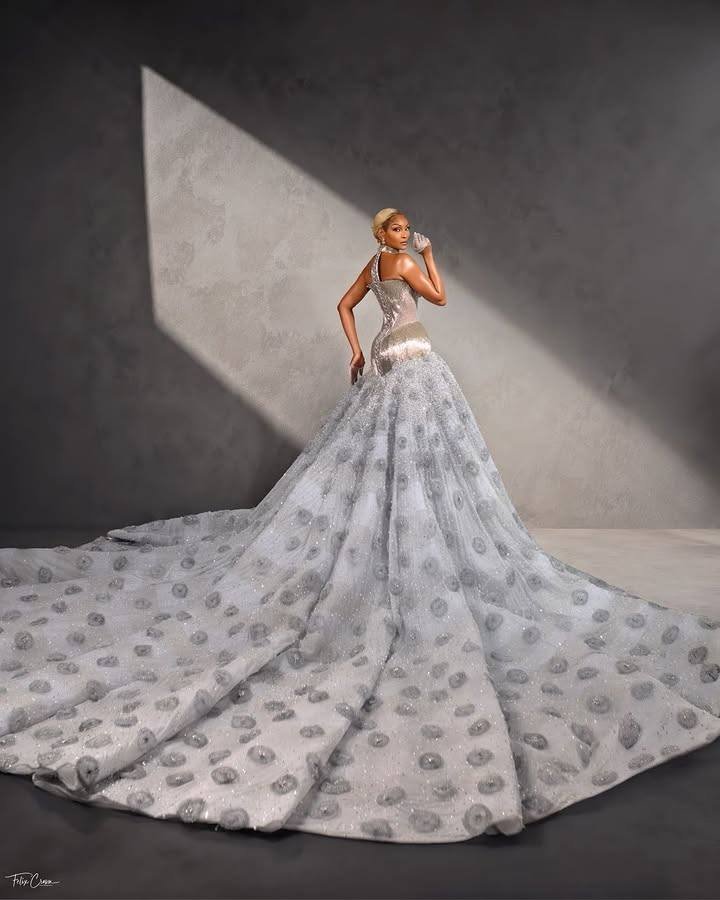
Osas Ighodaro once again reminded everyone why her AMVCA appearances are always anticipated. Her Veekee James silver corset gown drenched in stones and crystals delivered classic red carpet glamour while still maintaining enough sculptural detail to command attention instantly.
Meanwhile, Monica Friday used fashion politically. Her purple ball gown embroidered with the flags of seven countries, including Iran, served as a tribute to what she described as “a bleeding world” and an appeal for peace.
That was another recurring theme throughout AMVCA 2026. Fashion with message. Fashion with emotional intention.
Why Social Media Could Not Look Away
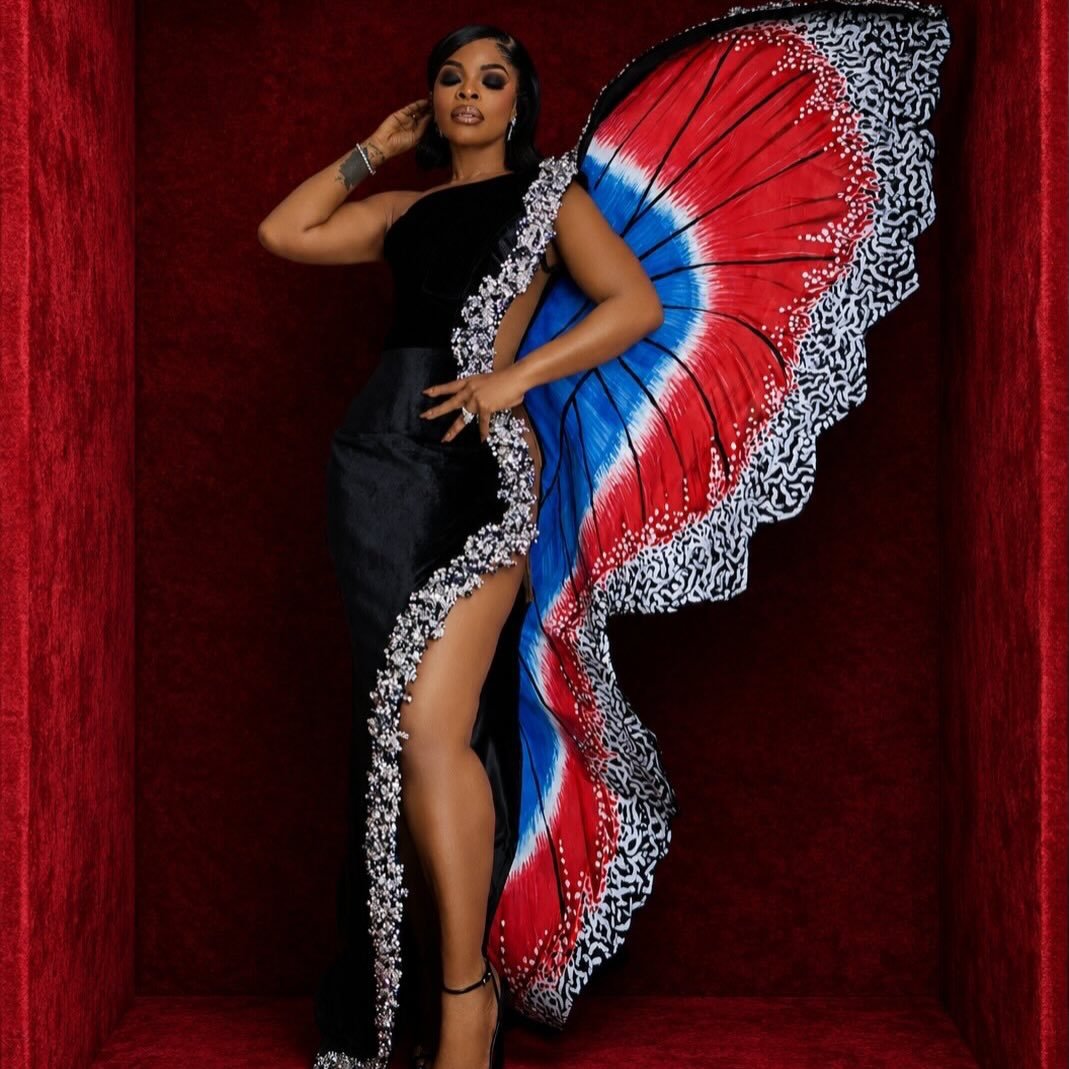
The reason these outfits exploded online was simple. They disrupted visual expectation. The butterfly silhouettes, the cathedral structures.
The oversized beadwork. The metallic sculptural fantasies.The warrior king aesthetics. The ancestral symbolism.
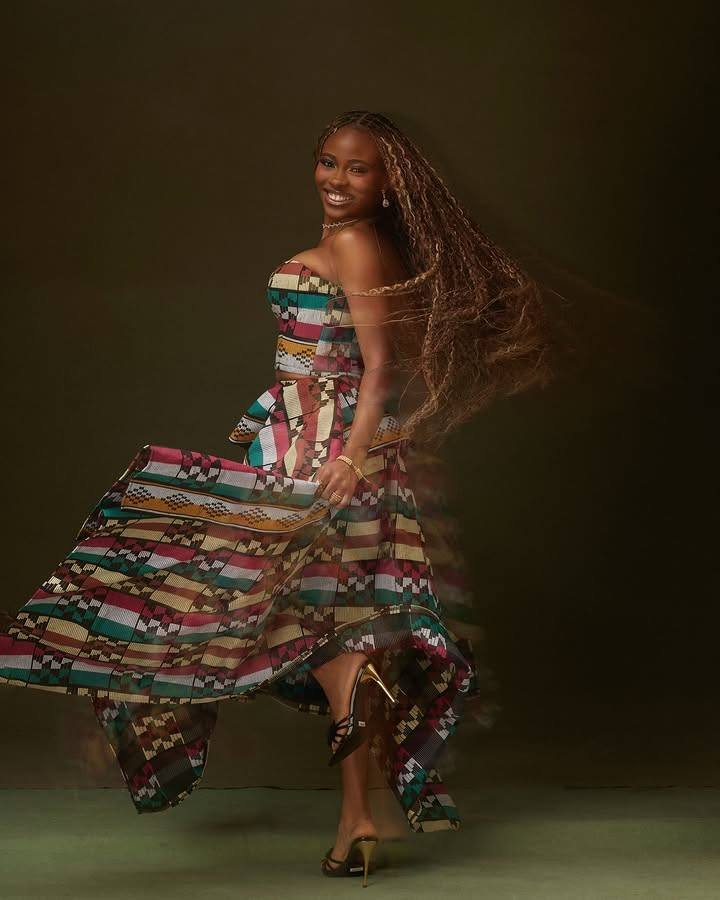
These outfits were impossible to ignore even in still photographs. That is the language of installation art. Real installation pieces command emotional attention before people even fully understand what they mean. And that is exactly what AMVCA 2026 achieved.
People were no longer reacting to beauty alone. They were reacting to imagination.
Nigerian Fashion Is Quietly Building A Global Language
One of the most beautiful things about the 2026 AMVCA was how deeply African identity remained present even inside the most futuristic designs. Nothing felt disconnected from home.
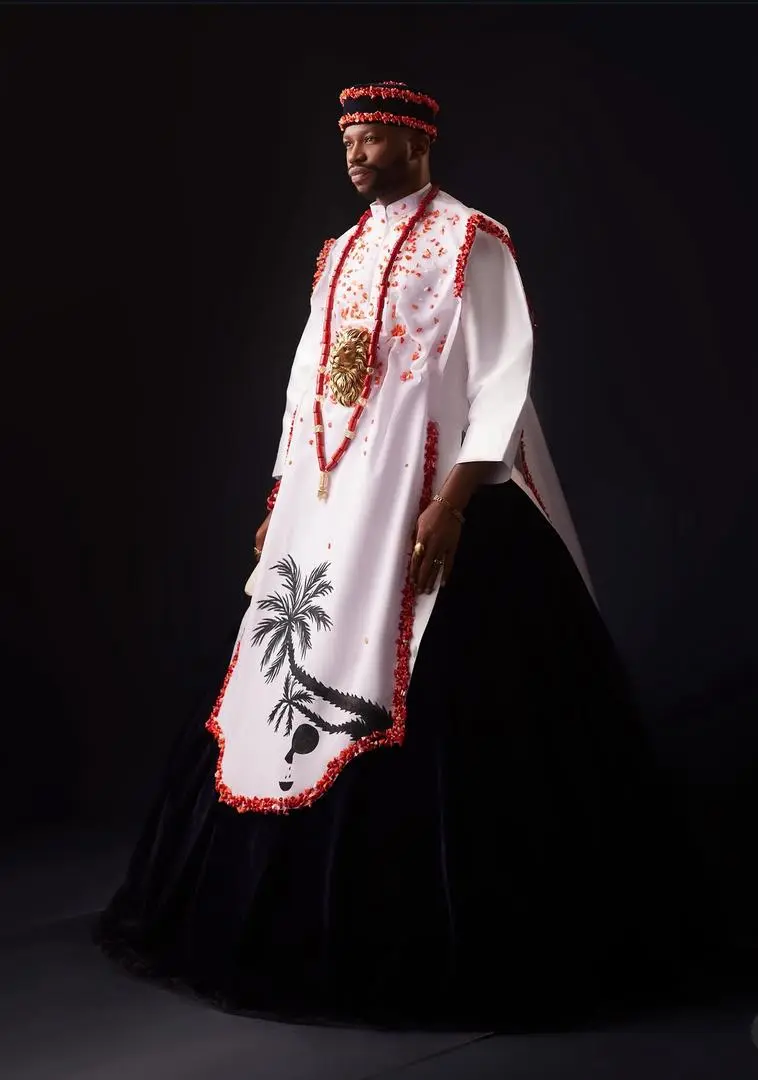
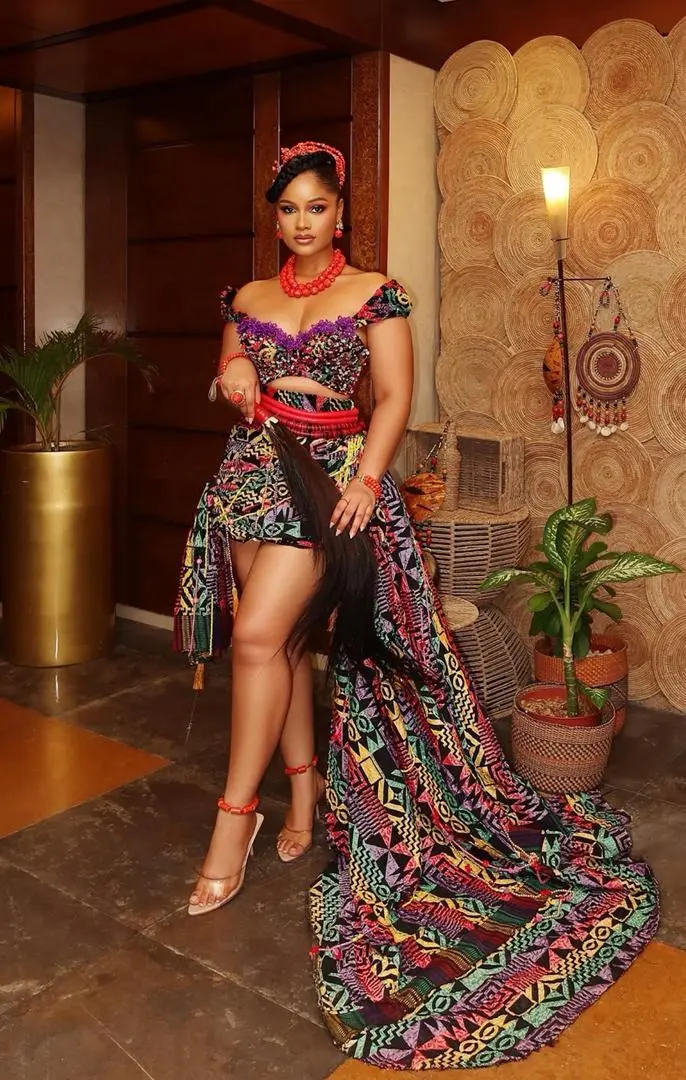
Even the most experimental outfits still carried African emotional texture through beadwork, ceremonial styling, tribal references, traditional silhouettes, staffs, ancestral symbolism, coral detailing, and cultural storytelling.
That fusion is what makes Nigerian fashion incredibly dangerous globally right now. Because many industries can create luxury. But very few can create luxury with soul. Soul was everywhere at AMVCA 2026.
You could feel it in the fabrics, in the posture, in the energy behind every entrance. The fashion did not feel empty. It felt alive.
Years from now, people may forget certain award categories. They may forget some acceptance speeches. They may even forget some viral interviews. But they will remember the images. They will remember Nana Akua Addo looking like Gothic cathedral architecture brought to life. They will remember Queen Mercy Atang arriving in wearable marketing art made from bread. Tobi Bakre looking like Yoruba royalty. Chioma Ikokwu standing inside molten gold fantasy. They will remember the butterfly silhouettes, warrior kings, sculptural gowns, ancestral symbolism, and cinematic tailoring. These celebrities became living canvases. And for one unforgettable night in Lagos, fashion stopped behaving like clothing. It became art people could not stop staring at.

Disclaimer: The images used in this publication were sourced from various photographers, media platforms, and public event coverage related to AMVCA 2026. Desauce Magazine does not claim ownership of these photographs unless otherwise stated. Full credit remains with the original photographers, creators, and respective copyright owners. We sincerely acknowledge and appreciate the creative work behind every captured moment.
MORE ARTICLES:
While Nollywood Changed, Genevieve Nnaji Became a Myth
Genevieve Nnaji Returns To Acting In BBC Thriller Wahala After Years Away From The Screen
Alexx Ekubo’s Death Has Sparked A Conversation Nollywood Can No Longer Avoid

Desauce Magazine is more than a blog, it is a cultural journal capturing the rhythm of Nigeria. From music and film to lifestyle and social issues, we tell stories that reflect the energy, struggles, and brilliance of our people.