



Asake’s M$NEY Is Coming, Why This Album Might Change Everything

- April 25, 2026
Asake recently dropped a hint that his next album, M$NEY, will be landing on May 1, 2026. And just like that, the mood shifted.
Because this isn’t coming off a quiet run. This is Asake stepping back into the spotlight after three albums that didn’t just perform well, they dominated conversations, owned charts, and turned everyday listeners into loyalists.

So yes, the anticipation is high, but even that feels like an understatement.
You can sense it everywhere, from late night drives where his songs still refuse to skip, to random debates about whether he has already done enough to call himself one of the most consistent artists of his generation.
Now the question is no longer if the album will hit. It’s how far he’s about to push things this time.
ALSO READ:
Why Asake Is Still Not Married
Wizkid and Asake’s New EP Reveals the Power of Calm Chemistry Over Loud Collaboration
Wizkid and Asake’s New Era, Why Their Joint EP Feels Bigger Than Just Music
Wizkid and Asake’s REAL Vol. 1 Could Be the Most Important December EP in Nigerian Music This Year
Mr. Money with the vibe (2022): The Arrival of Chaos That Somehow Made Sense

This debut was a cultural reset. Introducing Asake into an already dominated Afrobeats market, one would have taught he’d flow with the status quo. However, from the first listen, you could tell Asake wasn’t trying to fit into Afrobeats, he was bending it. The fusion of Fuji cadence, street-hop energy, and Amapiano log drums created something raw but oddly polished. Tracks didn’t feel overly engineered, they felt lived in.
There was a kind of beautiful disorder in the sequencing. Loud drums, chant-like hooks, Yoruba-laced delivery, it felt like Lagos streets had been compressed into sound.
The album stood out as its Fuji influence wasn’t cosmetic, it was foundational. Hook writing was almost hypnotic, repetitive but addictive. And its energy over perfection somehow worked every time.
Mr. Money with the vibe went on to dominate Nigerian charts for months. It had multiple records on Turntable Charts, massive global streaming numbers, especially on Spotify and established Asake as Olamide’s most explosive protege under YBNL Nation.
This era was loud. Bright colors, patchwork fits, experimental silhouettes. It matched the music, chaotic but intentional. You could tell he was still discovering how he wanted to be seen.
Work of Art (2023): The Refinement Phase

If the debut was chaos, Work of Art was control.
Here, Asake didn’t abandon his core sound, he tightened it. The production felt cleaner, more intentional. You could hear more breathing space between instruments, more confidence in delivery.
He started playing with structure, intros became more cinematic, transitions smoother, features more deliberate.
The standout on this album was, better song arrangement and pacing, stronger global appeal without losing street identity and the introduction of more melodic restraint
The album helped cement Asake as one of the hottest afrobeats acts. This aided a sold out the O2 Arena event, a major milestone for any African artist. It also gave him strong international chart presence and continuous streaming dominance across DSPs.
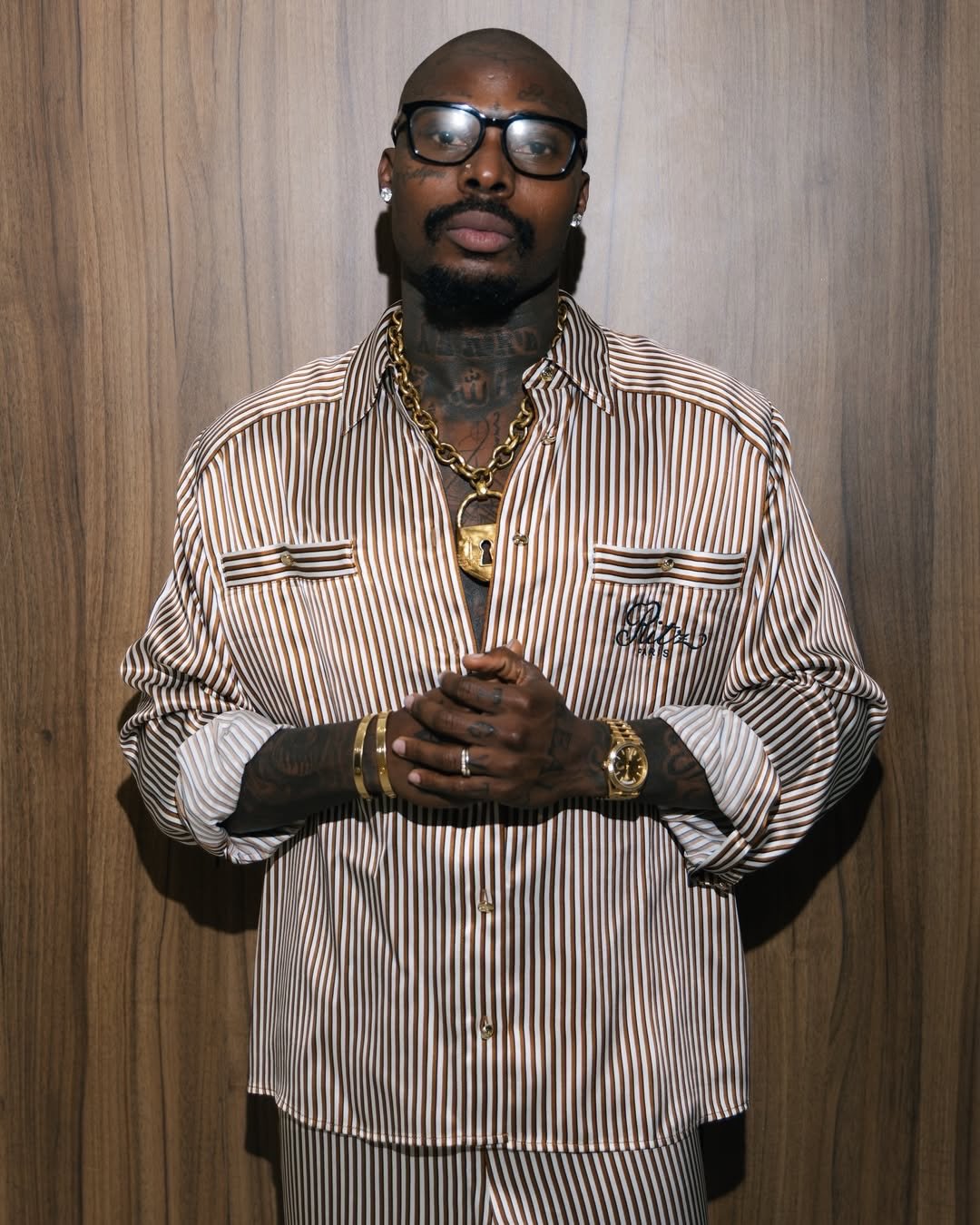
This is where the shift happened. The outfits became more structured, darker palettes, more artistic direction. You could see influence from high fashion creeping in. Less street chaos, more curated persona.


Davido Shines at Coachella 2026 with Electrifying Debut Performance
Ojuelegba Hit Different When You Were Broke… Does It Still Feel the Same Now?
Omah Lay Clarity of Mind review
AYRA STARR’S NEW SOUND: GROWTH OR DISCONNECT?

Desauce Magazine is more than a blog, it is a cultural journal capturing the rhythm of Nigeria. From music and film to lifestyle and social issues, we tell stories that reflect the energy, struggles, and brilliance of our people.