



Zurich’s Rietberg Museum Returns 11 Benin Bronzes to Nigeria

- March 22, 2026
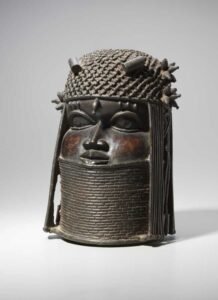 Zurich’s Rietberg Museum Returns 11 Benin Bronzes to Nigeria
Two historic objects will be repatriated this summer
Nine items remain in Switzerland as permanent loans
Part of wider European movement to restore looted Benin artifacts
Benin Initiative Switzerland identifies 55 objects linked to 1897 looting
The Rietberg Museum in Zurich has announced the transfer of 11 Benin Bronzes to the Nigerian government, represented by the National Commission for Museums and Monuments. This step is part of a broader effort among European institutions to restore ownership of cultural treasures looted during the 1897 British raid on the Kingdom of Benin, now present-day Nigeria.

ALSO READ:
From Loot to Legacy: The Benin Bronzes Finally Return to Nigeria
Reviving Nigeria’s National Culture Policy After 37 Years: Can Art Finally Pay the Artist?
Key Objects to Be Returned
Among the objects, two are of exceptional historical significance. A commemorative bronze head from around 1850, representing the ancestor of a chief, would have originally been placed in the king’s ancestral shrine. Looted during the 1897 raid, it eventually became part of German-Swiss banker Eduard von der Heydt’s collection before reaching the Rietberg Museum. An 18th-century ivory tusk, mounted on a bronze memorial head, tells the story of a 17th- or 18th-century Oba. After passing through multiple British collectors and a Sotheby’s London sale in 1962, it arrived at the Rietberg in 1993. Both will be repatriated to Nigeria likely this summer.
Objects Remaining in Switzerland
The remaining nine objects, while ownership will officially transfer to Nigeria, will remain in Zurich as permanent loans. One of these is a 17th-century pendant bronze mask, also looted in 1897, which passed through European and American collectors before returning to Europe in 2009. “The Nigerian side was very interested in the idea that the history and the artistry of Benin would still be told in Switzerland,” said Rietberg director Annette Bhagwati.
Historical Context
The Rietberg Museum, dating back to the early 1950s, originated from van der Heydt’s collection amassed in the 1920s and 30s. Though he valued the objects as art, among his holdings were Benin artifacts taken during the 1897 British invasion of Benin City. The repatriation aligns the museum with other European institutions, including Berlin’s Ethnologisches Museum and Holland’s Wereldmuseum Leiden, in returning looted works to Nigeria.
The Benin Initiative Switzerland
The transfer is part of the Benin Initiative Switzerland, launched in 2021 to trace Swiss-held Benin artifacts connected to the 1897 raid. The initiative identified 55 objects with probable links to the historical looting, establishing a framework for future restitution efforts and international collaboration.
MORE ARTICLES:
When the Grid Goes Dark: How Nigerians Survive a Broken Power System
The Digital Rebellion: How Nigerian Youth Are Using Social Media to Rewrite Politics
From Zero to Viral: Why Bad Behaviour Pays Better Than Brilliance in Nigeria
What Are the Most Popular African Languages?

Desauce Magazine is more than a blog, it is a cultural journal capturing the rhythm of Nigeria. From music and film to lifestyle and social issues, we tell stories that reflect the energy, struggles, and brilliance of our people.