



Baruch Hashem Adonai Meaning, The Powerful Worship Chant by Dunsin Oyekan

- March 8, 2026
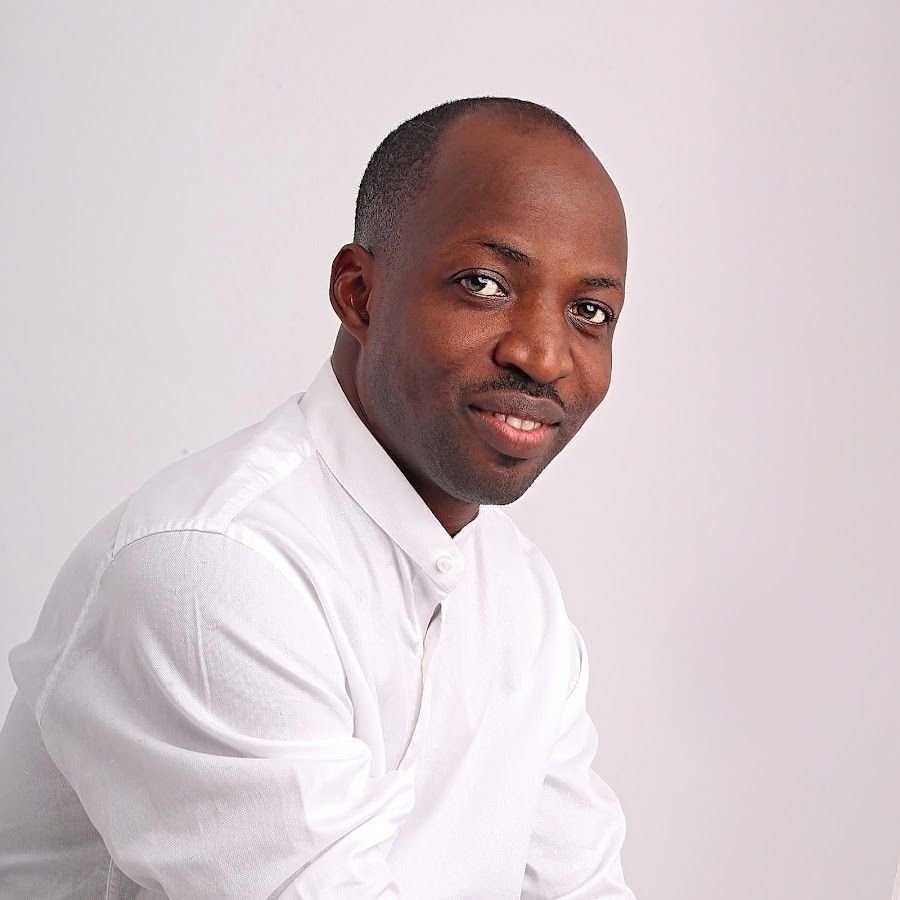
There are songs that pull you somewhere deeper. The kind that starts softly, almost quietly, then before you realize, your spirit is already standing.

That is the strange beauty of Baruch Hashem Adonai, the intense worship chant released by Dunsin Oyekan featuring revival minister Theophilus Sunday.
On the surface it sounds simple. One line repeated again and again. Yet inside that repetition sits something ancient, something emotional, something that feels bigger than music.
Some listeners call it a song. Many call it a revival cry. And honestly, they might both be right.
The first thing you notice about Baruch Hashem Adonai is how unusual it is. No complex verses. No radio friendly structure. No polished pop arrangement.
Instead, the chant revolves around one declaration, “Baruch Hashem Adonai.” Over and over again.
Baruch Hashem is a deep Hebrew word that means, Blessed be the Name. Adonai means Lord. Together the declaration becomes:
“Blessed be the name of the Lord.”
ALSO READ:
Best Nigerian Gospel Songs to Chill With This Sunday
Mercy Chinwo’s New Music Video “When You Say A Thing” Sparks Hope with a Stirring Visual Tale
For centuries this expression has echoed through Jewish prayers and scripture readings.
You hear similar language across the Bible. In Psalm 113:2, the scripture declares: “Blessed be the name of the Lord from this time forth and forevermore.”
And even in hardship, the declaration remains. In Job 1:21, the famous words appear again. “The Lord gave, and the Lord has taken away. Blessed be the name of the Lord.”
So when the chant repeats that phrase, it is not inventing new worship language. It is reviving one of the oldest declarations of faith ever recorded.
Interestingly, Baruch Hashem Adonai did not begin as a studio composition. The sound reportedly emerged during a prayer gathering connected to a worship meeting led by Dunsin Oyekan. What started as spontaneous worship slowly became a collective chant.
At first listen, the music sounds minimal. But underneath the surface lies careful musical architecture. The session opens with soft ambient pads and atmospheric keys. The sound feels spacious, almost reflective, giving the listener time to settle emotionally.
Then the chant begins. Slowly, layer by layer, instruments start to appear.
A gentle piano pattern. Subtle bass movement. Soft percussion textures. Background vocals responding to the chant.
Music producers call this dynamic layering, where the sound gradually expands instead of exploding all at once.
The effect is powerful.
Without realizing it, the listener moves from quiet reflection into full emotional intensity.
Modern music often tries to avoid repetition. Worship traditions, however, understand something different.
Repetition creates focus. When the same phrase is sung again and again, the mind slowly stops analyzing the words. Instead, the heart begins to absorb them. The Bible itself uses this technique. In Psalm 136, a single phrase repeats throughout the chapter.
“For His mercy endures forever.” That repetition turns scripture into meditation.
The same principle is at work in Baruch Hashem Adonai. The chant moves beyond lyrics and becomes a spiritual rhythm.
The collaboration between Dunsin Oyekan and Theophilus Sunday is also significant.
Both ministers approach worship differently. Dunsin Oyekan is known for deep musical worship sessions driven by instruments and scripture declarations. His worship is built to draw listeners into God’s presence rather than impress them with musical complexity. It is the kind of sound that grows slowly, like a fire catching oxygen, until the whole room feels it. In several worship gatherings Dunsin has explained this philosophy clearly. As he once told a congregation, worship should never be treated like performance because “we are not here to sing songs, we are here to host His presence.”
Theophilus Sunday, on the other hand, carries a rawer prophetic expression, filled with chants, prayer, and spontaneous spiritual language.
When those two worlds collide, something unusual happens. Music meets prayer. Structure meets spontaneity. Sound becomes atmosphere.
One of the most striking moments in the chant comes when the declaration widens.
Voices begin to mention continents and nations. Africa, Asia, Europe, America.
The chant is no longer just personal worship. It becomes a global invitation to praise.
And perhaps that is the real heartbeat of the song. Not performance. Not popularity. Just a simple declaration rising from different corners of the earth.

Desauce Magazine is more than a blog, it is a cultural journal capturing the rhythm of Nigeria. From music and film to lifestyle and social issues, we tell stories that reflect the energy, struggles, and brilliance of our people.