



What the Grammys Actually Reward Versus What Fans Think They Reward
- Desauce Magazine

- February 5, 2026
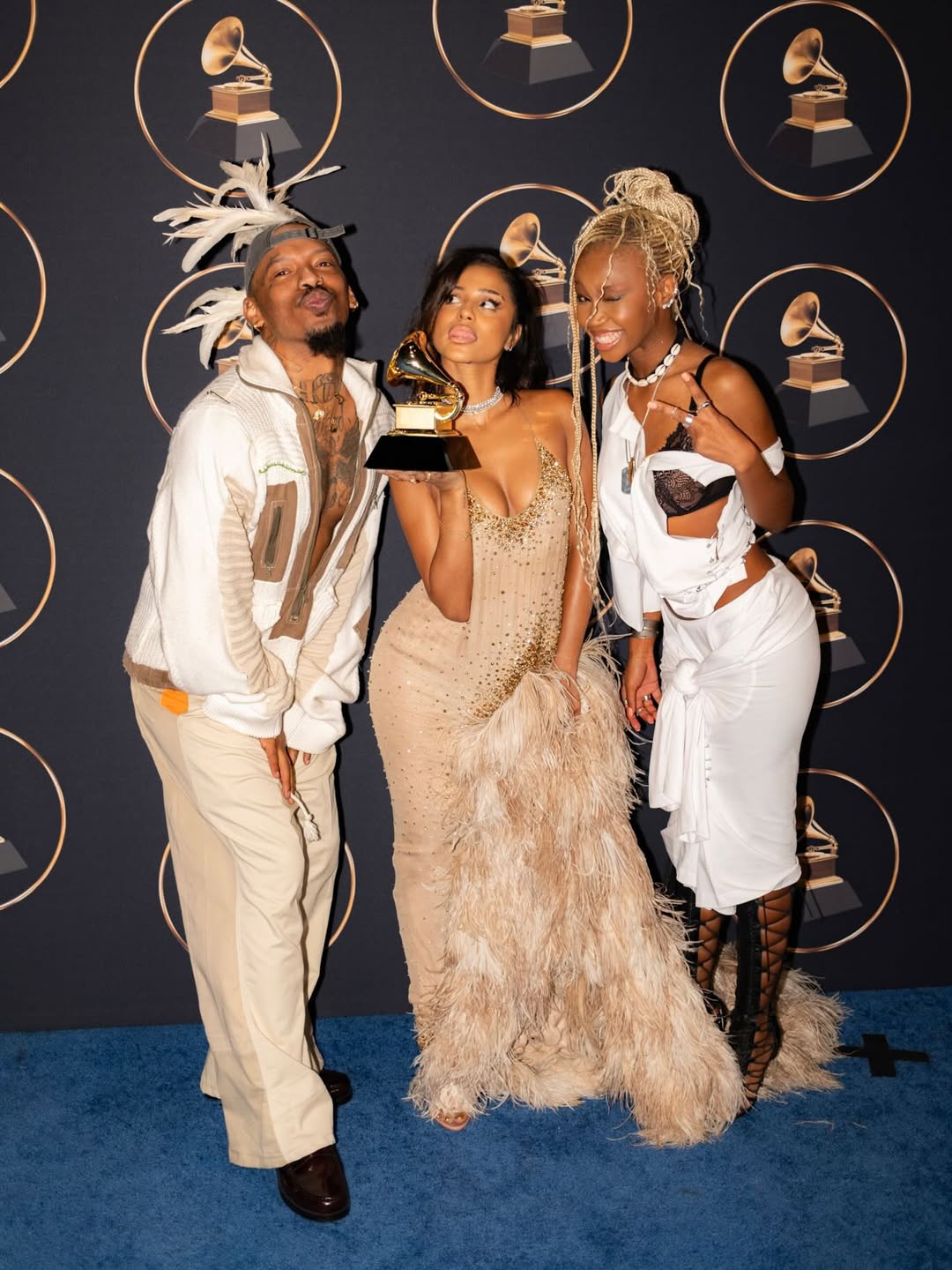
The Grammys have come and gone, but the silence they were supposed to leave behind never arrived. Instead, the internet feels like a room where the music stopped yet the echoes refused to die. Everywhere you turn, the same question lingers in the air, heavy, emotional, almost accusatory, how did Nigerian artists dominate the global conversation and still walk away without the victories many believed were certain?

It is an uncomfortable question because it carries more than curiosity. It carries pride. It carries expectation. It carries that deeply African instinct to protect our own when the world is watching.
From sold out arenas in Europe to undeniable streaming numbers, from cultural influence to genre defining collaborations, the accomplishments were visible. Tangible. Loud. So when the results did not mirror that dominance, confusion quickly matured into outrage.
Timelines swelled with certainty. Everyone suddenly sounded like an academy insider. Hot takes travelled faster than facts. And beneath all that digital thunder sat a quiet truth most people were not pausing long enough to consider, we were measuring the Grammys with the wrong scale.
Because fans often reward impact. The Grammys, however, reward intention, craftsmanship, voting politics, and industry interpretation.
Those are not always the same language.
This is not a defense of the Recording Academy. Far from it. Award institutions are not sacred, and they are certainly not beyond critique. But before frustration hardens into dismissal, there is value in understanding the architecture behind the decision making.
Clarity changes the temperature of every conversation.
Until we grasp what the Grammys are actually designed to recognize, these moments will continue to feel like heartbreak when, to those who understand the machinery, they were closer to inevitabilities.
And yes, this is where this conversation should truly begin, not from outrage, but from understanding.
ALSO READ:
Why Tyla Won the Grammy, And Why the Result Was Not an Accident
Nigerian Grammy Milestones, A Year by Year Timeline of How Afrobeats Earned Global Recognition
From Lagos to the Grammys, How Nigerians Took Afrobeats From Local Sound to Global Standard
2026 Grammys Prediction: Can African Artists Finally Control the Narrative?
The First Misunderstanding, The Grammys Are Not a Popularity Contest
This is the most important truth fans struggle with. The Grammys do not reward the biggest song on the street. They do not reward the most streamed record. They do not reward the artist with the loudest fan base. They reward peer evaluation.
Grammy winners are decided by members of the Recording Academy, producers, songwriters, engineers, composers, and industry professionals across different genres. These are people voting based on composition, performance, production quality, sonic direction, and cultural contribution within a defined eligibility period.
This is why fan sentiment and Grammy outcomes often clash. Fans vote with emotion. The Academy votes with criteria.
What the Grammys Actually Look for When Rewarding Music
At its core, the Grammys prioritize three major things, whether they say it loudly or not.
Musical Craft
This includes songwriting structure, vocal delivery, arrangement, and production depth. A song can be simple and still be musically rich. Complexity is not noise. It is intention.
Sonic Direction
The Grammys have always rewarded records that push sound forward. This does not mean experimental chaos. It means evolution. A fresh blend. A clear identity. A sound that feels intentional, not recycled.
Cultural Context
This is where many fans underestimate the Academy. They pay attention to how a sound travels, how it introduces a culture, and how it expands a genre’s global language.
This is crucial to understanding the African categories.
The Afrobeats Label, A Necessary Shortcut with Serious Consequences
Afrobeats has become both a blessing and a problem.
Globally, Afrobeats works as an umbrella term. It helps Western institutions categorize African music quickly. It is searchable, marketable and digestible.
But culturally, it is inaccurate. African music is not one genre. It never has been. We have Afrobeats, Amapiano, Highlife. We have Afro soul, Afro pop, Alte. We have fusions that pull from gospel, house, hip hop, and R and B and many other sounds.
When everything African is labeled Afrobeats, nuance disappears.
Why This Confuses Fans Every Grammy Season
Fans hear “Best African Music Performance” and subconsciously translate it to “Best Afrobeats Song of the Year.” So, expectations are formed early.
People expect traditional Afrobeats artists to dominate the category. They expect familiar rhythms, familiar names, familiar formulas. When an Amapiano leaning record or a genre bending song wins, outrage follows.
But here is the uncomfortable truth. The category is not about ownership. It is about representation and performance.
The Academy is not asking, who is the king of Afrobeats. They are asking, which African record made the most compelling musical statement within that year. Those are very different questions.
Why Amapiano And Genre Blending Fit Grammy Logic Perfectly
Amapiano and genre fluid African sounds align naturally with Grammy values.
They emphasize groove and arrangement. They prioritize atmosphere and musical layering. They travel well across borders without heavy translation.
From an Academy perspective, these records feel expansive. They feel intentional. They feel globally legible while still rooted.
This does not make them superior to traditional Afrobeats. It makes them strategically compatible with how the Grammys listen.
The Hard Truth Fans Don’t Like Hearing
The Grammys are not here to validate street dominance. They are not here to settle fan debates. They are not here to crown cultural kings. They are here to archive music history as interpreted by industry professionals, not audiences.
Once fans accept this, the disappointment softens. The conversation matures.
What This Means For African Music Going Forward
The solution is not outrage. The solution is clarity.
African music needs better genre education globally. Fans need to understand categories before forming expectations.
Artists need freedom to evolve without being boxed into one sound to feel “deserving.”
The Afrobeats label opened the door. But now, it is time to refine the rooms inside the house.
The Real Continuation Of The February Conversation
Just like trends, Grammy outrage often comes from borrowed understanding.
People repeat opinions without studying the system. They defend expectations that were never promised. And in the noise, real progress gets overlooked.
Understanding how the Grammys work does not mean agreeing with them. It means arguing from knowledge, not frustration.
And in a year already moving fast, that kind of clarity matters more than ever.
FAQs
Why didn’t Nigerian artists win Grammys this year?
Grammy winners are selected by Recording Academy voters who prioritize musical craftsmanship, production quality, and artistic intention over popularity metrics like streams or fan momentum.
Do the Grammys reward popularity?
No. While successful songs gain visibility, Grammy decisions are made through peer evaluation by industry professionals rather than public votes.
What is the Best African Music Performance category?
It is a Grammy category created to recognize outstanding African recordings, regardless of whether they fall strictly under Afrobeats, Amapiano, Afro pop, or other regional sounds.
MORE ARTICLES:
Wizkid and Asake’s New EP Reveals the Power of Calm Chemistry Over Loud Collaboration
Jogodo Didn’t Just Drop, It Shifted the Ground Beneath Nigerian Music
Seun Kuti and Wizkid’s Banter, A Clash of Ideology in Nigerian Music
Ayra Starr Set to Drop a New Album in 2026 as Fans Anticipate Her Next Era
Seyi Vibez and Omah Lay Are Tapping Into Afrobeats’ New Emotional Economy

Desauce Magazine is more than a blog, it is a cultural journal capturing the rhythm of Nigeria. From music and film to lifestyle and social issues, we tell stories that reflect the energy, struggles, and brilliance of our people.
About Author / Desauce Magazine
Desauce Magazine is more than a blog, it is a cultural journal capturing the rhythm of Nigeria. From music and film to lifestyle and social issues, we tell stories that reflect the energy, struggles, and brilliance of our people.