



Nigerian Grammy Milestones, A Year by Year Timeline of How Afrobeats Earned Global Recognition

- January 31, 2026
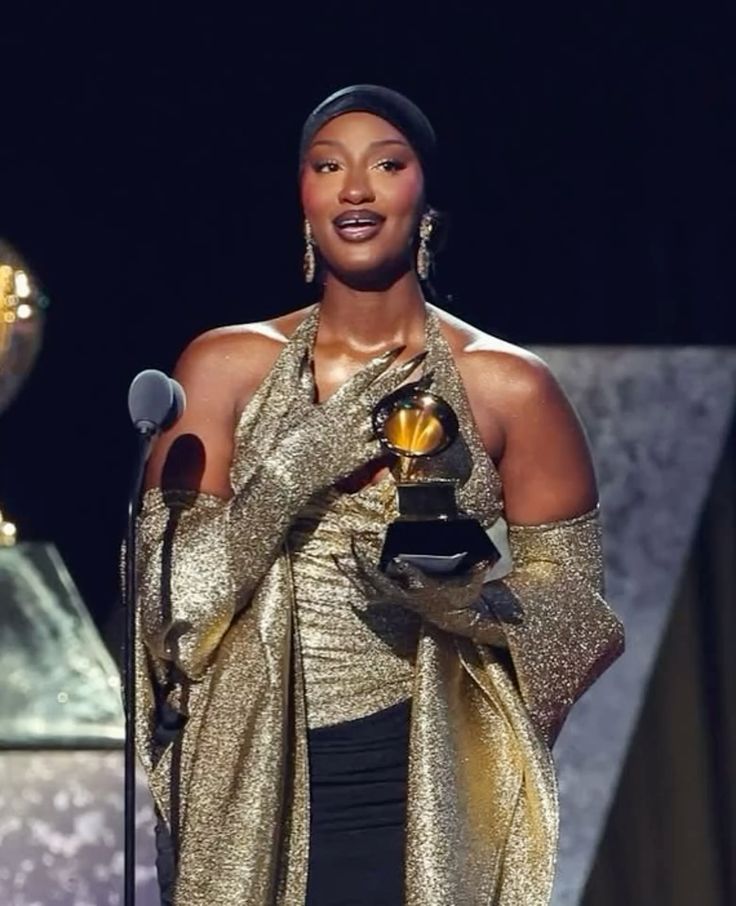
The Nigerian journey to the Grammys did not happen overnight. It was built in stages, through rejection, persistence, cultural dominance, and finally respect. This timeline shows how Nigerian artists moved from the margins of Grammy conversations to the center of global music recognition.

2019, The Year Nigerian Music Forced the Global Conversation
The modern Grammy conversation around Nigerian music did not begin with an award, it began with pressure.
In 2019, Nigerian artists were not winning Grammys yet, but they were impossible to ignore.
That year, global attention around Afrobeats intensified dramatically, driven by international touring, streaming dominance, and cultural visibility. Albums released in 2019, most notably African Giant by Burna Boy, reshaped how global audiences and institutions perceived Nigerian music.
While no Nigerian artist received a Grammy award in 2019, the impact was immediate. Conversations shifted. Afrocentric sounds moved closer to the center of global music discussions. Industry gatekeepers began to reassess what “world music” actually meant.
Importantly, this was also the period when renewed global conversations around Fela Anikulapo-Kuti intensified, not through awards, but through influence. Afrobeat’s political and musical legacy was being reexamined in light of Afrobeats’ global rise, reconnecting the present moment to its origins.
2019 did not deliver trophies, it delivered inevitability.
“Before Nigerian artists won Grammys, they made winning unavoidable.”
2020, Burna Boy Signals That Nigeria Is Back in the Room
Burna Boy received a Grammy nomination for African Giant in the Best World Music Album category.
Although he did not win that year, the message was clear. Nigerian music was no longer invisible. It was being reviewed, debated, and respected within the Academy.
This nomination marked the beginning of consistent Nigerian presence.
2021, Nigeria Records Its First Modern Grammy Wins
This year changed everything.
Burna Boy won Best Global Music Album for Twice As Tall, becoming the first Nigerian artist to win a Grammy in a global category under the modern Afrobeats era.
In the same ceremony, Wizkid won a Grammy through his feature on Beyoncé’s Brown Skin Girl, which won Best Music Video. Two Nigerian wins in one night shifted perception permanently.
“2021 was the year Nigeria stopped being nominated and started being counted.”
2022, Afrobeats Becomes a Global Expectation
By 2022, Nigerian nominations were no longer treated as surprises.
Burna Boy returned with multiple nominations. Wizkid’s global collaborations continued to place Nigerian sound at the center of pop culture conversations. Even without wins that year, Nigerian artists had achieved something crucial, normalisation.
The Grammys now expected Afrobeats to be present.
2023, Afrobeats Expands Its Global Footprint
This year confirmed that Nigerian music was not a phase.
Multiple Nigerian artists received nominations across global categories. Afrobeats continued to dominate tours, streaming charts, and collaborations worldwide.
Even without Nigerian wins, the cultural momentum remained strong. The Grammys were no longer asking if Afrobeats belonged, they were deciding how to categorize it properly.
ALSO READ:
From Lagos to the Grammys, How Nigerians Took Afrobeats From Local Sound to Global StandardV
Did Fela Win a Grammy? The True Story of Fela Kuti and His Grammy Lifetime Achievement Award
2026 Grammys Prediction: Can African Artists Finally Control the Narrative?
2024, The Grammys Create a Home for African Music
This was a structural milestone.
The Recording Academy introduced Best African Music Performance, a category created in response to the overwhelming global impact of African music, with Nigerians at the forefront.
Nigerian artists dominated nominations in the category, cementing their leadership within the African music ecosystem.
This was not tokenism. It was institutional adjustment.
“When a system creates space for you, it means you already outgrew its limits.”
2025, From Nominees to Global Representatives
By this point, Nigerian artists were no longer just nominees.
They were headliners at Grammy related events featured performers during Grammy week cultural ambassadors for African sound
Artists like Davido embodied this era, representing Afrobeats on Grammy platforms even without competitive wins.
Presence had evolved into prestige.
What This Timeline Really Shows
Nigeria’s Grammy journey reveals a clear pattern.
Legacy came first. Consistency followed. Wins validated impact. Structural change confirmed respect.
Afrobeats did not beg for recognition. It built an audience so large that recognition became unavoidable.
“The Grammys did not crown Afrobeats, the world did, the Grammys simply caught up.”
FAQs
Who was the first Nigerian artist to win a Grammy
Burna Boy became the first Nigerian artist to win a Grammy in the modern Afrobeats era in 2021, winning Best Global Music Album for Twice As Tall.
Has Wizkid won a Grammy
Yes. Wizkid won a Grammy in 2021 through his contribution to Beyoncé’s Brown Skin Girl, which won Best Music Video.
When did the Grammys create an African music category
The Grammys introduced the Best African Music Performance category in 2024, following the global dominance and commercial success of African music, particularly Afrobeats.
Have Nigerian artists performed on the Grammy stage
Yes. Nigerian artists have performed during official Grammy ceremonies and Grammy associated events, reflecting their elevated status from nominees to global representatives of African music.
Why are Nigerian artists now consistently nominated at the Grammys
Nigerian artists achieved consistent Grammy nominations due to massive global streaming numbers, sold out international tours, influential collaborations, and Afrobeats’ cultural dominance worldwide.
What does Nigeria’s Grammy timeline say about Afrobeats
The timeline shows that Afrobeats evolved from a regional sound into a global force, earning institutional respect through audience demand, cultural confidence, and sustained excellence.
Olamide Reigns London: A Night That Proved Street-Hop Still Owns the Throne
Tems Just Built Her Own Kingdom, and This EP Feels Like the Key
Weekend Visuals: New Sounds, New Stories
Tuface, Burna Boy and the Firestorm of the Big 3 Debate

Desauce Magazine is more than a blog, it is a cultural journal capturing the rhythm of Nigeria. From music and film to lifestyle and social issues, we tell stories that reflect the energy, struggles, and brilliance of our people.