



Culture Is Slowing Down in Nigeria, How a New Identity Is Quietly Taking Shape

- January 6, 2026
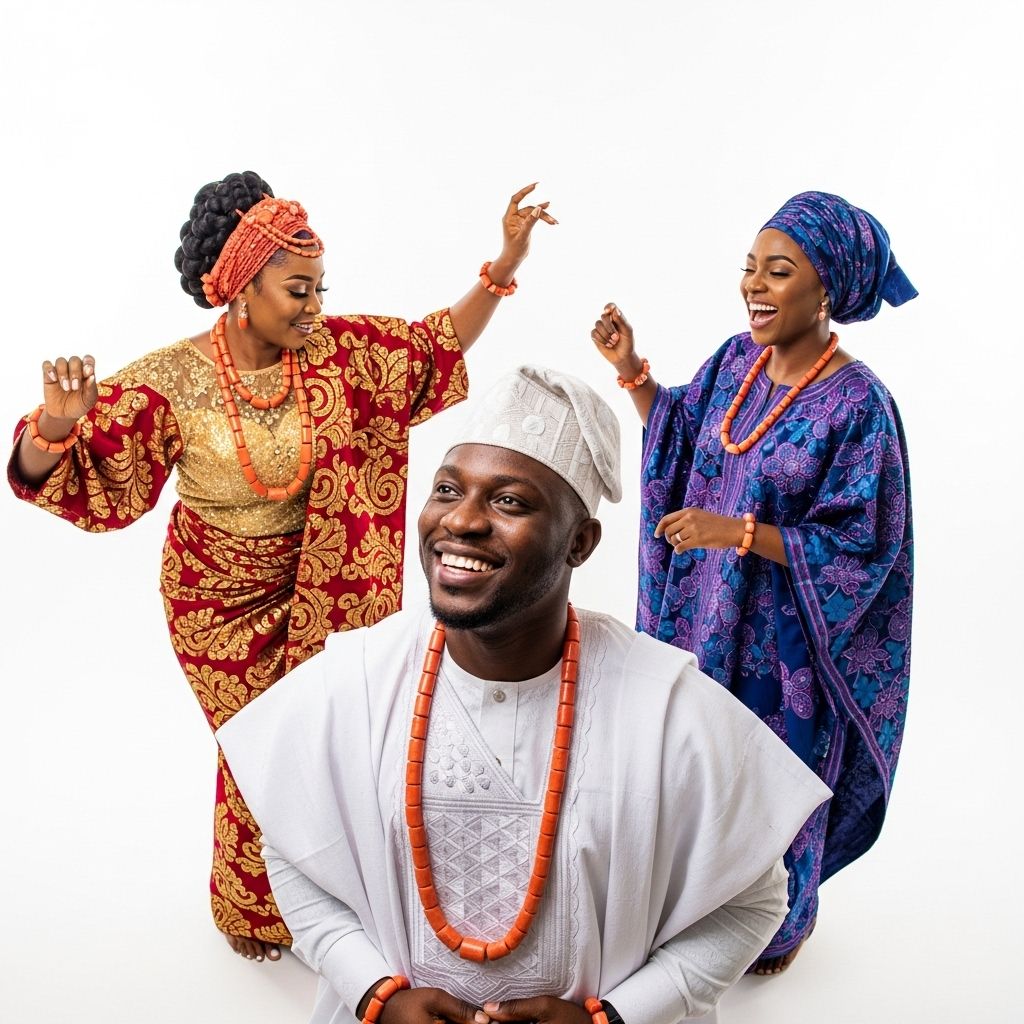
Nigeria has never been a blank slate. From the beginning, we were many people telling many stories.

Over 250 ethnic groups shaped how we understood life in Nigeria. Yoruba, Igbo, Hausa, Ijaw, Tiv, Ibibio, Nupe, Itsekiri, Ijaws and many more. Each came with its own rules, warnings, taboos, and sayings. Culture was taught early, reinforced daily, and rarely questioned.
What elders called wisdom, children were taught to accept as law.
Back then, culture moved slowly. It didn’t rush. It stayed. It settled into families like inheritance. You didn’t argue with it. As we say, what you meet on ground, you follow.
The Myths We Grew Up With
Many of us were raised on ideas that shaped our lives without ever asking if they still fit. That elders are always right, even when they are wrong. That suffering builds character, so endure everything quietly. That a man’s value is his ability to provide, nothing else. That a woman’s success is marriage, no matter the cost. That mental health is weakness, not illness. That respect means silence, not honesty.
These beliefs were not born out of wickedness. They were survival tools for another time. But culture, like clothes, must fit the body wearing it.
And the body changed.
ALSO READ:
Why Many Nigerians Are Rethinking Religion But Not Abandoning Faith
5 Games Every Nigerian Played as a Kid
Nigeria’s Future in 2026, Standing at the Edge of Uncertainty
When a Generation Started Asking “But Why?”
This generation did not wake up rebellious. It woke up exposed. School, internet, migration, and global conversations opened windows our parents never had. Young Nigerians started comparing notes. They saw other ways of living, working, loving, parenting, believing.
And they began to ask questions elders never prepared answers for. Why must I stay in a toxic marriage because of family name. Why must I respect abuse because it comes from an elder. Why must depression be prayed away instead of treated. Why must success look like suffering first.
As the saying goes, when the child grows teeth, he starts chewing meat. People began chewing these beliefs slowly, carefully, and culture could no longer move at its old pace.
Practical Ways Things Began to Change
This shift didn’t happen in theory. It happened in daily life. Marriage stopped being automatic. People began delaying, choosing partners intentionally, or opting out entirely. Work stopped being only about prestige. Fulfillment, balance, and mental health entered the conversation. Faith became personal. People questioned fear-based doctrines and demanded understanding, not just obedience. Respect became mutual. Younger voices started speaking up, not to insult elders, but to be heard.
Culture slowed because people stopped swallowing everything whole. They started tasting first.

Desauce Magazine is more than a blog, it is a cultural journal capturing the rhythm of Nigeria. From music and film to lifestyle and social issues, we tell stories that reflect the energy, struggles, and brilliance of our people.